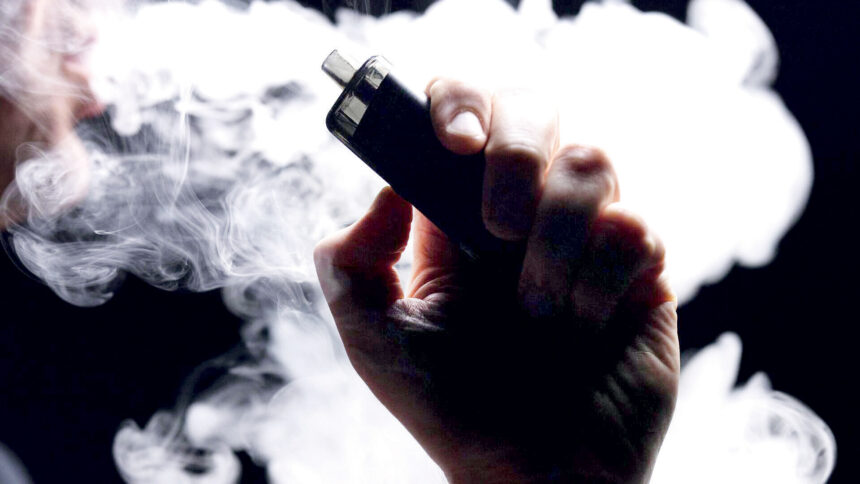
On World No Tobacco Day on Saturday, the World Health Organisation (WHO) called on governments to urgently ban all flavours in tobacco and nicotine products including cigarettes, pouches, hookahs and e-cigarettes.
This, WHO said, would protect youth from addiction and disease.
The agency states that flavours like menthol, bubble gum and cotton candy mask the harshness of tobacco and nicotine products, turning toxic products into youth-friendly bait.
It adds that the flavours not only make it harder to quit but have also been linked to serious lung diseases and that cigarettes, which still kill up to half of their users, also come in flavours or can have flavours added to them.
“Flavours are fuelling a new wave of addiction and should be banned. They undermine decades of progress in tobacco control.
- Advertisement -
“Without bold action, the global tobacco epidemic, already killing around eight million people each year, will continue to be driven by addiction dressed up with appealing flavours,” WHO Director-General Tedros Ghebreyesus said.
According to the United Nations health agency, currently over 50 countries ban flavoured tobacco; more than 40 countries ban e-cigarette sales; five specifically ban disposables and seven ban e-cigarette flavours while flavour accessories remain largely unregulated.
It says flavours are a leading reason why young people try tobacco and nicotine products.
In Malawi, new findings have revealed that at least 20 percent of university students in the country are using shisha or e-cigarettes, a development that public health experts say poses a huge threat to the nation’s future.
- Advertisement -
- Advertisement -
Speaking on Saturday during a panel discussion marking the day in Lilongwe, Matias Mbendera, programme director for Development Rights, which works with students to combat tobacco use on campuses, said Malawi is at risk of a future generation developing non-communicable disease.
“Malawi is a young country. If we allow nicotine addiction to take root among students and youth, we are risking the wellbeing of an entire generation,” Mbendera said.
He also suggested that it is time for Malawi to ban tobacco flavours and “save the next generation”.
Jonathan Chiwanda, technical officer responsible for non-communicable diseases at WHO Malawi, said the rise in e-cigarette and shisha usage, often marketed with sweet youth-friendly flavours like mango, mint and bubble gum, is being driven in part by misleading social media content.
“These flavours are designed to hook children and teens with a sweet taste that masks the long-term addiction risk,” Chiwanda said.
In Malawi, an estimated 5,400 deaths in 2021 were attributed to tobacco use.
In August 2023, the ratified the WHO’s Framework Convention on Tobacco Control (FCTC), which came into force in November the same year.
By endorsing the FCTC, Malawi committed to implementing evidence-based strategies to reduce tobacco consumption and its health impacts.