Financial market dealers and market analysts are sounding alarm bells as Malawi grapples with a persistent shortage of foreign exchange, with experts citing a lack of diversification in foreign currency generation and overreliance on rain-fed agriculture as key contributors to the problem.
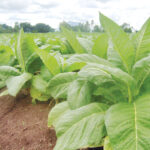
President of Financial Market Dealers Association, Leslie Fatch, highlighted the country’s heavy dependence on traditional means of foreign exchange generation, primarily through tobacco farming.
“Unless Malawi diversifies its income streams, the situation is time to worsen and hamper the nation’s economic development. The imprudence of relying on tobacco, which is sold in a short time once a year and generates revenue insufficient to cover the country’s monthly import bill of $250 million, has aggravated the situation,” Fatch said.
Financial analyst Bond Mtembezeka shared Fatch’s concerns, faulting a weak supply side, which further weakened following the conclusion of the tobacco marketing season.
Mtembezeka underscored that Malawi’s overreliance on imports, coupled with high demand for foreign currency, creates an urgent need for government intervention.
- Advertisement -
“The government must support the importation of essential commodities like fuel, medicines, and agricultural inputs in the short term. In the medium term, we must boost agriculture for increased production and exports, given the favourable global market for agricultural products,” Mtembezeka said.
The foreign exchange scarcity issue has plagued Malawi since the onset of the Covid pandemic, disrupting the importation of critical goods such as fuel.
As of July this year, gross official foreign exchange reserves dropped to $267.91 million, representing just 1.07 months of import cover.
This decline of 16.7 percent from June, when reserves stood at $321 million, highlights the gravity of the situation.
- Advertisement -
- Advertisement -
Reserve Bank of Malawi (RBM) Governor Wilson Banda acknowledged the need for instruments to improve foreign exchange availability, responding to earlier rumours of a possible devaluation.
However, RBM spokesperson Mark Lungu asked for more time before he could comment on the specific measures the bank has implemented to address the foreign exchange crisis.
Malawi, a net importer and consumer heavily reliant on exporting raw agricultural goods, faces a critical juncture in its economic development.
The ongoing foreign exchange shortage underscores the urgency of diversifying revenue streams and enhancing currency stability to safeguard the nation’s economic future.