




By Donasius Pathera, contributor:
Sub-Saharan Africa is grappling with one of the most complex economic environments in recent memory.
This challenging landscape is characterised by a sluggish post-pandemic recovery, escalating food and energy costs, and soaring levels of public debt.
Among the pressing issues confronting the region is the imperative to address inflation rates that have reached their highest levels in a decade, wreaking havoc on incomes and food security while simultaneously bolstering economic growth.
While disparities exist among individual nations within the region, the median inflation rate surged to nearly nine percent in August.
- Advertisement -
Although the escalation has been less abrupt than in other parts of the world, as its drivers differ, it has still pushed inflation to nearly double the pre-pandemic levels, thereby exacerbating the risk of social and political instability and aggravating food insecurity.
Despite a modest rebound in the previous year, the aftermath of the pandemic has kept economic activity within sub-Saharan Africa relatively subdued, and a slowdown in regional growth is anticipated for the current year.
Unlike wealthier nations that were able to infuse trillions of dollars into their economies, most countries in the region lacked the resources required to foster and stimulate growth.
In sub-Saharan Africa, inflation has been primarily influenced by external factors rather than domestic economic activity, in stark contrast to advanced economies.
- Advertisement -
These external factors encompass a significant surge in global commodity prices, fluctuations in exchange rates, disruptions in global supply chains, and natural disasters.
Regarding food prices, essential staples like maize and wheat have experienced price hikes since 2019, accounting for two-thirds of overall inflation in fragile states and half elsewhere in the region.
Elevated global energy prices and the strength of the US dollar have also indirectly contributed to inflation, primarily through transportation and tradable goods like household products.
Conversely, prices for goods and services that primarily reflect domestic demand pressures, known as non-tradables, have seen only marginal increases. These typically include locally-produced services such as those in the hospitality, health, or education sectors.
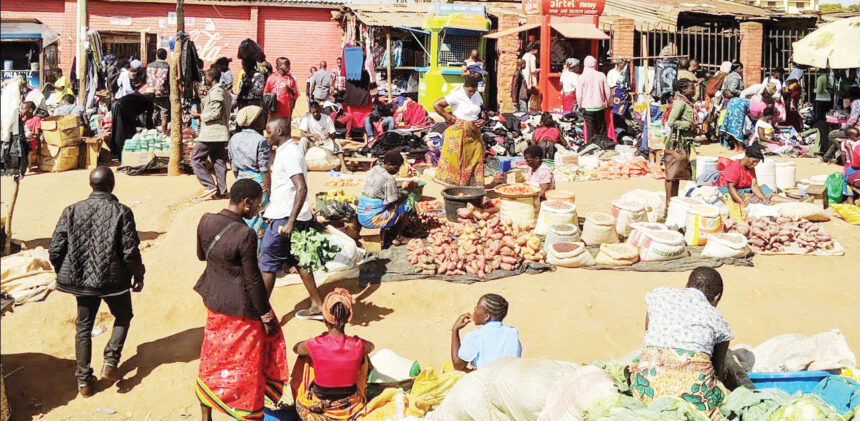
With food and energy constituting half of household consumption in sub-Saharan Africa, living expenses have surged throughout the region. The IMF estimates that 12 percent of the region’s population will confront severe food insecurity by year-end.
Consequently, many countries have implemented subsidies and tax cuts to mitigate the financial strain on households. These measures are intended to be temporary and highly targeted to maximize their effectiveness while minimizing the burden on already stretched budgets.
Central banks across the region have already initiated interest rate hikes in response to mounting inflation, capital outflows, and currency depreciation resulting from monetary policy adjustments in advanced economies.
Notable examples include Ghana, Malawi, Mozambique, Nigeria, Uganda, and the economic and monetary unions for both Central and West Africa.
Monetary authorities find themselves in a delicate balancing act, needing to raise rates to combat inflation while avoiding stifling credit for investment, dampening economic activity, and reducing incomes.
Concurrently, fiscal consolidation and the global economic slowdown exert pressure on domestic economic performance.
As a result, central banks must exercise caution and incrementally raise interest rates to safeguard the recovery.
However, policymakers should not become complacent. In countries with acute domestic demand pressures or exceptionally high inflation, a more rapid or decisive tightening of policies may be warranted.
The same applies to countries with weak monetary policy credibility, rapid currency depreciation, or diminishing foreign exchange reserves.
While countries with fixed or heavily managed exchange rates have experienced lower inflation thus far, their ability to control the pace of interest rate increases is constrained by their currency arrangements.
There are concerns that monetary policy may still be overly accommodating, as rate increases have not kept pace with inflation.
Policy coordination, along with fiscal consolidation in cases of overly loose policy, can play a pivotal role, as can a combination of rate hikes and currency depreciation.
Given the fragile nature of sub- Saharan Africa’s recovery and the fact that domestic demand pressures have not been a primary driver of inflation, policymakers must proceed with caution in the coming months while vigilantly monitoring inflation trends.
The impact of interest rates on Malawi, much like any other nation, hinges upon the broader economic landscape and the unique circumstances prevailing at any given juncture. Interest rates wield a dual-edged sword, capable of both nurturing and hindering a country’s economic prosperity, their effects varying in magnitude and direction. In the case of Malawi, the ramifications of interest rates can be particularly pronounced, notably in the following dimensions:
Firstly, the cost of borrowing escalates when interest rates ascend. This phenomenon extends its reach to individuals, businesses, and the government alike. The consequence is an augmented financial burden, rendering critical projects, infrastructure development, and social initiatives more costly.
For a nation like Malawi, which often resorts to borrowing for such fundamental undertakings, elevated interest rates impose considerable strain on government finances, potentially impeding progress across multiple sectors.
Secondly, the investment landscape undergoes transformation under the influence of elevated interest rates. Private sector enterprises, in particular, may find themselves deterred from pursuing expansion initiatives.
The consequence is a potential slowdown in economic growth and, potentially, the disconcerting prospect of job losses.
This, in turn, may cast a shadow on employment rates and income levels within the nation, creating a ripple effect on its socio-economic fabric.
Moreover, a notable uptick in interest rates can attract foreign investment to Malawi. While this could bring certain advantages, such as facilitating cheaper imports, it can simultaneously exert unwelcome pressure on the country’s currency exchange rates.
The resultant appreciation of the national currency may undermine the competitiveness of Malawi’s vital agricultural sector, an essential component of its economy.
Furthermore, the burden of servicing debt, especially if it comprises variable interest rates, amplifies with escalating interest rates. This redirection of resources towards servicing debt obligations may divert funds away from crucial government functions, including healthcare and education, thereby impacting the well-being and future prospects of the population.
Consumer spending, too, feels the impact of elevated interest rates. Costs associated with borrowing, such as mortgage and personal loan interest payments, witness an increase. This uptick can curtail disposable income and subsequently dampen consumer spending, potentially stalling economic activity.
Malawi’s agricultural sector, a linchpin of its economy, is not immune to the influence of interest rates. Elevated rates can amplify the cost of financing for farmers, limiting their capacity to invest in improved agricultural practices, purchase essential inputs, and expand their farming operations.
Furthermore, should interest rates be employed as a tool to combat inflation, their consequences on economic growth can be adverse.
Tightened monetary policies, often implemented through heightened interest rates, have the potential to curtail consumer and business spending, thus decelerating overall economic activity. However, such measures can contribute to controlling inflation.
Lastly, Malawi, owing to its susceptibility to external shocks like fluctuating global commodity prices, faces vulnerabilities that heightened interest rates can exacerbate. These rates can limit the government’s fiscal flexibility when navigating these external economic shocks, potentially compounding the challenges posed by such events.
In conclusion, it is imperative to recognize that the impact of interest rates on Malawi’s economy hinges upon a multitude of factors, including the decisions of the central bank regarding monetary policy, the prevailing global economic climate, and numerous other variables.
To mitigate the potentially adverse repercussions of fluctuating interest rates, policymakers in Malawi must exercise prudence, taking into account the broader economic context, and adopt measures that promote economic stability and growth while safeguarding the welfare of the populace.