By Jimmy Chazama:
At least 400 children have been adopted from Malawi between 2017 and 2024.
The majority of them have gone to families in the United States of America and Brazil.
This is according to a report of the Malawi Human Rights Commission (MHRC).
The Commission conducted a national monitoring exercise to understand the gaps in the country’s adoption laws and track where the children are going.
- Advertisement -
The Commission said the exercise followed public complaints and media reports that raised concerns over underhand adoption practices.
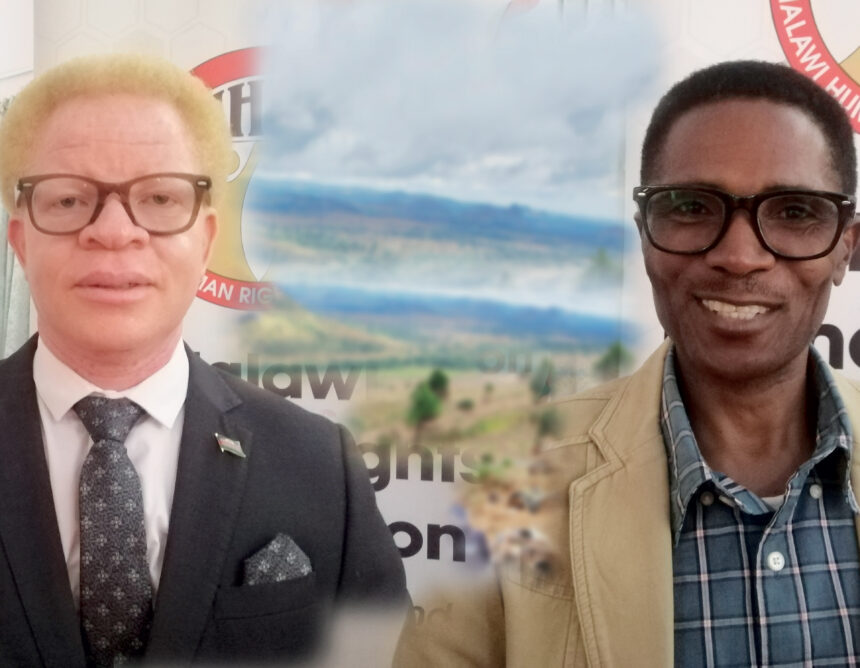
Commissioner of the MHRC Bonface Massah said yesterday that the Commission visited children’s homes, worked with the Ministry of Gender, the courts and district social welfare offices to gather the information.
The aim of the task was to assess how Malawi is handling adoption and to investigate patterns and weaknesses in the system.
“Our purpose was to understand what is missing in our legal framework, but also to find out where the children are actually going,” Massa said.
- Advertisement -
- Advertisement -
The investigation found that most of the adopted children were girls and that Blantyre and Lilongwe had the highest numbers of adoptions compared with other parts of the country.
He further said there were major inconsistencies in the data collected from childcare centres, the ministry and the courts.
“This makes it difficult to know where these children are ending up or whether their rights are being protected,” he said.
Massah said the Commission suspects that some adoption cases may have involved human trafficking and corruption.
Currently, he said, there is no strong legal framework to guide both domestic and international adoptions.
While Malawi has the Child Care, Protection and Justice Act, activists find it seriously deficient to tackle adoption issues, hence their call for the passing of the Adoption of Children Bill.
Massa said the bill would address the available weaknesses and protect children throughout the adoption process.
Chairperson of the NGO Coalition on Child Rights Desmond Mhango described the current adoption system as worrisomely weak.
He said during the investigation, some institutions could not trace the children who were adopted and that records were often incomplete or missing.
“They could not even confirm the names of some children. This gives the feeling that probably a lot more children may have been taken out of the country than what is recorded,” he said.
He said the lack of transparency and accountability on the matter could amount to trafficking of children.
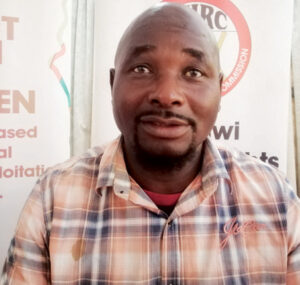
He questioned why Malawi continues to send children to countries like the United States and Brazil, especially when it is difficult to follow up on their welfare.
“It is not healthy for the children of this country to be sent to countries where they cannot be followed up.
“Government must reflect on this and take action,” he said.
Acting Director of Social Welfare in the Ministry of Gender, Community Development and Social Welfare Enock Bonongwe said the change in how adoptions are handled started with a court ruling that removed the requirement for foreign adoptive parents to stay in Malawi for at least 18 months.
“We did not go back to the drawing board after the court ruling to revise the process.
“We have made mistakes, but we have also made corrections along the way. The process is smoother now, and we have become more aware of where we need to improve,” Bonongwe said.