By Mcloyd Chilangiza:
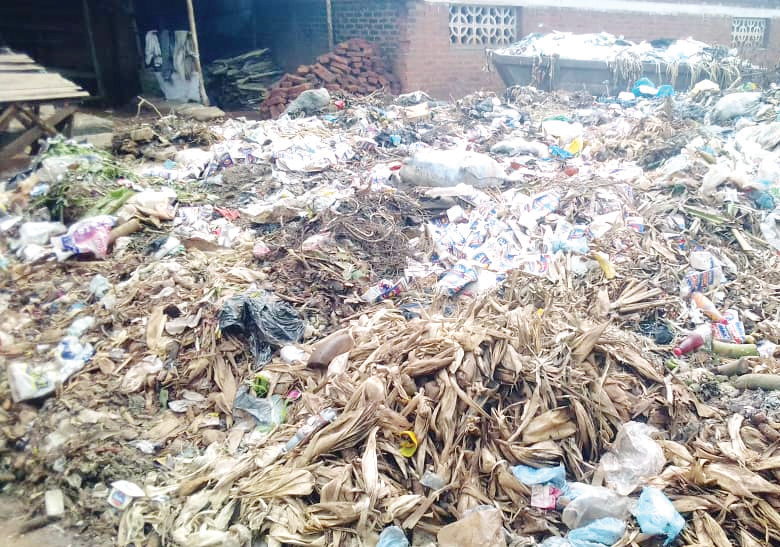
A recent report by the World Bank has warned that Malawi risks facing increased health and disaster-related concerns over low collection of waste as the country generates over 3.1 million tonnes of waste annually.
This translates to approximately 8,500 tonnes of waste per day.
The report, titled ‘What a Waste 3.0: Global Snapshot of Solid Waste Management toward Circularity until 2050’, indicates that unmanaged garbage raises serious public health, water and environmental concerns.
Published on March 27, 2026, the report says despite increased population and urbanisation, only about 3 percent of waste generated nationally is properly collected, a figure that falls far below the sub- Saharan African average of 31 percent.
- Advertisement -
Further, World Bank says, in urban centres such as Lilongwe and Blantyre cities, waste collection stood at 35 percent in 2022, leaving the majority unmanaged and disposed of through open dumping, burning or informal disposal sites.
It further notes that waste dumped in drains and waterways can block drainage systems, contributing to flooding during heavy rains and increasing exposure to waterborne diseases.
“With organic waste accounting for the largest share of the waste stream, investments in composting, recycling and structured waste collection systems could reduce environmental risks while creating jobs and supporting a circular economy,” the report reads.
Commenting on the report, Civil Society Network on Climate Change Chairperson Julius Ngoma said the low waste collection rate posed serious environmental and health threats to community members.
- Advertisement -
- Advertisement -
Ngoma attributed the situation to weak enforcement of environmental policies, limited financial resources for municipal councils and lack of coordination among institutions that are responsible for waste management.

“Under-collection of waste is concerning as it poses environmental and health risks to citizens. Mostly, this uncollected waste is left unmanaged and creates hazardous conditions for people and their surroundings, resulting in manmade disasters such as disease outbreaks and flooding events where waste blocks or disturbs natural or manmade waterways,” he said.
Malawi Local Government Association Chief Executive Officer Hadrod Mkandawire, while admitting the waste under collection, attributed the situation to under collection of revenue, which he said affected operations of councils.
Mkandawire said councils, through urban development plans, incorporate environmental management frameworks that seek to conserve the environment.
He added that councils were reinforcing public private partnerships to complement their efforts in achieving quality sanitation infrastructure.
“The waste management plans are part of the broader service delivery mechanism. Each council develops an urban strategic plan to address various issues affecting the welfare of residents, whether waste management or road networks,” he said.
Recently, President Peter Mutharika, during the launch of the 2026 to 2030 Strategic Plan for Beautify Malawi Trust, ordered all authorities in public establishments to ensure that every facility is equipped with trash bins to control littering in public places.
As of February 16, 2026, the country had recorded 828 cumulative suspected cases of cholera and two deaths.