Primary and secondary schools in the country are grappling with funding nightmare that has stretched on for almost two years now, Malawi News has learnt.
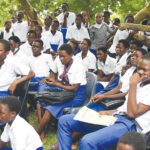
In the week, students at Ntcheu and Machinga secondary schools were in the limelight as they protested poor diet at their institutions.
It emerges that these may not be isolated cases as government funding to councils keeps coming in drips, if at all for some sectors.
Education is one of those sectors bearing the brunt and the protests by the students at Ntcheu and Machinga secondary schools could be a tip of the iceberg, if information we have gathered is anything to go by.
We spoke with headmasters from a number of secondary schools across the country on their funding situation.
- Advertisement -
All of them indicated that government has not been funding the schools consistently with some of them receiving way below their submitted monthly budgets.
“Funding problems in our sector started in 2021. There were times when we would be given half the budget we asked for. However, it was not as bad as it got in 2022 till date,” said one head teacher.
Data shared by the schools we consulted show that they have been receiving less than 50 percent of their monthly requirement.
“We have had to compromise on the other needs,” said one of the head teachers who gave us the figures for the school’s budget lines.
- Advertisement -
- Advertisement -
“Truthfully speaking, this affects our morale and that of the students because a hungry student cannot perform to the best of their ability,” said the teacher from a secondary school in Blantyre City.
Another head teacher from the Northern Region said there are times they deplete their budgetary allocation but because they have fixed suppliers, sometimes the suppliers provide the services on debt.
“The money that is given to us has to cater for electricity, water, food and other necessities such as toilet paper. And on food we normally buy from Admarc but now Admarc is refusing to sell us maize which means buying from private traders is even more costly, yet food is something we cannot do without.
“Sometimes we use the money from school fees to cover some of the costs we incur but overall, things are not going on well in the schools. I am certain that we are not the only ones going through this,” the teacher said.
Education analyst Steve Shara said funding is an issue that goes beyond the Ministry of Education as budgetary allocations are dictated by how much resources the country is able to mobilise as a country.
But he said the funding woes in the education sector are dealing a severe blow to Malawi’s social, economic and human capital development goals.
“The consequences of poor funding in the public education sector can have repercussions in the broader social and economic context of the country.
“We already have huge socio-economic inequalities in the country. The public education system offers hope to reduce these inequalities. Adequate funding to secondary schools is a very good investment for human capital development,” he said.
Spokesperson for the Ministry of Education, Mphatso Mkuonera, asked for more time to comment as he needed to link with other officials in the ministry for information.
And the education sector’s nightmare might have deepened now.
A latest memo we have seen from the National Local Government Finance Committee addressed to all District Commissioners and Chief Executive Officers dated October 6, 2023 indicates that only the health sector was funded in the month of September.
According the Malawi Local Government Association (Malga), all other sectors have not been funded.
“All the other sectors including the headquarters’ General Resource Fund (GRF) where we draw the honoraria for councillors and Other Recurrent Transactions (ORT) where operations for paying headquarters such as the DCs is not there.
“Simply, it is only the hospitals that have been given attention. The primary schools, forestry department and agriculture department are all going to suffer. To be honest we are lost for words. We are failing to understand what is going on,” Malga Executive Director Hardrod Mkandawire said.
Minister of Local Government Richard Chimwendo Banda asked for the memo that we saw before responding to our questions