By Pemphero Malimba:
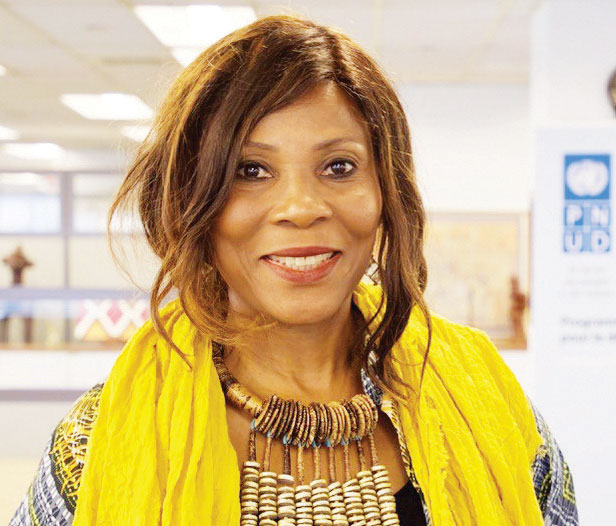
United Nations Development Programme (UNDP) has announced that UN Assistant- Secretary General and UNDP’s Regional Bureau for Africa Director Ahunna Eziakonwa is visiting Malawi from March 3 to 6, 2024.
In a statement, UNDP says Eziakonwa will undertake a number of activities in Lilongwe, Blantyre and Mchinji as part of her official mission.
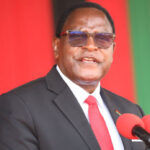
It says the UN official will also meet President Lazarus Chakwera, senior government officials, the Malawi Electoral Commission, UN agencies, development partners, women and youth groups, local innovators and other stakeholders.
“While in the capital, she will visit Naturals Limited Factory, a UNDP-supported enterprise to gauge its positive impact on income and livelihoods,” the statement reads.
- Advertisement -
It adds that Eziakonwa will travel to Mchinji, where she will appreciate Sitolo Solar Minigrid and the national identity card registration centre at Kamwendo Teachers Development Centre.
“In Blantyre, Ms Eziakonwa will participate in a roundtable discussion on women empowerment focusing on removing barriers to gender equality and women advancement,” the statement says.
The UN official is expected to complete her mission at Malawi University of Business and Applied Sciences (Mubas) in the company of President Chakwera.
There, she will inaugurate the University Innovation Pod (Unipod) whose goal is to foster creativity, innovation and entrepreneurship in Malawi.
- Advertisement -
- Advertisement -
Through the Unipod project, UNDP has reconstructed and equipped the design studio and innovation hub at Mubas to make it a unified state-of-the-art space for ideation, designing, testing, entrepreneurship and learning.
In turn, “local innovations [should] grow into mature solutions for helping Malawi achieve national strategic goals and the global Sustainable Development Goals [SDGs]”.
Eziakonwa leads UNDP’s efforts in supporting 46 African countries to achieve the goals.
Malawi is said to be among countries that are set to miss targets set in several SDGs, partly because of failure to allocate adequate resources for works which would help in achieving them.
Also known as the global goals, the SDGs were adopted by the UN in 2015 as a universal call to action to end poverty, protect the planet, and ensure that by 2030 all people enjoy peace and prosperity.