By Clever Mwale:
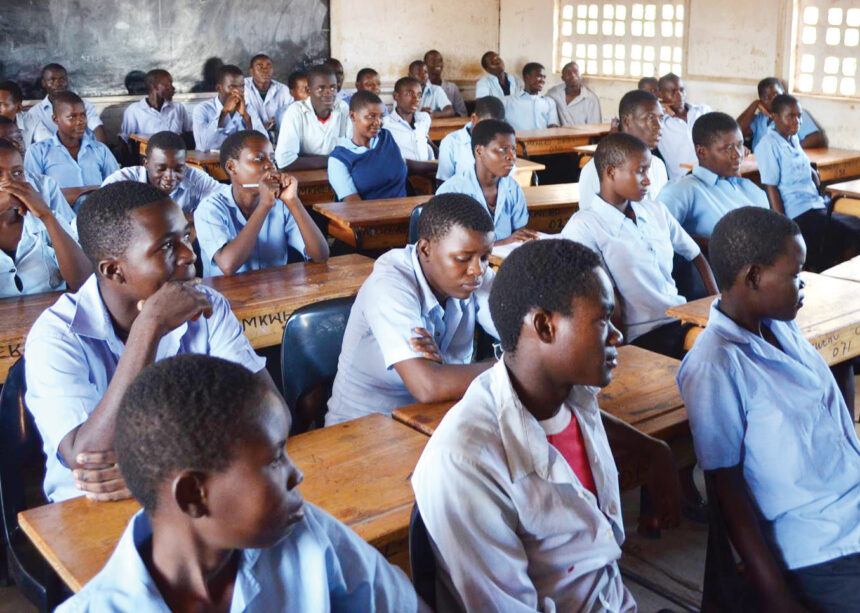
As schools open for the first term of the 2025–26 academic year, students, parents and guardians remain uncertain whether they will be required to pay tuition fees.
The uncertainty stems from the Malawi Electoral Commission having yet to release the results of the general elections held on 16 September.
During the campaign period, some political parties pledged to xintroduce free secondary education, while others did not address the issue.
As of yesterday, the main contest appeared to be between former president Peter Mutharika of the Democratic Progressive Party (DPP) and President Lazarus Chakwera of the Malawi Congress Party.
- Advertisement -
In its manifesto launched in early August, the DPP, in alliance with the Alliance for Democracy, pledged to “introduce free secondary education and remove development fees in primary schools.”
Collins Magalasi, the organising chairperson for the event, told the audience at Mount Soche Hotel in Blantyre, “We want to make education accessible to all.”
Magalasi added that the pledge was not just rhetoric but a commitment the DPP intended to fulfil if elected.
Despite the promise raising hopes, many remain unsure about when and how it will be implemented.
- Advertisement -
- Advertisement -
With schools reopening under the existing fee structure, parents and students are uncertain whether fees will still apply or whether a confirmed DPP victory would result in immediate changes.
Some critics have questioned the feasibility of free secondary education, warning that it could compromise quality.
The DPP has acknowledged these concerns. At a public event, Magalasi said, “While making primary and secondary education free and compulsory is achievable, we must ensure the fundamentals are in place: classrooms, teachers, books.”
Observers have cautioned that implementation must be carefully planned to avoid repeating mistakes from previous education policies.
Common concerns include potential funding shortfalls, delays in the distribution of resources and logistical challenges in rural areas.
Education policy expert Benedicto Kondowe echoed these concerns, stating that while the pledge is attainable, it carries significant financial implications.
“Without a clear financing plan, the financial position could become strained, leading to widening deficits, increased borrowing and possible delays in the delivery of other essential services,” Kondowe said.
He warned that inadequate funding could result in overcrowded classrooms, teacher shortages and a lack of learning materials, ultimately undermining the quality of education.