








By Imam Wali:
In Dedza’s ancestral reaches, villages are forgotten. Citizens under Senior Chief Kachere exist in political purgatory. They are trapped between shifting constituency lines. Here, progress falls into the cracks of indifference.
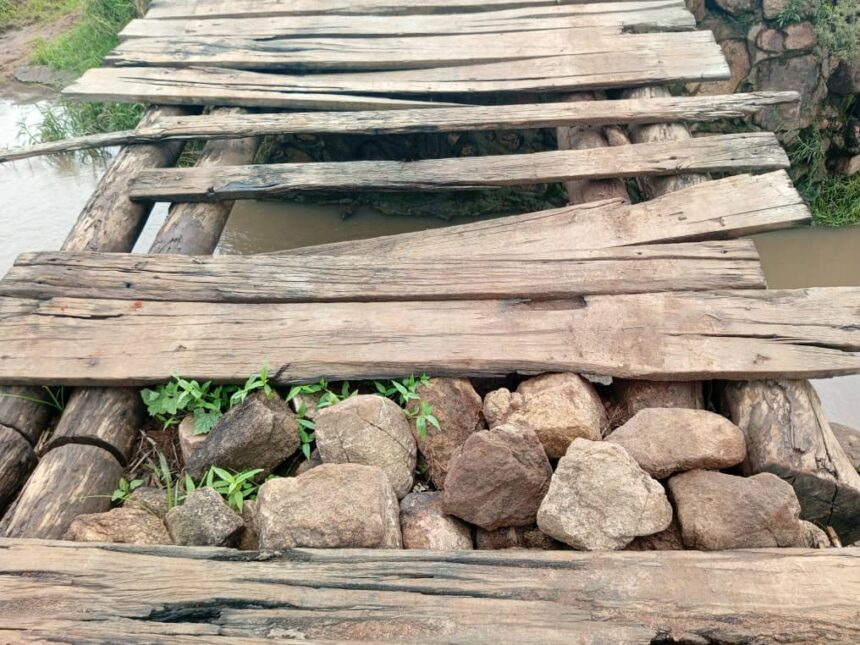
The Namanungwi bridge is a phantom. For years, politicians promised infrastructure to weary voters. They always retreated before breaking ground. Because these villages sit on the edge of two jurisdictions, no legislator claims them. This neglect collapses SDG 9 of …Infrastructure. It leaves people stranded in a no-man’s-land.
Before demarcation of the constituencies the bridge was between Dedza South and Central constituencies which recently were named Dedza Boma and Linthipe constituencies.
For decades now broken promises haunt these communities. The vulnerable pay the highest price. Anastasia Masache a pupil at Kalinyeke Primary School describes a rotting, skeletal bridge as the only lifeline for students.
- Advertisement -
“We cross this bridge every day to reach Kalinyeke Primary. When it rains, we have to stay home. We feel forgotten by the authorities, and our education suffers for it.” Masache laments
Group village headmen Zengeleza and Chifisi under Senior Chief Kachere say Namanungwi bridge is vital. It connects thousands of people to hospitals, farming and markets. Now, it is just a political tool.
“Politicians treat this bridge like a campaign prop. We gathered stones for a foundation that never came, and now the rains have swept them away. Like those stones, their promises are fleeting.” GVH Zengeleza laments.
The tragedy deepens in GVH Thomo’s territory. Since the last boundary shift of Dedza-Mlunduni and Boma constituencies, clean water has vanished. A single borehole, drilled in 1992, has been choked with silt for fifteen years. This affects 1,600 people. It violates SDG 6-Clean Water and Sanitation.
- Advertisement -
- Advertisement -
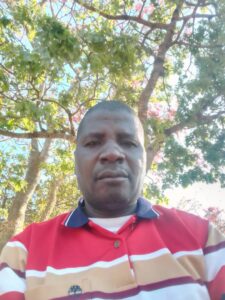
A mother of three, Silireni Yohane from GVH Thomo, traditional authority Kasumbu says families now scavenge for water in shallow wells. They share these sources with livestock.
“We wake before the sun to compete with cattle for a few drops of brown water. Our children are constantly sick, but what choice do we have? The politicians drink tap and treated water in the city while we drink from the mud with animals.” says Silireni.
Her words highlight a failure of SDG 3. Waterborne illness is a daily threat. GVH Thomo is now demanding action from Dedza Boma leadership.
“The shadows of politicians promised us life, Now it is the time to walk the talk. The campaign period is over people want action” the Village Headman Thomo says, recalling the parade of candidates who arrived with clipboards and quotations, only to vanish once the ballots were cast.
The silence from the capital stems from chilling political math. One legislator, speaking anonymously, revealed a bitter truth: legislators view borderland citizens as ‘double-standard’ voters. Investing there is seen as political suicide a waste of resources on people who might vote for a rival. In these halls, development is not a right; it is a bribe for loyalty.
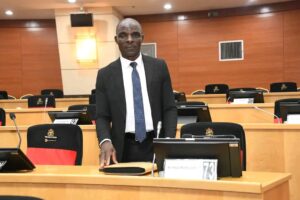
The Namanungwi bridge and Thomo’s water crisis fall under Member of Parliament for Dedza-Boma Howard Nzambweulemba.
“I inherited this crisis, but these are my people. It is dire; children are missing school and families lack safe water. While we wait for CDF funds to build a permanent bridge and borehole, I am using my own funds to fix the old ones so life can continue.” Nzambweulemba stated.
He hopes to partner with newly elected Members of Parliament Moses Kunkuyu-Dedza-Mlunduni and Jacob Kaumphawi Dedza-Linthipe to improve border livelihoods.
Collaboration is possible. Between 2018 and 2025, MPs Savel Kafwafwa and Joshua Malango ignored boundaries. They jointly rehabilitated the Mayani road. Their success rebukes colleagues who prioritise maps over people.
Civil Society Organisations (CSO) Chairperson in Dedza Obsorn Yotamu urgeshe council should stick to what is in the District Development Plan (DDP) by not neglecting areas in the border areas.
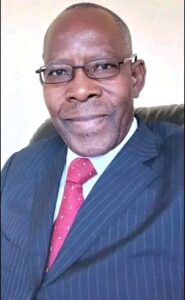
These struggles are a microcosm of a national crisis. Boundary disputes and voter math override the government’s moral duty to provide basic services. Governance expert Dr. George Chaima says duty-bearers must be held accountable.
“Any leader who fails to deliver equitably is unfit for public service. True democracy gives people what they actually need, not what politicians dream of imposing on them.” Dr. Chaima argues.
The Dedza District Council is now building an administrative firewall. Director of Administration Dr. Chris Salaniponi says the CDF is being restructured to stop political math.
“We are restructuring the Constituency Development Fund to end this ‘political math.’ No MP or Chief can make a unilateral decision anymore. Projects must now be approved by the community leadership and strictly follow the Annual Investment Plan.” Salaniponi stated.
The District Commissioner must now ensure funds only go to community-prioritised projects. This shift aims to replace political bribes with transparent development.
But for the villages of Zengeleza, Chifisi, and Thomo, the clock is ticking. How many more seasons must pass before their lives are worth more than a calculated vote?


