University of Malawi (Unima) Deputy Vice Chancellor Sunduzwayo Madise has demanded transparency and accountability in the way the country handles oil and gas deals.
Madise was speaking in Lilongwe on Tuesday when he delivered a keynote address during an Energy Symposium on Optimising Energy, Oil and Gas Production in Malawi.
According to Madise, oil and gas are national assets and that the way authorities deal with them must be transparent to Malawians.
“The owners of the resources in Malawi are Malawians themselves. Whosoever is doing it does it on trust. So the people we send to negotiate and strike deals for us need to be transparent.
“What concessions have they made? What deals have they made? How much are we going to get as Malawians? That is important because when you are open and transparent, the public has trust in the system,” Madise said.
- Advertisement -
He also bemoaned low capacity to churn out beneficial deals for Malawi at negotiation tables.
According to Madise, the country needs lawyers, financial experts, negotiators, economists, engineers and technicians who are well versed in the oil sector.
“That’s why when we go into these negotiations, they either fail or we get a raw deal,” Madise said.
He also underscored the need for Malawi to develop its energy sector to ensure that it has enough power to propel huge mining projects.
- Advertisement -
- Advertisement -
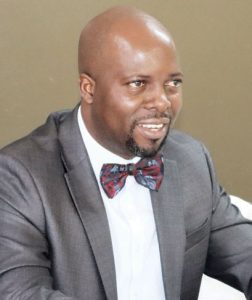
National Planning Commission (NPC) Director General Thomas Munthali said current figures indicate that Malawi produces 369 megawatts of electricity with biomass producing 18 megawatts; and solar energy producing 40-70 megawatts.
He said 53.3 percent of the produced energy powers local industries, and 12 percent accessible to the population.
“The question to ask however is: How do these energy quantities and volumes sit with our industrialization agenda? How much energy do we need to produce for us to propel our manufacturing and mining activities?
“Who should produce this energy and using what sustainable means? What mechanisms are required in our context to provide a coordinated effort to develop our energy base to sustain both industrial and domestic demands? Munthali said.
He applauded the Malawi Defence Forces, Center for Strategic Studies and the Malawi University of Science and Technology for taking bold steps to interrogate energy concerns through the symposium.
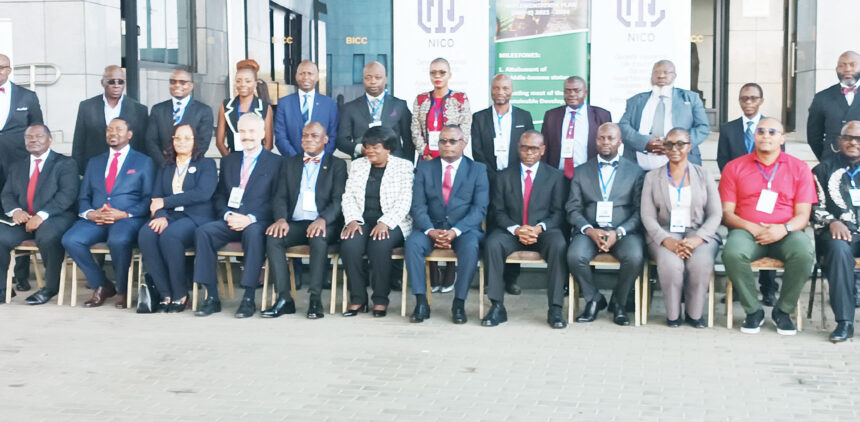
The symposium was made possible with support from corporate partners led by Nico Group.
Nico Group Chief Executive Officer Vizenge Kumwenda said his group understands the importance of such a symposium, hence the support.