By Mercy Matonga:
Pregnant women and caregivers in several government hospitals have faced difficulties in accessing Tetanus Toxoid (TTV) and polio vaccines, which have reportedly been in short supply for the past few months, The Daily Times has learned.
Tetanus is a vaccine that is given to expectant mothers and those who have suffered open injuries in accidents and other events.
The Daily Times can further report that some expectant mothers have been asked to purchase the vaccines privately due to the scarcity, although the Ministry of Health states that it is illegal for the vaccine to be accessed privately.
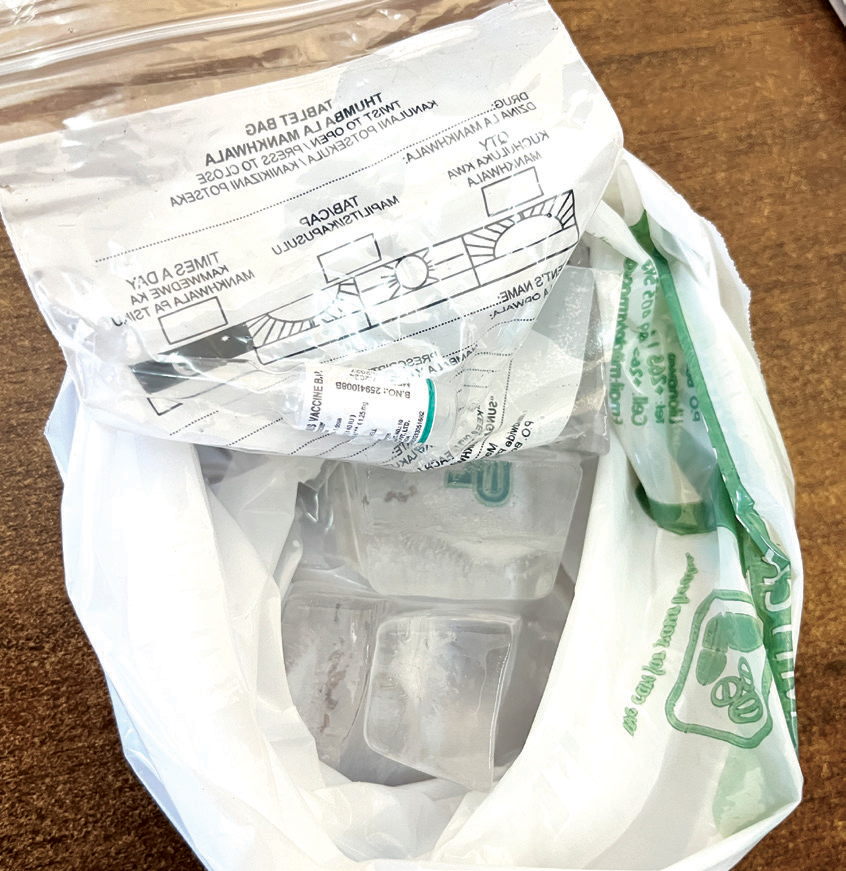
However, The Daily Times managed to source the vaccine at a private pharmacy in Lilongwe for K20,000 as part of an investigation into the health emergency.
- Advertisement -
The pharmacy did not request any evidence from the hospital or provide any information on the vaccine but sold the reporter the vaccine in a plastic bag with some ice.
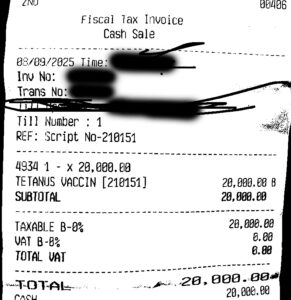
According to one expectant mother, who recently attended antenatal services at Ethel Mutharika premises in Lilongwe on Monday last week, she was advised to buy and bring the vaccine to the hospital to be injected.
“Since it was my first day for antenatal [services], I was supposed to get the tetanus vaccine but was told that the vaccine was not available,” said the mother.
She also said she was able to get the vaccine through a friend’s connection at a health centre.
- Advertisement -
- Advertisement -
She said the healthcare worker said the vaccine was no longer administered because it was in very short supply.
Another health surveillance assistant at Bwaila Hospital told this newspaper that the vaccine has not been available but was quick to say it can be accessed in some pharmacies.
“We are advised not to tell those who need the vaccine anything but, under some circumstances, if we know someone has the ability, we are told to buy the vaccine,” the HSA said.
The HSA further said it is not only TTV that has been in short supply, but also the polio vaccine, leading to some newborn babies not receiving the vaccine.
Principal Secretary for Health, Dr. Samson Ndolo, said in an interview that he was not aware of the situation and maintained that the vaccine is available.
“I am not aware of such, but I can confirm that the vaccine is available following the follow-up that has been made,” Ndolo said.
He added that only the government is responsible for supplying vaccines and that they cannot be sold, as pharmacies are not allowed to do so.
Malawi Local Government Association (MALGA) Chief Executive Officer Hadrod Mkandawire acknowledged that there has, indeed, been a low supply hiccup for at least two months across the districts, likely longer for some areas.
“What needs to be clarified is that the vaccines are supplied through Unicef [United Nations Children’s Emergency Fund], albeit funded by global organisations like Gavi- the Vaccine Alliance, GPEI, etc. Whenever there’s a supply shortage from the designated global manufacturers, beneficiary countries such as Malawi are also affected. That is what happened in this case,” Mkandawire said.
He was quick to say the country has now been supplied with the same and that, as of Monday, all the regional warehouses have the vaccines available for districts to start collecting them.