



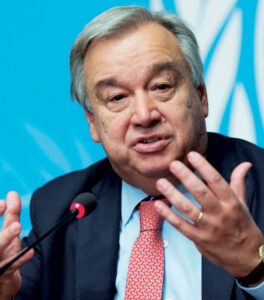
There is growing apprehension among those involved in the global HIV response following a report by United Nations Secretary-General António Guterres, which outlines plans to phase out the UN Joint Programme on HIV and Aids (UNAids) by the end of 2026.
The report, titled ‘Shifting Paradigms: United to Deliver’, proposes integrating UNAids’ capacity and expertise into other UN development entities by 2027.
The changes are part of broader reform efforts which Guterres says are aimed at improving efficiency and coherence across the UN system.
Presented ahead of the 80th Session of the UN General Assembly in New York, the report provides member states with an opportunity to consider the proposals at the highest level.
Among the recommendations is also a potential merger of the UN Development Programme (UNDP) with the UN Office for Project Services and another between the UN Population Fund and UN Women.
- Advertisement -
The objective, the UN says, is to streamline operations, enhance delivery and reduce overhead costs.
Transitioning while defending relevance
UNAids has confirmed it is already undergoing a transition in line with the reform agenda and that a two-phase transformation plan, approved by the UNAids Board in June 2025, is currently being implemented.
The first phase involves a 55 percent reduction in UNAids Secretariat staff and a consolidation of its presence from 85 to 54 countries, with a lighter footprint in 40 others.
- Advertisement -
- Advertisement -
The changes prioritise countries where 80 percent of people living with HIV reside and where 71 percent of new infections occur.
The second phase, set to begin in 2027, will further consolidate and integrate UNAids’ operations with other UN entities and regional institutions such as the Africa Centres for Disease Control and Prevention.
This will eventually result in the closure of the UNAids Secretariat in its current form, the agency says.
Civil society pushes back with outrage
However, the NGO Delegation to the UNAids Programme Coordinating Board has strongly opposed the proposed sunset of UNAids, calling it a betrayal of the global commitment to end Aids by 2030.
The group says preserving UNAids is about saving lives and that to propose sunsetting it now is “profoundly dangerous”.
It further warns that dismantling UNAids would undermine commitments to people living with HIV and derail progress on the Sustainable Development Goals, particularly Goal 3 on health and Goal 10 on reducing inequalities.
The group insists that UNAids must remain active until new infections are halted, lifesaving treatment reaches everyone who needs it and the human rights of people living with and affected by HIV are fully protected.
Any restructuring, they argue, must strengthen rather than weaken the HIV response and community leadership.
Funding uncertainty, futures at risk
The International Aids Society (IAS) has also urged the UN to keep HIV a priority on the global health agenda.
IAS says while it remains committed to working with communities, governments and UN agencies, without clear funding commitments from major donors such as Pepfar and the Global Fund, millions risk losing access to treatment and prevention.
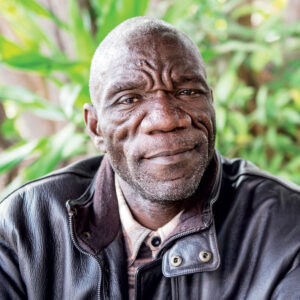
The Network of Journalists Living with HIV (Joneha) has echoed these concerns.
In a written response, Joneha Executive Director David Kamkwamba highlighted “the critical role UNAids plays in supporting organisations that work with marginalised populations”.
Kamkwamba warned that in countries like Malawi, where legal and structural barriers still exist, UNAids is essential for setting priorities, tracking progress and holding governments accountable.
“Taking away UNAids risks undoing years of progress in the fight against HIV and Aids,” he warned.
‘Progress undeniable but gains at risk’
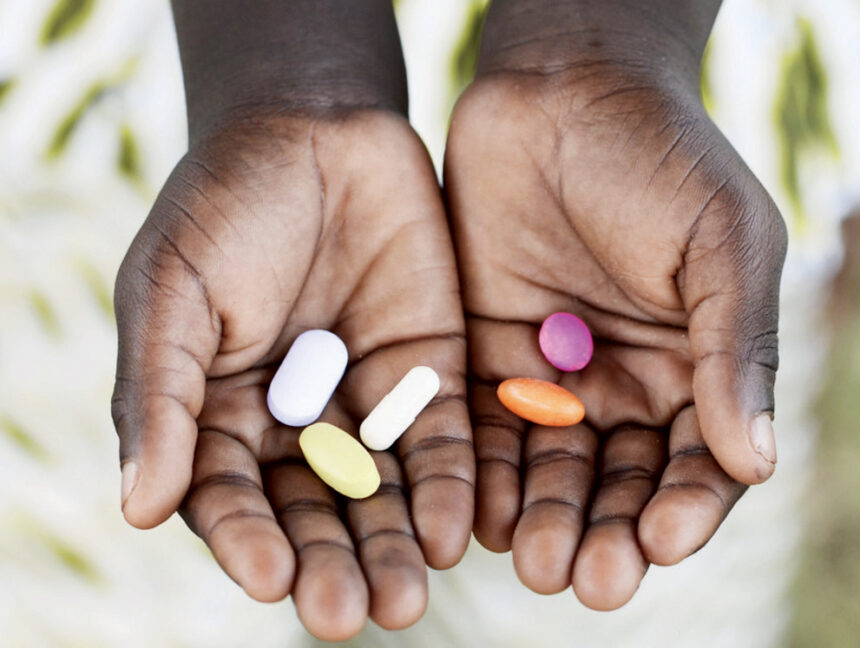
Since its creation in 1996, UNAids has played a key role in expanding access to antiretroviral therapy (ART).
By the end of 2023, an estimated 30.7 million people worldwide were on treatment, compared to just a few hundred thousand in the early 2000s.
However, around 9.2 million people living with HIV still lacked access to treatment due to challenges such as gaps in health systems and stigma.
Malawi stands out as a success story.
Despite limited resources, the country has made significant progress with support from UNAids and other partners.
New HIV infections dropped from over 56,000 in 2010 to about 11,700 in 2024.
Aids-related deaths have also fallen sharply. In 2024 alone, more than 53,000 deaths were averted due to increased access to treatment.
Malawi also achieved the UNAids 95-95-95 targets ahead of the 2025 deadline.
By 2024, at least 95 percent of people living with HIV knew their status, 95 percent of those were on treatment and 95 percent of those on treatment had achieved viral suppression.
The results place Malawi among the global leaders in the HIV response.
However, UNAids has warned that recent cuts in global HIV funding could reverse this progress and that without renewed investment, an additional 4.2 million people are expected to die from Aids-related illnesses in the next four years.
An estimated 6.6 million people are projected to newly acquire HIV over the same period.