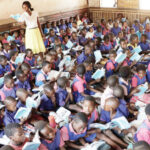
The World Food Programme (WFP) has distributed a total of 38,534.7 metric tonnes of maize to 1.6 million people under the agency’s El Niño response.
This information is contained in a document made available to journalists who were on a media tour last week in the Central and Southern regions of Malawi.
In addition, WFP distributed cash assistance to over 370,000 people.
“WFP has reached over 48,000 beneficiaries with Moderate Acute Malnutrition treatment since September 2024,” the document reads.
WFP has also distributed take-home rations to 89,000 learners and their families in 93 schools and provided emergency hot meals to 256,000 learners.
- Advertisement -
Meanwhile, a one-off initiative has targeted 47,788 metric tonnes of maize under the Contingency Emergency Response Component, which is a part of World Bank financing designed to provide rapid funding in the event of a natural disaster or emergency.
Government estimates show that El Niño negatively impacted 44.3 percent of the national maize crop.
On March 23, 2024, President Lazarus Chakwera declared a state of disaster in 23 of Malawi’s 28 districts due to severe El Niño conditions.
A prolonged dry spell in February 2024 struck at the worst time, during the key growing phase for crops, affecting 44 percent of the national maize crop.
- Advertisement -
- Advertisement -
As a result, 6.1 million people faced acute food insecurity, particularly in southern and central Malawi.
Most people in this phase cannot produce enough food for themselves and rely on market purchases to meet their food needs.
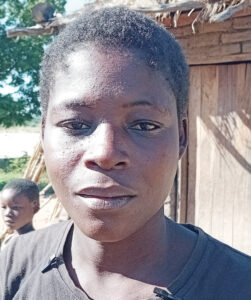
One of them is Chanaziwanki Andrea of Mvula Village, Traditional Authority Ndakwera in Chikwawa District, who has since thanked WFP for the food rations of a 50-kilogramme bag of maize that she received in a one-off initiative.
“We receive food because we are vulnerable. It is difficult for us to find food. The impact of El Niño was huge. It affected almost every household in this village. We used to survive through packs of maize sold to us per kg,” she said in an interview at her home village.
A one-off extended distribution started in June, where WFP reached 48,596 households in Chikwawa District, representing 59.67 percent of 81,441 households in the district.