By Pemphero Malimba:
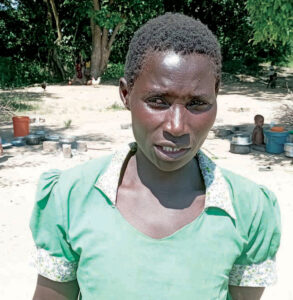
Before raging flash floods flattened houses and killed six people in Dwangwa, Nkhotakota, Patuma Tambala had never thought she would be forced to involuntarily stay elsewhere apart from her home.
Today, she wakes up at daybreak every day at Lunga Camp in Traditional Authority (TA) Mphonde where she escaped to after the floods destroyed her home.
“My children and I were stranded. We had nothing to hold on to,” Tambala, 38, says.
She, her husband and nine of their 11 children are among over 600 survivors who are seeking shelter at the camp in the wake of the disaster that overwhelmed Dwangwa last month.
- Advertisement -
It affected 16,415 people of which over 10,000 are staying in eleven camps spread in different areas.
“At the time of the incident, I was away from home. I heard about the news from my husband who told me we had lost everything in the floodwaters. They were also in desperate need of a boat to take them to safety,” Tambala recalls.
At the camp, life has not been easy for her family.
They can no longer have meals in the privacy of their homes. Here, they have to eat together in groups, sometimes among strangers.
- Advertisement -
- Advertisement -
“The food is rarely enough. Sometimes we have porridge for breakfast and nsima for lunch. Later, we try as much as possible to look for other foods,” Tambala says.
Her biggest worry is how the family will rebuild its razed-down houses.
She admits it will not be easy to start from scratch and get back to their normal lives, as they largely rely on farming for economic sustainability.
“Our crops have been washed away, and we will not have anything to sell after the harvesting period,” Tambala laments.
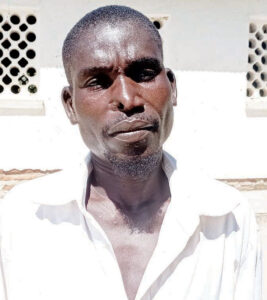
Another survivor, 49-year-old Issah Khosa, who also escaped to Lunga Camp, is anxious about how his family will get back on its feet.
The father of six is banking his hopes on the government.
“My family is ready to relocate to safer areas if government can provide us with land where we can construct new houses and grow crops,” Khosa says.
He further indicates that the four tents at the camp—two for men and boys and two others for women and girls—are not enough to optimally cater for the horde of people.
“We need support so that we can leave the camp as soon as possible,” Khosa says.
Member of Parliament for Nkhotakota North Henry Chimunthu Banda, whose constituents are among those affected by the floods, calls for proper recording of the survivors’ details.
Chimunthu Banda says such acts can help in assisting them in their rebuilding endeavours.
“Details of most of the affected people have not been properly recorded. Thus, some people are reluctant to move out of the camps to start rebuilding their houses because they fear they will be forgotten,” the parliamentarian says.
On the other hand, Chimunthu Banda suggests that the registration should go beyond people.
He says there are school blocks, bridges and roads that have been affected and that having their information in the hands of authorities would help in rehabilitation or rebuilding efforts.
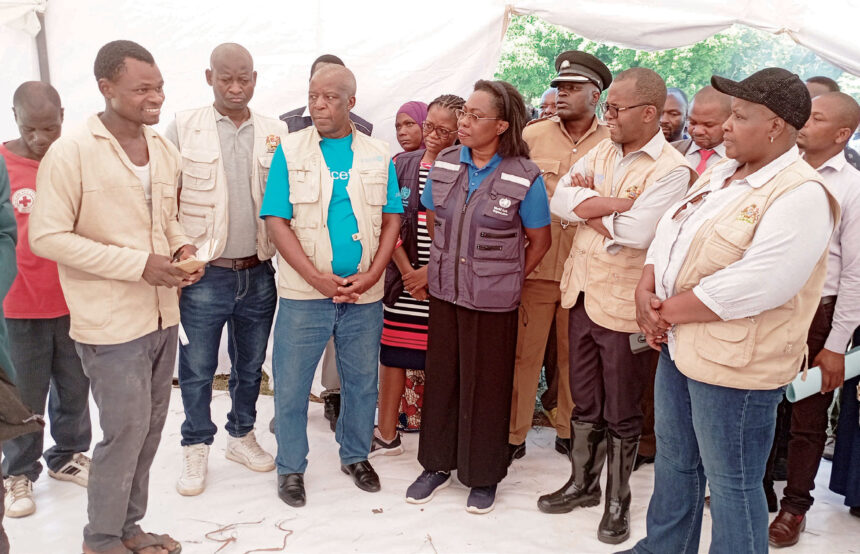
On her part, Health Minister Khumbize Kandodo Chiponda is optimistic that the survivors will rise to their feet again as soon as possible.
“Through the Department of Disaster Management Affairs, we are working on recovery processes because it is important for the people to go back to their normal lives,” Kandodo Chiponda said after touring the camps in Nkhotakota.
She was in the company of World Health Organisation officials and others.
The minister indicated that the government is working with partners to make sure services, including health care, are being provided to the survivors in the camps.
The flooding in Nkhotakota came hot on the heels of prolonged dry spells that had hit some parts of the country due to El Nino conditions.
Dozens of families were also affected by floods in Karonga, Rumphi and Mzimba, which came in the wake of incessant rains that had fallen in their areas.
Currently, Malawi is still reeling from the impacts of Tropical Cyclone Freddy, the longest-lasting storm on record, which killed at least 1,200 people and displaced more than 650,000 others.
The cyclone also caused massive damage to infrastructure and crops in the Southern Region, where it made landfall in March last year, bringing in six days rains which should have fallen in six months.