




The Malawi Environmental Protection Agency (Mepa) has fined Coal & Minerals Group, a local firm, K15 million and ordered it to suspend operations at its coal mine in Kilipula in Karonga District until it fulfils a raft of maintenance activities at the mine.
Mepa’s crackdown comes days after another government agency, the Mining and Mineral Regulatory Authority (MMRA), suspended the company’s mining licence.
The actions follows findings that the company has been breaching environmental and mining regulations through its mining activities that are putting at risk the health of the public and environment in Kilipula.
Initial investigations found that apart from storm water draining coal effluent into the river, the company was also deliberately draining coal waster into Kasantha and Chingwina rivers.
- Advertisement -

Triggering the action was a video clip that went viral on April 2 showing water turning black in Kasantha River.
- Advertisement -
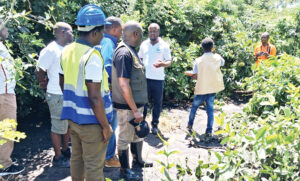
Immediate investigation from the District Council Monitoring Team confirmed coal waste contamination.
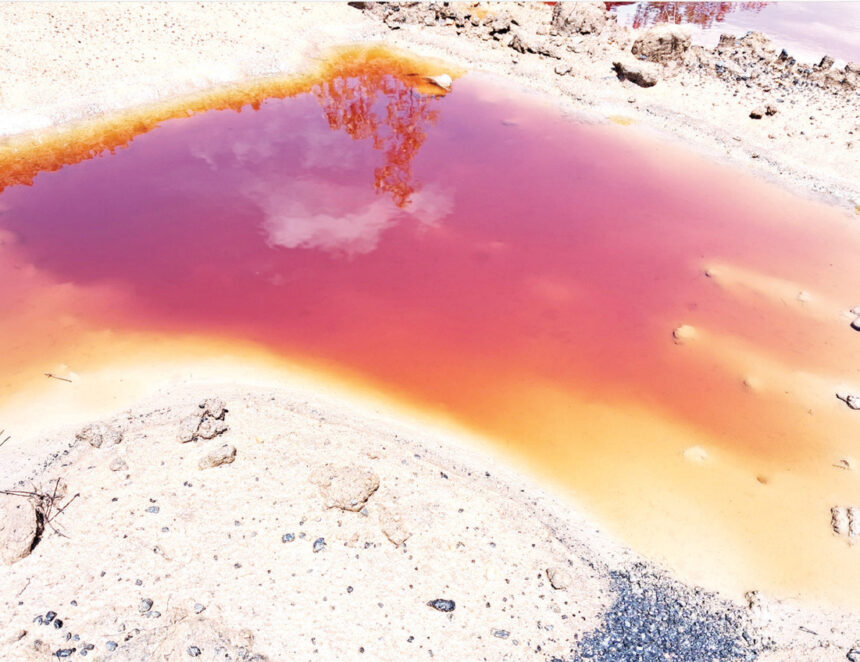
Now a more detailed Mepa report also shows that investigators found uncontrolled runoff of coal waste effluent into Kasantha River which is a lifeline for communities for water for home use, livestock and crop irrigation.
“Brownish effluent discharge with a foul odour was observed. Surface and groundwater exhibit acidic conditions, signalling potential acid mine drainage risk.
“Samples have been collected and await laboratory analysis to confirm contamination levels,” reads the report.
- Advertisement -
The investigation also found that the miner did not have any waste handling systems in place such that coal waste was being disposed anyhow, making it easy for rainstorm to wash it down into the rivers.
According to the report, local residents reported coal dust contaminating drinking water and the mine’s heavy traffic damaging roads in the area.
“The inspection reveals significant non-compliance with environmental, engineering and regulatory requirements, including poor site design, uncontrolled effluent discharge, and inadequate tailings management.
“These failures have resulted in confirmed risks to surface and groundwater quality, with evidence of acidic contamination and potential acid mine drainage,” reads the report.
It adds that the absence of key permits, environmental management plans, and safety structures further reflects weak institutional and operational controls.
“Community concerns and limited stakeholder engagement also indicate growing social risk,” it says.
Mepa has since fined the firm K15 million for a set of breaches and directed the company to undertake a series of clean-up measures before operations can resume.
Soon after the video went viral, Managing Director of the Coal & Minerals Group, Manowa Mkandawire, told The Nation that the company was aware of the concerns from the community with regard to operations at the mine.
“We are aware of the concerns being raised by the community members regarding Kasantha River and surrounding farmland.
“At this stage, we have initiated a thorough assessment to better understand the situation and establish the facts,” Mkandawire was quoted as saying.
Julius Ngoma, National Coordinator for Civil Society Network on Climate Change, said the type of contamination can persist for years, affecting drinking water, agriculture, livestock and aquatic life for a long time.
He said the case reflect not only the company’s failure but also of the regulatory institutions.
“When companies ignore communities and regulations, conflict is unavoidable. This is a failure of both the company and monitoring systems,” he said.
It is not the first time that coal mines in the region have been found to be in breach of mining and environmental regulations, endangering the health of the environment and the public.
In October 2022, Malawi News exposed how two coal mine in the two districts of Karonga and Rumphi exposed workers and communities to injustices ranging from sordid labour conditions and extensive damage to the environment.
Our story formed the basis of an investigation by the Malawi Human Rights Commission which confirmed our findings and recommended various actions from the government agencies, including heightened monitoring of mining operations at the two sites.