The National Debt Coalition has proposed the enactment of a Debt Management Bill to help contain the country’s growing public debt, currently estimated at K23.9 trillion or 90.9 percent of the country’s Gross Domestic Product.
The coalition, a grouping of civil society organisations advocating for transparency and accountability in public finance, warned that Malawi’s rising debt poses a significant threat to economic stability, public service delivery and trust in government institutions.
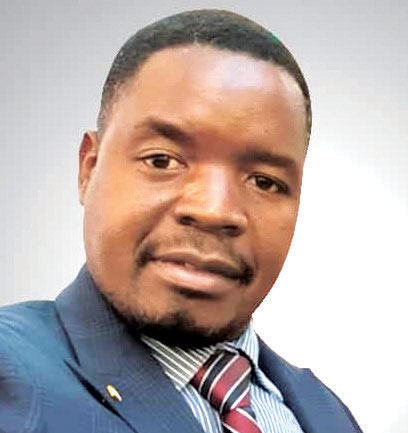
Speaking after an engagement with Speaker of Parliament Sameer Suleman, the coalition’s policy analyst Mavuto Bamusi said the country currently lacks a comprehensive legal framework for debt management.
Bamusi said the absence of such legislation makes it difficult for controlling officers, lawmakers and the government to take appropriate measures to ensure borrowing remains aligned with macroeconomic conditions.
He urged Parliament to urgently table a Debt Management Bill that would establish a robust legal framework for overseeing public debt.
- Advertisement -
“Malawi lacks an independent debt management and disposal structure. This situation makes it difficult to monitor debt and prevent it from rising to unsustainable levels,” Bamusi said.
“The current debt and aid management systems in government and Parliament lack independence, and there is no rigorous mechanism for scrutinising debt management,” he added.
Bamusi recommended the creation of an independent Debt Management Commission (DMC), with members nominated through public participation, to enhance oversight and sanction noncompliant authorities.
He said the coalition stands ready to work with Suleman and Parliament, adding that civil society organisations are prepared to support legislative oversight on public debt.
- Advertisement -
- Advertisement -
Bamusi said such collaboration would strengthen accountability and ultimately promote sustainable development in the best interests of Malawians.
Suleman said CSOs play a critical role in Malawi’s development.
He said was the engagement was aimed at strengthening cooperation between Parliament and civil society.
Suleman noted that while Parliament and CSOs have long worked together through committees, there has been no formal platform for structured dialogue.
He said the meeting was intended to make the relationship more coordinated and sustainable, while also allowing him to outline his vision.
According to Suleman, Malawi’s development agenda, including Malawi 2063 and its first implementation plan (MIP1), cannot be achieved without civil society.
CSOs, he added, are well placed to take these policies to grassroots communities, particularly in rural areas where they work closely with citizens.
Speaking when he presented the 20262027 national budget, Finance Minister Joseph Mwanamvekha also highlighted the scale of the public debt challenge.