By Patience Lunda:
A report by United Nations (UN) agencies Food and Agriculture Organisation (FAO) and the World Food Programme (WFP) has called for urgent humanitarian action in 16 hunger hotspots, covering a total of 22 countries, including Malawi.
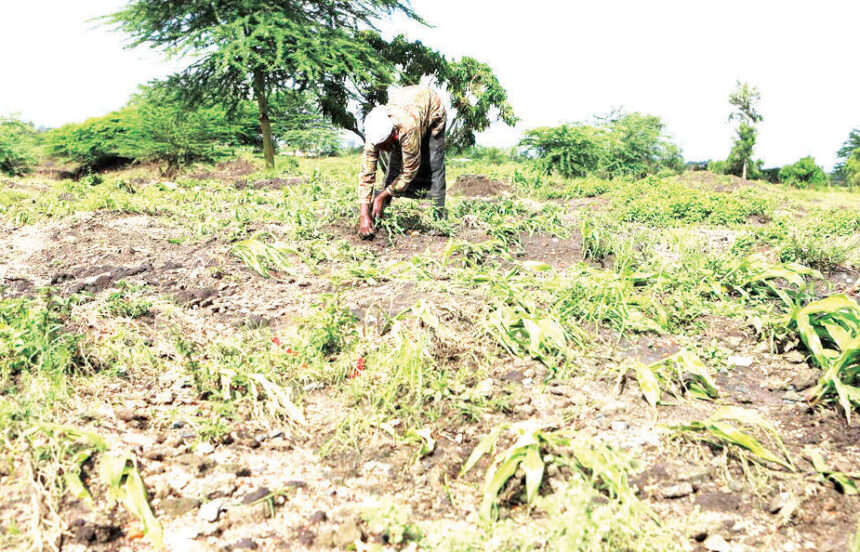
The report, titled ‘Hunger Hotspots FAO-WFP Early Warnings on Acute Food Insecurity: November 2024 to May 2025’, attributes the food insecurity situation in Malawi to the El Niño-induced drought experienced this year, alongside macroeconomic challenges.
The hotspots are categorised into three levels of concern: ‘hotspots of highest concern’ (Category Three), ‘hotspots of very high concern’ (Category Two) and ‘hotspots of concern’ (Category One).
Malawi falls into Category Three, alongside countries such as Burkina Faso, Niger, Somalia, Zambia and Zimbabwe.
- Advertisement -
According to the UN agencies, food insecurity levels could further escalate during the outlook period due to multiple overlapping drivers, including economic shocks, extreme weather events, climate variability, conflict and organised violence.
“Targeted humanitarian action is urgently needed to save lives and livelihoods in all 16 hunger hotspots.
“The selections of hunger hotspots were based on consensus among food security experts and conflicts, economic and natural hazards analysts from both FAO and WFP at headquarters in the field,” the report reads.
Additionally, the report notes that low domestic supplies of maize are exerting pressure on food prices in Malawi.
- Advertisement -
- Advertisement -
Currently, the Department of Disaster Management Affairs (Dodma) is distributing maize and cash to hunger-stricken households across the country.
This is after a Malawi Vulnerability Assessment Committee report indicated that approximately 5.7 million people in the country will face hunger during the lean season.
Commenting on the report, Livingstonia Synod Development Department Executive Director Kenneth Sakala said that maize distribution alone will not be sufficient.
Sakala suggested that there is a need for the government to also increase social cash transfers to cover the months when the maize supplies would be depleted.
“There is a need to combine livelihood support and resilience-building efforts if people are to be saved from hunger. The maize will run out at a time when hunger will be at its peak so the social cash transfers will help households purchase food independently,” he said.
Following El Niño-induced floods and prolonged dry spells, President Lazarus Chakwera declared a state of disaster on March 23, 2024 and appealed for both local and international support for those affected.
On Monday, Dodma said that a total of K314.06 billion in cash and in-kind assistance has been mobilised since March this year to support households affected by the El Niño events.