By Pemphero Malimba:
Malawians are describing 2024 as a challenging year, citing persistent economic instability that severely impacted their daily lives and businesses.
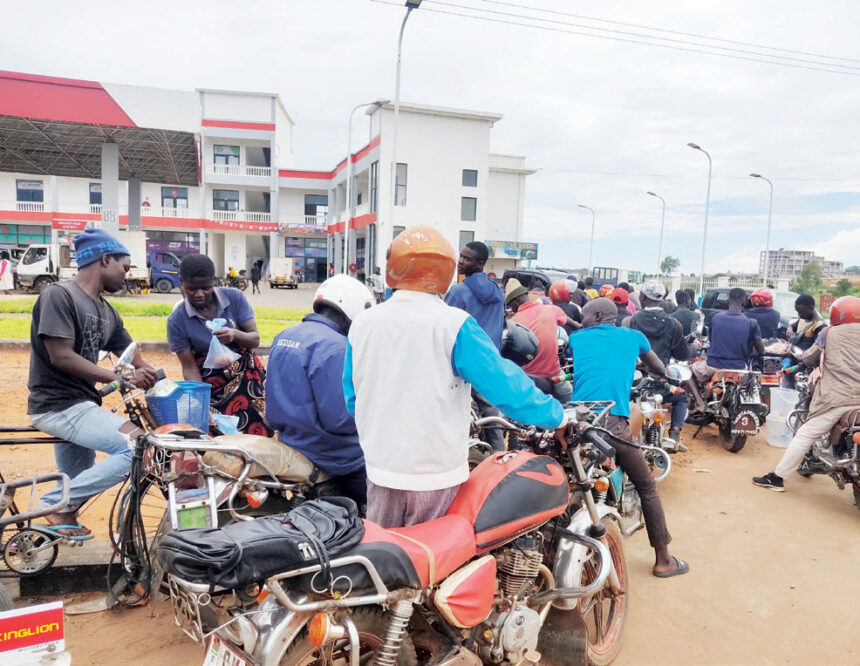
Random interviews conducted by The Business Times uncovered that top on the list of challenges is the persistent foreign exchange shortages, inflation, and the never-ending fuel crisis
“Our economy remains challenged. Banks lack forex while it’s available in parallel markets, leading to increased exchange rates. The unstable inflation rate and fuel crisis have strained businesses and living standards,” Yamikani Muha, a Blantyre resident and student at Lilongwe University of Agriculture and Natural Resources said.
Small business owners particularly felt the economic pressure.
- Advertisement -
Zione Banda, who operates a restaurant at Ntcheu Bus Depot, reported significantly reduced profits due to constantly rising costs of raw materials.
In Zomba, Antony Matiki, a fresh fish vendor at Chinamwali market, described the year as unforgettable due to the falling Kwacha’s impact on basic necessities such as maize and fertilizer.
“It was never easy in 2024. Whether you talk about job opportunities or businesses, nothing is working. The lack of money has made life miserable for many,” Hastings Dumba, a motor vehicle mechanic from Chinsapo, Lilongwe said.
However, despite the challenges, some residents acknowledged positive developments.
- Advertisement -
- Advertisement -
Muha noted improvements in Lilongwe’s infrastructure, including new road configurations with two and three lanes, and relatively stable electricity supply early in the year.
However, many citizens like Frank Kazembe, a vendor from Likuni Township in Lilongwe, remain skeptical about the immediate future.
“With the way things are going, it’s hard to have high hopes for 2025,” he said.
During the recent mid-term budget review presentation to Parliament, Finance Minister Simplex Chithyola Banda reassured the public of the government’s commitment to economic stability and prudent management of funds.
Parliament subsequently passed a revised K6.04 trillion national budget, up from K5.99 trillion.