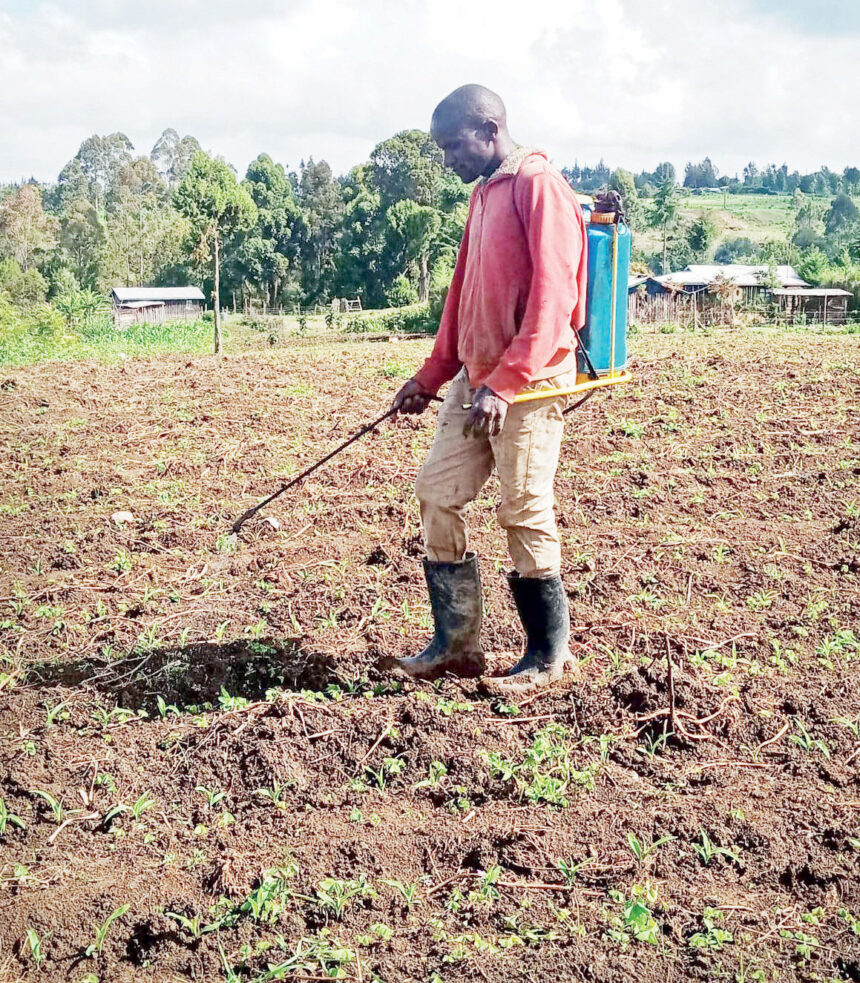
Researchers have found that modern technologies in crop production have yet to make a substantial impact on Malawi’s agricultural sector.
Researchers have found that modern technologies in crop production have yet to make a substantial impact on Malawi’s agricultural sector.
However, among the methods designed to simplify agricultural production amidst a shrinking workforce, herbicides are increasingly favoured by both smallholder and commercial farmers in Malawi.
Herbicides are chemicals used to kill or inhibit the growth of weeds and other unwanted plants in fields.
Over the past decade, their use has risen among farmers. Plant pathologist Misheck Soko reported a largely positive response sometime back.
- Advertisement -
“Herbicides are particularly used in hot regions like Salima and Chikwawa, where fertile soils lead to significant weed growth. Manual weeding is labour-intensive, so farmers prefer chemical solutions,” Soko said.
A study by the Innovation Lab for Food Security Policy (ILFSP) on herbicide use in Sub-Saharan Africa found that, although chemical weed control has historically been minimal in Africa, recent evidence suggests that herbicide use is now reaching high levels and may be on the rise.
However, the study revealed that herbicide usage in Malawi remains low—around one percent—while countries like Ghana have seen usage surge to 55 percent in just a few years.
“The results indicate that the increased use of herbicides is driven by heightened awareness, availability and demand from more affluent, commercially oriented households.
- Advertisement -
- Advertisement -
“This trend is observed in areas with rising agricultural productivity and where the opportunity cost of labour is higher,” the survey noted.
Soko acknowledged that although herbicide use is growing in Malawi, the high cost of chemicals limits smallholder farmers’ ability to fully capitalise on their benefits.
Conversely, the effectiveness of herbicides is clear to those who use them.
“Herbicides are highly effective when used correctly, just like any other chemical. For smallholder farmers, the expense can be prohibitive.
“However, commercial farmers, who are quick to adopt effective methods, widely use herbicides. Their adoption indicates the chemicals’ efficacy,” Soko explained.
With the rising demand for herbicides, many chemical companies and agro-dealers have entered the market, capitalising on the technology that reduces manual labour in crop production.
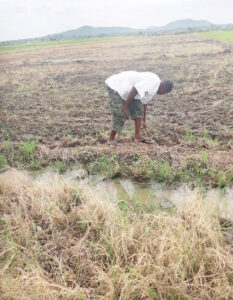
Frank Nandolo, a smallholder farmer from Mwamadi Village in Mulanje and a member of a farmers’ club under One Acre Fund, has never used herbicides due to a lack of proper advisory services.
Although he has observed other farmers using them, his limited understanding of their potential discourages him from trying them himself.
“Perhaps if I received more information on how to use these chemicals and their effects, I might consider using them. For now, I am hesitant because crop production is delicate and unnecessary risks are not advisable,” Nandolo says.
Elena Phiri, a member of the Farmers Union of Malawi based in Nkhotakota, uses herbicides and finds them effective.
Her farms are frequently infested with weeds, making manual removal with a hoe impractical. However, she notes that herbicides also have their issues.
“Sometimes, weeds regrow even before I harvest my crops. Additionally, protecting ourselves from the chemicals is challenging and we occasionally develop skin rashes,” Phiri notes.
Experts attribute such problems to insufficient knowledge of herbicide use and encourage farmers to seek advice from extension workers in their areas.
Phiri admits that while she has been farming for two decades, she has used agricultural extension services only minimally.
“The extension workers are not as active as they used to be in the past. But in recent years, we are seeing them return to our areas,” she says.
The ILFSP study recommended that policies addressing the rise in herbicide use should include training for farmers on the safe and effective application of these chemicals.
According to a study by the International Food Policy Research Institute, herbicide use can lead to significant increases in crop production.
The study, conducted in 2018, found that herbicides can boost maize yields by up to 30 percent in regions where weed pressure is high.
By reducing competition for nutrients, water and light, herbicides allow crops to grow more efficiently and increase overall productivity.
A report by the Food and Agriculture Organisation of the United Nations also stated that herbicides can reduce the need for manual weeding by up to 90 percent, thereby saving farmers both time and money.
“This allows farmers to allocate resources to other critical areas of their operations,” the report concluded.
Several studies have also found that herbicides can contribute to improved soil health by reducing the need for mechanical weeding, which can cause soil erosion and compaction.
The Conservation Technology Information Centre, based in the United States, explains that herbicides help maintain soil structure and reduce erosion by minimising soil disturbance.
However, herbicides also have drawbacks, with environmental impact being a major concern.
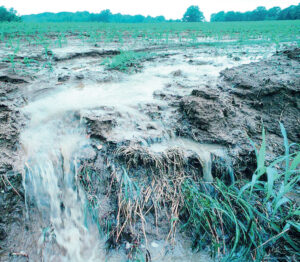
Experts note that herbicides can lead to soil and water contamination, affecting non-target plants and wildlife.
For instance, a study published in Environmental Sciences Europe found that herbicides can leach into groundwater and disrupt aquatic ecosystems, harming fish and other aquatic organisms.
The study further found that herbicide runoff can contribute to the development of herbicide-resistant weed species, complicating weed management and leading to increased use of chemicals.
“There are also potential health risks associated with herbicide use. Exposure to certain herbicides has been linked to various health problems, including respiratory issues, skin irritations, and, in some cases, more severe conditions such as cancer,” agriculture researcher George Bean said.
Some commonly used herbicides have been classified as “probably carcinogenic to humans” based on evidence linking them to certain health conditions.
Researchers advise that proper safety measures and regulations are essential to mitigate these health risks.
Additionally, experts warn that over-reliance on herbicides can lead to the development of herbicide-resistant weed species.
When weeds evolve resistance, they become more difficult to control, requiring higher doses or alternative chemicals.
Overall, experts suggest that a balanced approach to herbicide use, incorporating integrated pest management and sustainable practices, is essential to maximise benefits while minimising drawbacks.
They also caution farmers against accessing the chemicals from unlicensed dealers.
“The market can be rife with uncertified or unlicensed chemicals,” Bean warns. “Farmers must exercise due diligence to ensure they obtain genuine, quality inputs.”