



At 26 years old, Felia Mdala of Group Village Head Somba, Traditional Authority Lundu, in Blantyre District, was thrown into a world of uncertainty when she was diagnosed with gestational diabetes at her 20-week antenatal appointment.
For Felia, the news came as a shock. Not only had she never heard of the condition, but in her community, it was unheard of for a pregnant woman to be diagnosed with what many referred to as “sugar disease”.
“I had never heard about gestational diabetes in my entire life, and there was no one closer to home who had ever been diagnosed.
To be honest, I was scared to death, and I thought I was bewitched and was going to die,” she recalled.
- Advertisement -

Felia’s fear was rooted in a lack of awareness. In many parts of Malawi, especially rural areas, conditions like gestational diabetes are rarely discussed.
- Advertisement -
The stigma surrounding the disease often leads to misconceptions. Many in her community believed that being diagnosed with diabetes during pregnancy was a death sentence or a sign of misfortune.
But the truth is far more complex.
What is gestational diabetes?
Gestational diabetes is a form of high blood sugar affecting pregnant women. The condition occurs when the body cannot produce enough insulin to handle the increased blood sugar levels during pregnancy.
- Advertisement -
According to the World Health Organisation (WHO), between one percent to 14 percent of pregnant women worldwide develop gestational diabetes, depending on the population studied.
However, many women, like Felia, in Malawi are unaware of the condition until they are diagnosed.
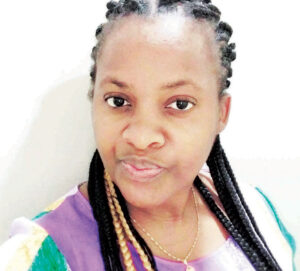
Non-Communicable Diseases Coordinator for Blantyre District Health Office, Dorah Mwafulirwa, explains that gestational diabetes may be caused by various factors during pregnancy, including family history, lifestyle, diet and obesity.
“While you may have had normal blood sugar levels before getting pregnant, during pregnancy, you might lose the ability to control your sugars,” Mwafulirwa says.
According to WHO, women with gestational diabetes are at an increased risk of complications during pregnancy and delivery.
The condition not only affects the mother but can also pose risks to the unborn baby.
These risks include premature birth, high birth weight and an increased likelihood of the child developing type 2 diabetes later in life. For the mother, the likelihood of developing type 2 diabetes after pregnancy is also heightened.
Understanding the risks and management
When Felia’s doctor diagnosed her with gestational diabetes, her immediate response was fear.
But after a detailed explanation, she began to understand that, with the right management, she could still have a healthy pregnancy and baby.
“My doctor informed me that gestational diabetes can often be managed through lifestyle changes such as a balanced diet, regular exercise, and, in some cases, medication like insulin injections,” she said.
And according to Mwafulirwa, gestational diabetes can be prevented depending on the cause.
For those at risk due to lifestyle factors, she advises following a healthy diet and controlling weight, especially before pregnancy.
“Pregnancy naturally causes weight gain; so, if someone is already obese, the extra weight can make them more susceptible to gestational diabetes,” she adds.
However, avoiding gestational diabetes may be more challenging if the cause is related to family history.
The Malawi Ministry of Health has emphasised the importance of antenatal care and screenings to detect conditions such as gestational diabetes early on.
In recent years, they have launched initiatives aimed at increasing awareness on non-communicable diseases (NCDs) in pregnant women.
However, awareness is still low in many communities.
“Women should know that gestational diabetes is manageable.
The earlier it is detected, the better the chances of having a healthy pregnancy,” says Dr. Edith Phiri, a specialist in maternal and child health at Queen Elizabeth Central Hospital in Blantyre.
WHO has also stressed the need for improved education on gestational diabetes, especially in low-resource settings like Malawi.
According to WHO guidelines, regular antenatal checkups are crucial in identifying and managing gestational diabetes. These checkups involve screening for high blood sugar levels and offering guidance on maintaining a healthy diet and physical activity during pregnancy.
The importance of early detection
One of the biggest challenges in tackling gestational diabetes in Malawi is the lack of early detection.
Many women, especially those in rural areas, do not seek antenatal care until later in their pregnancies, which increases the risks to both the mother and baby.
WHO recommends that women receive early and regular antenatal care to identify potential risks such as gestational diabetes.
The Ministry of Health in Malawi has been working no improving access to antenatal services, but more needs to be done to raise awareness and remove the stigma surrounding such conditions.
“Gestational diabetes is not a death sentence. With early detection and proper management, women can go on to have healthy pregnancies and reduce the long-term risks associated with the disease,” Mwafulirwa says.
Mwafulirwa also advises women diagnosed with gestational diabetes to adhere to their doctor’s advice, take any prescribed medication and avoid lifestyles that may worsen the condition.
She notes that most women recover after delivery, but for a few, gestational diabetes may become a permanent condition.