By Deogratias Mmana:
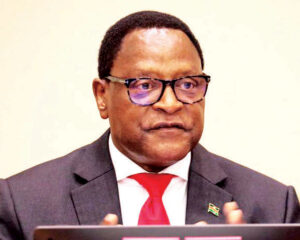
On Tuesday, President Lazarus Chakwera declined to approve the cannabis regulations, popularly known as Chamba Bill, which Parliament passed in March.
All along, the bill has been associated with Malawi Congress Party lawmaker, Peter Dimba, who presented it in Parliament as a private member’s bill.
But the bill was actually the government’s idea and it was the government that sneaked it in, through him.
Potentially, it would have been law by now had faith leaders not advised Chakwera against assenting to it, Malawi News has learnt.
- Advertisement -
Dimba said he took it up because the government was delaying in bringing it to Parliament.
“The Bill was not my idea. It was sponsored by the government, the Cannabis Regulatory Authority, a government body. My coming in was because the government was slow. I took it up together with the government leadership and some ministers,” Dimba said.
Minister of Finance Simplex Chithyola said last year during mid-term budget review that local cannabis cultivation is one of the government’s strategies for economic recovery and growth.
Chithyola then said chamba could rake in as much as $700 million annually if exported.
- Advertisement -
- Advertisement -
Faith leaders’ role
Dimba said the bill will be taken back to Parliament after consultations with a number of stakeholders including faith leaders who he said told Chakwera not to assent to it.
“We intend to talk to the faith leaders, make them understand that the bill is not meant to legalize chamba for smoking and bring it back to Parliament where it enjoys massive support among the parliamentarians who are keen to see their country economically develop and create employment mainly for the youth and generate the much needed forex,” Dimba said.
Dimba admitted that the faith leaders were left out during the consultations for the bill.
He said it is necessary to engage them as they are the gatekeepers of the nation’s morality.
Questions and more questions
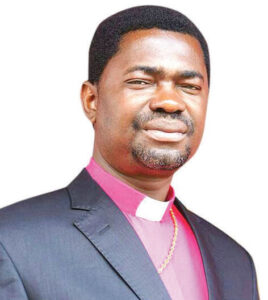
Chairperson of Evangelical Association of Malawi Archbishop Mark Kambalazaza said the government apologised for not conducting awareness over the bill.
Kambalazaza also wondered whether the law would be in the interest of the poor man.
“The laws of Malawi should not only benefit the elites but all Malawians. That is a must. The law is only excellent when leaders look at the benefits of the last man.
“Will this bill benefit the last person or not? How can the house make the laws beneficial to the last citizen? That is the cause for the great Parliament,” Kambalazaza said.
He had more questions to the lawmakers and to the government.
“The industrial hemp distribution of licenses, who gets them? Will local farmers get them also? Shall they have strict control to avoid the weed from being smoked and avoid national calamity that breeds drug lords and crime infestation?”
At its passing in March, opposition Democratic Progressive Party (DPP) MPs walked out of the house in protest at the lack of consultations over the bill.
DPP spokesperson on the matter Yusuf Nthenda said before passing the bill, there needed to be benchmarking and wider consultations among local leaders.
“Well, chamba issue brings about controversies in our society and when there are proposals to make a law around this issue there is need to do thorough and wide consultations.
“We also need to make the local leaders understand the intention of the legislators so that all these misconceptions are ironed out,” Nthenda said.
He warned the government against bringing the bill back before such consultations are conclusive.
Centre for Human Rights and Rehabilitation (CHRR) said the rejection of the bill, the second within a year, is an indication that Parliament is failing in its oversight role.
In December last year, Chakwera also turned down the Political Parties Amendment Bill which Parliament passed.
“Such important bills need to be critically scrutinised before they are passed into law. It is an embarrassment to parliament when bills are repeatedly rejected by the President,” Kaiyatsa said.
He also took on Leader of the House for failing in his duties.
“The fact that two bills were rejected in one year also raises questions about the Leader of the House. One wonders whether he is on top of issues. This is considering that as Leader of the House he has a large say not only in shaping Parliament’s overall agenda but also in determining how bills are tabled
“The fact that one of the bills rejected was inconsistent with the constitution suggests he may have been sleeping on the job or is not fully in control. And some legislators walked out of the house when the Chamba Bill was tabled. One would say it was bulldozed, which also reflects badly on the Leader of the House,” Kaiyatsa said.
Leader of the House Richard Chimwendo Banda did not comment on the accusations from Kaiyatsa. But he admitted that the bill was government’s but did not follow the normal procedure that the ministry follows, hence brought in as a private member’s bill.