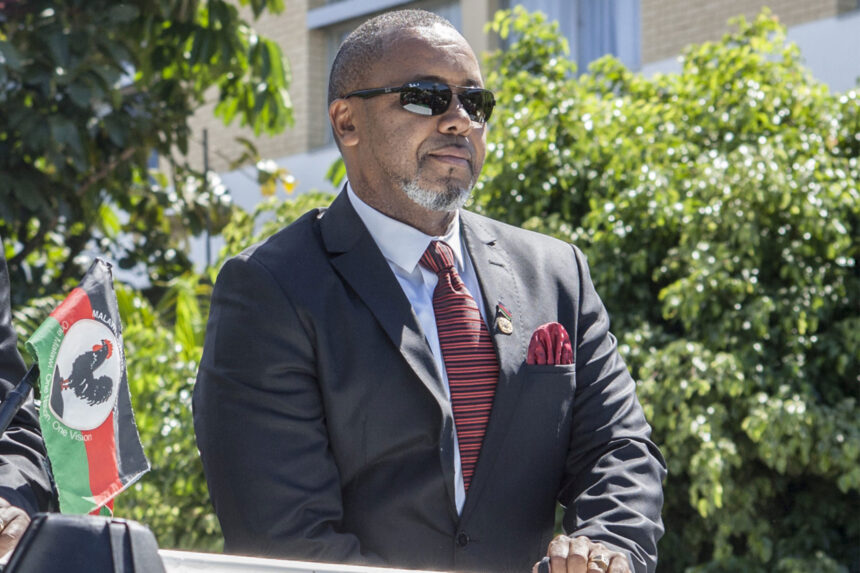

In Malawi, social media has become vital for communication and civic engagement, leading to intense debate over government attempts to regulate online content.
The challenge of balancing public order with free speech deeply impacts the daily lives of Malawians.
As the government intensifies its crackdown on social media, a diverse range of voices—including lawyers, citizens and activists—are voicing concerns about the implications for freedom of expression.
Over the past decade, internet connectivity and social media usage in Malawi have surged.
According to the Malawi Communications Regulatory Authority, internet penetration increased from six percent in 2010 to over 30 percent in 2023.
- Advertisement -
This growth has transformed social media into a powerful tool for political discourse and social interaction, prompting the government to introduce regulations aimed at controlling online content.
In 2023, President Lazarus Chakwera signed the Cybersecurity Act into law, granting the government extensive powers to monitor and control digital communications, including prosecuting individuals for “harmful” online content.
While the law aims to curb misinformation and cyber threats, it has raised concerns about its potential impact on free speech.
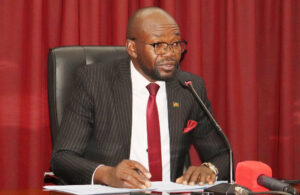
Minister of Information Moses Kunkuyu defended the Act, stating that its primary goal is to safeguard public order and security.
- Advertisement -
- Advertisement -
“The rise in online misinformation and hate speech has necessitated a regulatory framework to address these challenges effectively,” Kunkuyu said.
However, many fear that its broad scope could stifle dissent and suppress political opposition.
High-profile arrests have underscored these concerns, including those of politician Kamlepo Kalua, Reverend Chimbirima Gondwe and activist Bon Kalindo, all accused of suggesting that the death of Vice President Saulos Chilima in a plane crash on June 10, 2024, was not accidental.
Their arrests have ignited debates about the extent of State control over online discussions.
Lawyer Chrispin Chima argues that people have opinions and the State should avoid regulating how individuals debate issues.
“If someone claims the crash was an accident, would they also be arrested?” Chima queries.
He warns that the law’s vague language could lead to overreach, allowing authorities to suppress legitimate criticism and persecute individuals exercising their right to free speech.
Chima believes the law should focus on pressing issues, such as enhancing cybersecurity measures to protect businesses from breaches and ensuring consumer protection against fraud.
The lawyer worries that law enforcement is more inclined to target dissenting voices than to address urgent cybersecurity concerns.
These concerns are echoed by the Malawi Human Rights Commission, which has previously warned of the potential misuse of the law.
“While we recognise the need to address misinformation, the Act’s broad definitions could infringe on basic freedoms,” the commission said, calling for a balance between security and civil liberties.
For many Malawians, the Act’s impact is felt personally. Fred Chombe, a social media user from Blantyre, reports feeling unable to share his thoughts freely after witnessing others targeted for dissenting views.
“It feels like we are walking on eggshells and this fear silences important conversations about our country’s future,” Chombe says.
Journalist Chimwemwe Phiri notes what he calls a chilling effect on public discourse, with a decline in individuals willing to voice critical opinions on sensitive issues.
The government maintains that the cybersecurity law is essential for curbing the perceived threats of misinformation and cybercrime.
“Malawians have the liberty and responsibility to express themselves within the confines of the law. If any aspects of the law are deemed harsh, there is the freedom to call for its repeal; however, while it is in force, it must be adhered to,” Kunkuyu insists.

Gift Trapence, chairperson of the Human Rights Defenders Coalition, urges the government to uphold free speech as a cornerstone of democracy and enforce laws objectively and fairly.
The Electronic Transactions and Cybersecurity Act addresses offences related to computer systems and information and communication technologies, including provisions for investigating electronic evidence.
The government argues that this law is part of a broader strategy to enhance cybersecurity and protect national interests.
Some experts assert that while the law has contentious provisions, it is crucial for safeguarding sensitive information.
Amnesty International has critiqued the Act for its vagueness, warning that it could infringe on human rights.
As Malawi navigates the complexities of internet regulation and free speech, there is an urgent need for dialogue and reform. The Media Institute of Southern Africa has been advocating for such discussions.
According to a recent report on global cybersecurity by the International Telecommunication Union, Malawi has made progress in cybersecurity measures since 2021.
The report details that Malawi scored well in legal and organisational measures, but there is room for improvement in technical, capacity development and cooperation measures.
In Africa, only a few countries are considered role models in cybersecurity commitment, while Malawi, along with 14 others, indicates the establishment of cybersecurity commitments.