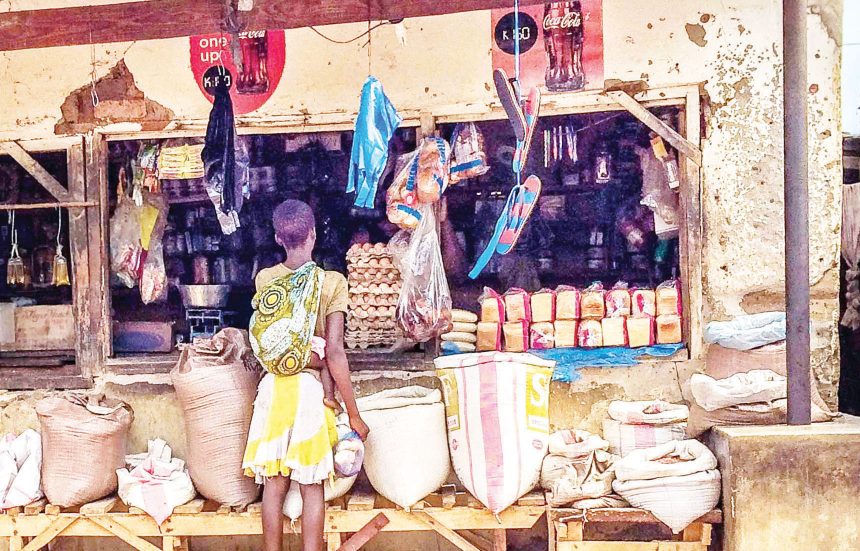

Pressure continues to mount on consumers as the cost of living continues to soar with headline inflation—the rate at which commodity prices change at a given period in an economy— hit a record 29.2 percent in May 2023.
This is a 0.4 percentage point increase from 28.8 percent recorded in April.
The month-on-month rise in the headline inflation is attributed to a rise in food prices as figures from the National Statistical Office (NSO) show that food inflation registered a 0.9 percentage point rise from 37.9 percent in April to 38.8 percent in May.
However, non-food inflation declined by 0.1 percentage point from 18.5 percent in April to 18.4 percent in May.
Headline inflation has been on an upward spiral in the past three years, from 7.6 percent in August 2020.
- Advertisement -
In its recent Monetary Policy Committee (MPC) statement, the Reserve Bank of Malawi (RBM) also feared the inflation outlook remains mixed as an elevated inflation risk is still imminent.
This projection is attributed to the relatively lower food crop production as maize output is customers can pay for their desired items in instalments before collecting them,” Moyo said.
According to SME Chamber Executive Director James Chiutsi, Moyo’s case is one among many.
It is true that the economy is not doing well which has affected business performance and has resulted in an increase in bad loans and delayed payment on goods supplied and services rendered.
- Advertisement -
- Advertisement -
He said the government is the major culprit.
“The problem does affect SMEs growth because they really depend on the funds generated within the business for re-investment as there are limited sources of financing,” Chiutsi said.
Small and Medium Enterprises Development Institute (Smedi) Business Information and Advisory Services Manager Elias Kanongola said bad debt reduces liquidity for SMEs, which may eventually lead to closure of the business which in turn reduces wealth and job creation.
He said bad debts cause low liquidity levels leading to business closure, as a result of failure to pay creditors, failure to pay staff salaries in time and failure to pay loans.
“When an SME has bad debts, paying creditors becomes a problem. Creditors that are not paid lose trust in SMEs such that future supply of goods and services on credit becomes a problem. This affects business stock levels in the form of raw materials or finished goods.
“Low stock levels create customer dissatisfaction. Customer dissatisfaction reduces customer loyalty thereby causing customers to start buying from competitors. Such competition reduces SMEs sales volumes and can lead to low, no or negative profitability. When a business persistently makes losses, it can finally close down,” Kanongola said.
He added that it is imperative and important for debtors to be paying SMEs within 30 days so that they become a vibrant sector, instrumental to create wealth and jobs thereby contributing positively to the economic development and growth of the nation.