By Wezzie Gausi:
The Government of Japan has committed about $246,666 to projects aimed at improving access to clean water, food security and economic opportunities for refugees and surrounding communities at Dzaleka Refugee Camp in Dowa District.
The support comprises $140,000 being implemented through the United Nations High Commissioner for Refugees (UNHCR) for the provision of water, sanitation and hygiene services and $106,666 through UN Women to strengthen food security and economic resilience among female refugees.
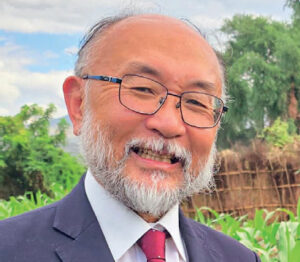
Japanese Ambassador to Malawi Naito Yasushi said during a visit to the camp yesterday that the assistance was intended to respond to immediate humanitarian needs while helping refugees become more self-reliant.
“Japan is pleased to provide humanitarian assistance to address the pressing needs of refugees and the host community at Dzaleka Refugee Camp,” Yasushi said.
- Advertisement -
Under the UNHCR component, the project is expected to benefit more than 30,000 people.
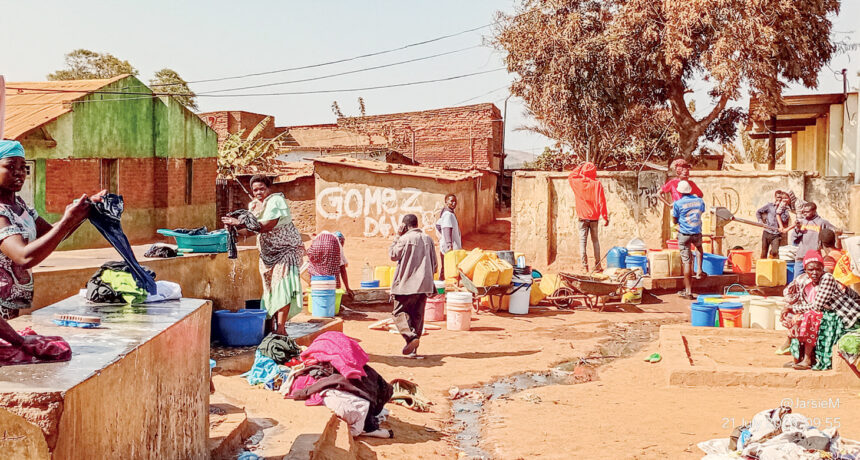
It includes upgrading the New Katubza water system, drilling and solarising a borehole that is expected to improve access to clean water for about 5,000 people, and hygiene promotion activities targeting up to 30,000 people.
According to the project documents, the camp currently hosts about 63,000 refugees and asylum-seekers, despite having originally been designed for between 10,000 and 12,000 people.
Meanwhile, the $106,666 UN Women project will run for one year and targets 300 refugee women, with activities focusing on bio-organic fertiliser production, climate-resilient agriculture and sustainable livelihoods.
- Advertisement -
- Advertisement -
As part of the project, Japan and UN Women have supported the establishment of a bio-organic fertiliser production unit at Dzaleka in partnership with Solidarity of Refugee Women for the Social Welfare.
The unit uses technology introduced through Japanese firm Tokyo8 Global.
UN Women Country Representative Fatma Abdelkarim Mohamed said local fertiliser production could help women generate income while contributing to Malawi’s wider efforts to reduce dependence on imported agricultural inputs.
“Economic empowerment of more than half of the population, particularly the most disadvantaged, is a critical pathway to Malawi’s resilience and inclusive economic growth,” Mohamed said.
Commissioner for Refugees General Ignacio Maulana welcomed the interventions.