The World Health Organisation (WHO) has welcomed the latest findings from the Purpose 2 trial on long-acting injectable lenacapavir (LEN) for HIV prevention.
LEN is being explored as a potential long-acting pre-exposure prophylaxis (PrEP) for HIV prevention.
WHO notes that an interim analysis, announced on September 12, 2024, demonstrated the drug’s remarkable efficacy in preventing HIV.
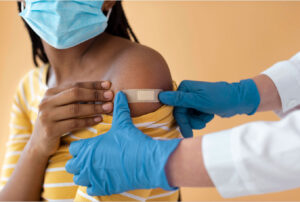
LEN, an HIV-1 capsid inhibitor delivered by subcutaneous injection twice a year, was shown to be highly effective in preventing HIV among cisgender men, transgender men, transgender women and gender non-binary individuals who have sex with partners assigned male at birth.
“The Purpose 2 trial reported a 96 percent reduction in the risk of acquiring HIV among study participants, with 99.9 percent of individuals using LEN not acquiring HIV,” WHO states.
- Advertisement -
It adds that lenacapavir demonstrated a 96 percent reduction in HIV incidence compared to background HIV incidence and was 89 percent more effective than daily oral TDF/FTC, a combination of two antiretroviral medications, in preventing HIV acquisition.
The combination is commonly used as a treatment for HIV and as a PrEP for individuals at high risk of HIV infection
According to the health agency, the findings build upon earlier results from the Purpose 1 trial, which demonstrated LEN’s efficacy in preventing HIV among cisgender women in sub-Saharan Africa, with zero infections among women receiving the injectable.
WHO further states that together, the results from Purpose 1 and Purpose 2 provide compelling evidence for the potential of LEN to transform HIV prevention globally across diverse populations.
- Advertisement -
- Advertisement -
“It is important to note that oral PrEP is safe and effective in preventing HIV when taken as indicated.
“LEN’s twice-yearly dosing offers a significant advantage for people who face challenges with adhering to daily oral PrEP, including stigma and discrimination, pill fatigue and challenges with consistent access to medication,” the United Nations agency says.
Meanwhile, WHO has stated that it is also working rapidly to convene a guideline development group with experts, ministries, partners and communities.
“This group will develop and issue guidelines based on a rigorous assessment of the potential of LEN for HIV prevention, evaluating key aspects such as efficacy, safety, cost-effectiveness, values and preferences from stakeholders and communities and global scalability, among others,” it says.
Earlier this year, Malawi adopted the use of long-acting injectable PrEP as one of the tools to accelerate the elimination of HIV as a public health threat by 2030.

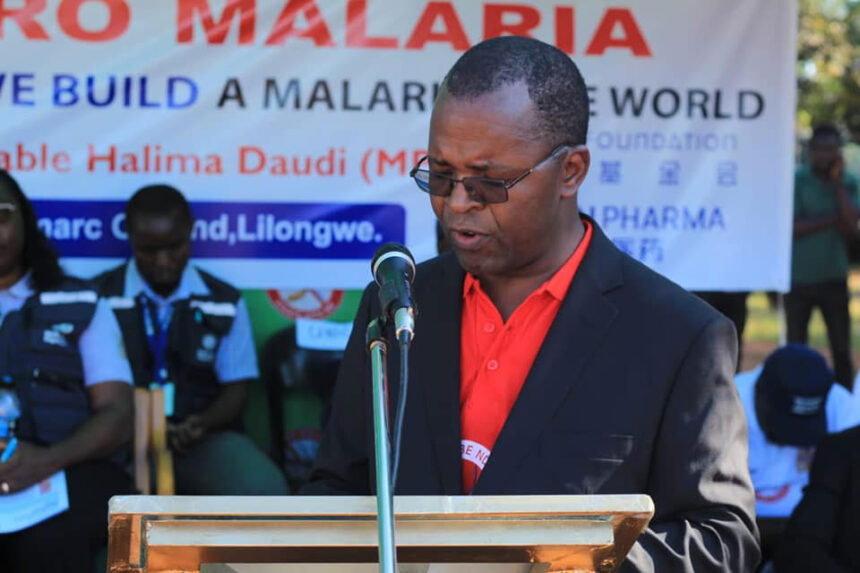
Secretary for Health Samson Mndolo stated that the PrEP would be available in six health facilities across the country.
He, however, expressed concern over new HIV infections, which he noted are still being reported in some high-risk and priority populations, including female sex workers, adolescent girls and young women and pregnant and breastfeeding women.
Mndolo acknowledged that, overall, the country is making progress in the fight against HIV.
“Malawi has made significant progress in the HIV response, as demonstrated by an overall reduction in HIV incidence from 0.40 percent in 2015-16 to 0.20 percent in 2020-21,” he said.
According to the latest data from the Ministry of Health, Malawi is on the cusp of achieving the UNAids 95-95-95 targets, in which 95 percent of all people living with HIV know their status; 95 percent of these individuals are on treatment; and 95 percent of those on treatment are virally suppressed.