Some representatives of families whose relatives were killed on March 3, 1959 have expressed concern over allegedly being sidelined in preparations for this year’s commemorations in Nkhata Bay District.
The families say they will not be given a chance to speak at the event and will not have a role in matters relating to the consolation money they have been demanding.
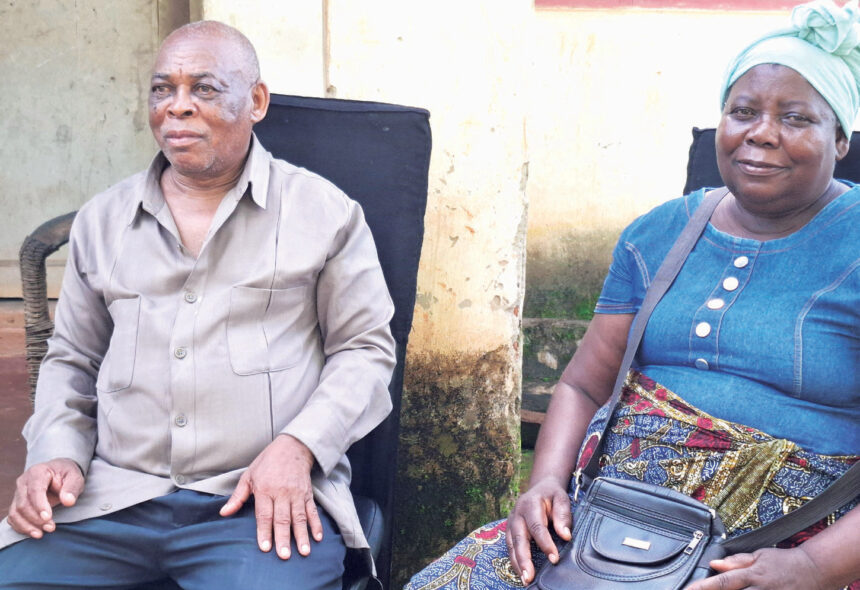
Speaking in an interview Monday, one of the representatives of the bereaved families, James Thawe, expressed surprise that the government had chosen Senior Chief Mkumbira of the lakeshore district to represent them when they could do so themselves.
“All along, we have been speaking at this event. To say the least, if it were not for the relatives, we would not have been conducting these events, but we wonder why we are being sidelined,” Thawe said.
While there are fears that the bereaved families might boycott the event today, Nkhata Bay District Commissioner David Gondwe said that claiming the families are being sidelined would be a misrepresentation of the facts.
- Advertisement -
“We are in very close correspondence with the bereaved families. The arrangement is that we have Senior Chief Mkumbira, who is their patron. Yesterday [Sunday] we had two of their representatives taking part in rehearsals,” Gondwe said.
On preparations, the DC said everything was set, with Minister of Transport and Public Works Jappie Mhango expected to be the guest of honour.
Another member of the families, who sought anonymity apparently because he is a public servant and fears reprisals, claimed that this year’s event has been given what he described as little attention by the authorities.
“Yes, there have been planning meetings, but the hype has been minimal. This is an event where we are supposed to speak and make our demands known, especially in relation to compensation,” the member said.
- Advertisement -
- Advertisement -
He further said that the issue of compensation and general government support for the martyrs’ families has been a long- standing concern.
The families have repeatedly pushed for reparations from the British government, arguing that they continue to live in poverty despite the sacrifices made by their relatives.
Over the years, they have pursued petitions and appeals to high-profile figures, drawing comparisons with other colonial-era reparations in Africa.
“Successive governments have periodically engaged with the issue but there appears to be little or no movement at all. Even now, we do not have any confidence that something worthwhile will happen for us,” he said.
In 2018, the government asked the families to be patient while it explored whether records could support a formal claim.
After taking over government in 2020, then president Lazarus Chakwera instructed the Ministry of Justice to engage the United Kingdom government, framing the matter as one of historical justice and moral responsibility.
As part of this process, the government has been identifying martyrs across the country to support potential claims.
In March 2025, during the Martyrs’ Day commemorations, the government announced a total of K915 million in consolation payments, giving each of the 61 affected families K15 million.
Chakwera and the then Minister of Local Government, Unity and Culture, Richard Chimwendo Banda, confirmed that many families in the Northern Region had already received their funds, with the remaining families scheduled to receive theirs later.
“My father died when I was ten years old. I could not attend school properly because we lacked fees. Eventually, this became our family’s generational poverty,” Thawe said in Monday’s interview.
At least 61 people were killed by British soldiers on March 3, 1959 across the country, 22 of whom were slain in Nkhata Bay.