By Pemphero Malimba:
A report by researchers has recommended that the country should strengthen public health measures and embrace disaster preparedness to mitigate the devastating effects of climate change.
This follows a community engagement project which Malawi Liverpool Wellcome Research Programme (MLW) implemented recently.
The recommendations were revealed during a community exhibition and policy dialogue held in Lilongwe on Thursday.
MLW implemented the project, dubbed ‘Engaging Communities on Climate Change and Its Effects on Health in Malawi’, between 2024 and 2025 using a methodology that was premised on informing the research agenda and interventions on climate health.
- Advertisement -
Forty people from rural and urban areas of Blantyre and Chikwawa—areas that were affected by Tropical Cyclone Freddy, which made landfall in Malawi in March 2023— participated in the project.
The respondents did so by documenting their life experiences through pictures and shared personal information, highlighting the health impacts of floods and extreme heat.
The participants indicated that there were increased cases of communicable and zoonotic diseases, water scarcity, damaged infrastructure that disrupted healthcare, reduced crop yield, economic losses, rising cases of sexual violence and mental health challenges.
The respondents, therefore, said there was a need to ensure that health surveillance assistants promote hygiene, distribute chlorine for water treatment and toilet construction, promote the use of durable materials such as hydro foam bricks and build disaster-tolerant structures, establish evacuation centres and develop comprehensive disaster response plans.
- Advertisement -
- Advertisement -
They also said Malawi needed to use community development funds to construct dykes, among other measures.
In an interview, MLW Communications and Public Engagement Manager Lindiwe Bandazi Mafuleka said the project was implemented to understand community perspectives about the effects of climate change on their health.
“This is a very important piece of work for us, researchers, because we want to have research that is relevant; [research] that is informed by community priorities and community needs,” Mafuleka said.
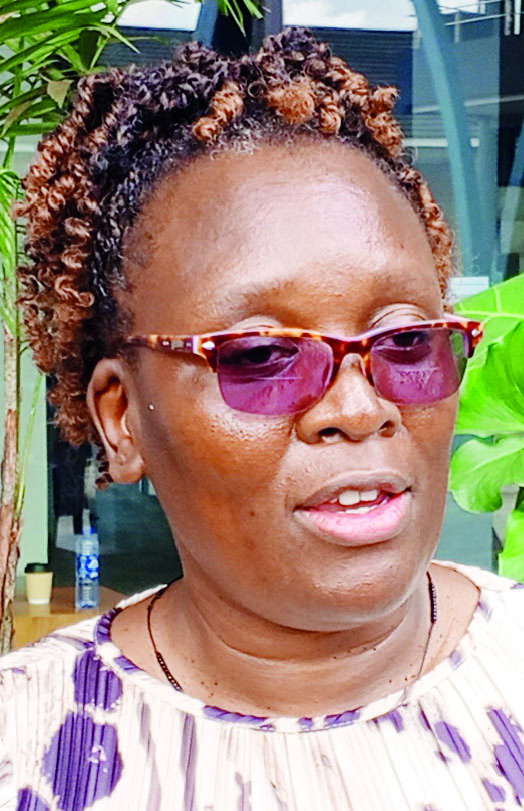
Department of Climate Change and Meteorological Services Director Lucy Mtilatila said the department had enhanced the provision of early warning messages to Malawians to lessen the impact of disasters.
“We have made strides; of course, we are not yet there but we are seeing some increase in interest in the messages that we share with people. With that motivation, we believe that we will be able to reach everyone [with the messages],” Mtilatila said.
Group Village Headwoman Santana, under Traditional Authority Kasisi in Chikwawa District, said she expected cases of natural disasters to lessen in her area. “This research has helped us to realise the importance of living in safe places, places that are not prone to floods and stormy winds,” Santana said.
Tropical Cyclone Freddy claimed 1,000 people, displaced thousands and damaged critical health infrastructure.