




By Kingsley Jassi:
The National Planning Commission (NPC) has proposed adjustments to the Malawi 2063’s first 10- year implementation plan following deviations that make it impossible to achieve lower middle-income status at the current pace.
Malawi is required to raise per capita income to above $1,000 by 2030 but the figure is hovering below $522 as of 2024, a drop from $633 in 2023.
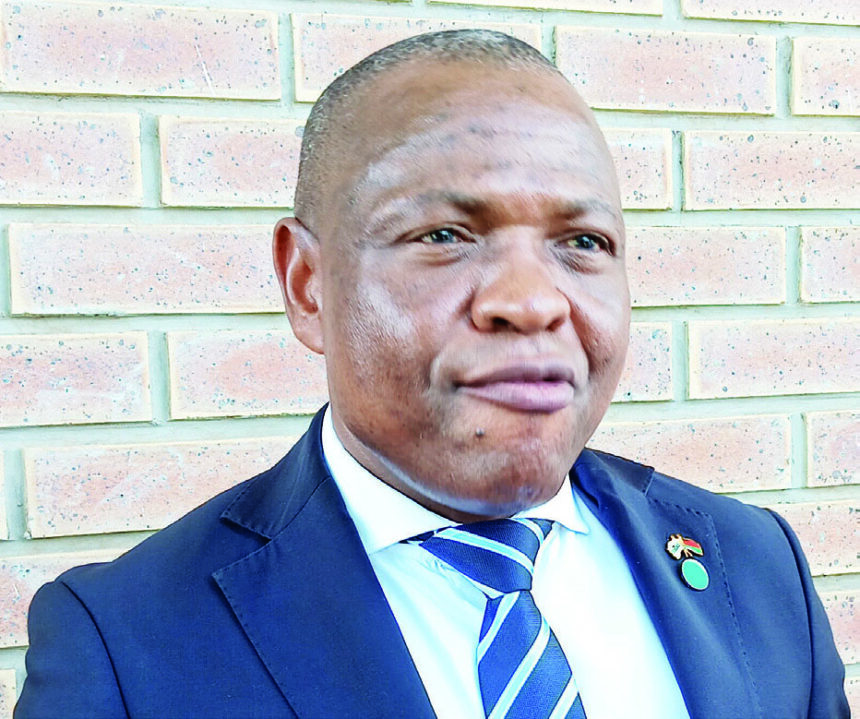
NPC Director General Fredrick Changaya said it is still possible to achieve the 2030 target but serious adjustments need to be made to accelerate economic growth in the remaining half of the decade.
“We have made some proposals to the Ministry of Finance on new priority areas for financing. You know, the budgets have not been financing what was put as investment priorities in the MIP1,” Changaya said.
- Advertisement -
NPC engaged the National Youth Council of Malawi and youths in Lilongwe on Tuesday as part of sensitisation on the Youth Engagement Strategy for Malawi 2063.
Changaya said through the MW2063 MIP1 Accelerator Plan, there is a fiscal model that presents opportune areas that, if focused, could help the country make gains towards achieving the medium and long-term targets.
Malawi’s average growth rates have been lower than population growth, making GDP per capita contract over the five-year period since MW2063 and MIP1 were launched.
Changaya said low land utilisation is among key drawbacks, calling for transformational changes to ensure high-value crops are given priority.
- Advertisement -
- Advertisement -
He cited serious industrialisation as a catalyst for real transformation and poverty reduction, noting low investments in key industries.
With emerging mining opportunities, the NPC Director General warned that the country loses revenue through serious smuggling of gold and low participation of Malawians in mineral extraction.
N Y C O M representative Ashan Kossam said the youth needed to be involved in the implementation of the MW2063 vision.
With the economy underperforming, economic opportunities are limited and the youth are the most affected as they constitute 53 percent of the population, weighing heavily on development efforts.
Malawi’s current macroeconmic fundamentals present a mixed picture for achieving MIP-1 targets.
Inflation remains elevated, driven by food and fuel costs, eroding household incomes and weakening demand. The kwacha’s depreciation has further strained external balances, raising import costs and widening the trade deficit.
At the same time, fiscal pressures from rising debt service obligations limit space for development spending. Slow GDP growth, consistently below population growth, has caused per capita income to contract, undermining progress toward the $1,000 target.
Yet, opportunities exist. Emerging mining ventures, improved agricultural productivity, and youth- driven innovation could provide growth momentum if governance and investment priorities are realigned. Without decisive reforms, however, these fundamentals risk deterring Malawi’s path to lower middle-income status by 2030.