
By Fiona Ritchie:
Malawi is facing its worst food insecurity for seven years. Households are struggling to buy enough maize to feed their families. This is partly because maize prices were already high, but also because, as His Excellency the President Lazarus Chakwera himself said, the necessary steps the government has taken to shore up the economy mean short-term pain that will be felt by the poorest.
Looking ahead, Malawi is braced for below normal rainfall levels due to “El Nino”. This could in turn lead to lower agricultural production and less food available in the markets.
Projections for hunger levels are sobering. Figures released by the Government of Malawi in August indicate that 22 percent of Malawians will face the highest levels of food insecurity since 2017, and at that time only Yemen had more people who did not have enough to eat. Unusually for Malawi, projections also suggest 200,000 people are likely to experience what can be described as “emergency” levels of acute hunger.
Sadly, Malawi is not alone, and this picture can be seen reflected around the world. Acute hunger levels are at a five-year global high. Conflict and climate shocks are responsible, but so too are detrimental policies such as restrictions on trade – for example Russia’s blockade of Ukraine’s ports, which has seriously jeopardised global grain supplies – or government interventions that end up skewing food markets.
- Advertisement -
Given this extremely concerning global picture, the United Kingdom (UK) is proud to have hosted the Food Security Summit on November 20.
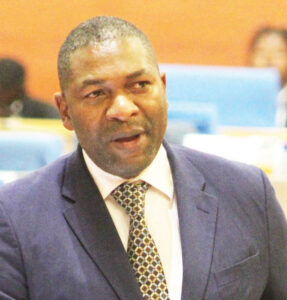
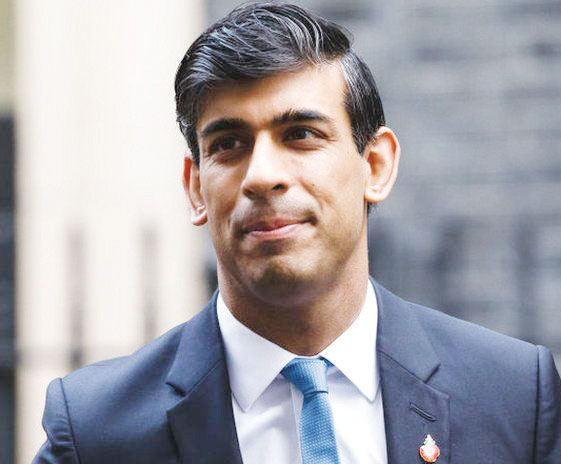
UK Prime Minister Rishi Sunak hosted some 200 ministers, and we were pleased to host Honourable Sam Kawale, Malawi’s Minister of Agriculture, leaders of international agencies and development banks, senior policy experts, scientists and innovators, civil society representatives, farmers and the private sector to raise attention to the global food security and nutrition crisis and to galvanise action.
The Prime Minister’s opening remarks referenced the impact of drought and cyclones in Malawi.
He also said: “It can’t be right that today in 2023, almost one billion people across the world regularly do not have enough to eat…that millions face hunger and starvation…and over 45 million children under five are suffering acute malnutrition. In a world of abundance, no one should die from lack of food.”
- Advertisement -
- Advertisement -
In explicit recognition that Malawi’s needs are particularly acute this year, on Friday the UK announced that it will provide an extra £5 million (nearly K11 billion) for this year’s Lean Season appeal. We hope to provide additional support during 2024.
However, as I am sure we can all acknowledge, simply responding in the wake of crisis is not enough. The UK’s new White Paper on International Development, which was launched at the Food Security Summit, sets out a strategic agenda for tackling the intertwined climate, nature and development challenges, in collaboration with partners.
In Malawi, climate change and population growth will mean ever greater challenges to food supplies. We need a fundamental shift in the way we approach food security with a focus on long-term solutions to stop food crises before they start.
For Malawi, this means a step change in approach in three critical areas.
(1) It means establishing an investment climate that improves the ease of doing business to attract responsible firms, encourage entrepreneurship and generate much needed foreign currency.
(2) It means reorienting scarce government resources (such as those used to repay expensive foreign debt) towards improving the delivery of key public services.
(3) As our Deputy Chief Economist emphasised in his recent visit, it also means resisting temptation to solve problems by asserting greater control, for example through increasing regulations and processes.
The UK welcomes the Government of Malawi’s commitment and courage in addressing the debt and foreign currency crises, and in taking the necessary steps to negotiate an International Monetary Fund Extended Credit Facility which can unlock significant further investment.
We know this has made life difficult for ordinary Malawians in the short-term. We commend the Competition and Fair Trading Commission for clamping down on unjustifiable price increases by unscrupulous traders.
The UK continues to believe passionately in Malawi’s economic prospects and looks forward to working in partnership on the journey to growth and prosperity.