


A parliamentary inquiry into a military plane crash that killed nine people including Vice President Saulos Chilima has exposed systemic and operational failures, particularly in aviation decision-making, weather assessment and emergency response coordination.
In the public hearings we have monitored, the investigators have shown to closely examine whether warnings about poor visibility and adverse weather conditions over the Chikangawa Forest area were properly assessed before the aircraft departed Lilongwe for Mzuzu on June 10, 2024 when it crashed.
The inquiry has also reviewed the aircraft’s maintenance records and operational readiness, as well as compliance with established military aviation procedures.
Attention has further turned to whether standard flight safety protocols were fully observed before take-off.
The committee noted during the hearings that there appeared to be growing concerns that the tragedy may not have resulted from one single factor alone, but rather a chain of systemic weaknesses involving communication, operational judgment and emergency response.
- Advertisement -
Another key area under scrutiny is the response after the aircraft went missing, with questions raised over the speed of search and rescue operations and coordination among security agencies for the operation.
Witness accounts have also pointed to challenges linked to poor visibility and dense forest conditions that hampered early recovery efforts.
The inquiry is also addressing concerns raised by families of the victims regarding handling of remains and the alleged circulation of autopsy reports, amid growing public calls for transparency and accountability.
On Thursday, former special advisor to the late Vice President, Joshua Valera, told the committee he was in Mzuzu on the day of the incident before travelling to Nkhata Bay for burial of former Minister of Justice, Ralph Kasambara.
- Advertisement -
- Advertisement -
He said he learned of the missing aircraft during the funeral proceedings and later returned to Mzuzu Airport where he was briefed that contact had been lost near the Ekwendeni area.
He later joined search efforts in Chikangawa before operations were suspended due to fog and thick forest cover.
“My family is looking into issues regarding the handling of search operations, treatment of bodies, and the leaking of autopsy reports.
“Families and sections of the public continue demanding full disclosure amid growing calls for accountability and transparency,” Valera said.
Former Secretary for Defence James Chiusiwa appeared before the inquiry yesterday.
He said his ministry was not involved in travel arrangements for the Vice President’s trip.
He explained that involvement only came through the Malawi Defence Force as the aircraft belonged to the military.
He said he only learned of the crash through radio reports.
The committee has drawn comparisons with international aviation investigations, particularly Germany’s Federal Bureau of Aircraft Accident Investigation (BFU), where inquiries are strictly technical and focused on establishing causes rather than apportioning blame.
The parliamentary inquiry combines technical assessment with governance and accountability considerations, including institutional performance and policy oversight.
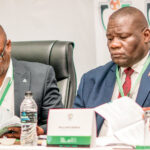
Committee chairperson Walter Nyamilandu said the investigation is progressing steadily, with technical analysis and witness testimony continuing to shape the direction of the inquiry.
The committee is expected to table its final report in Parliament after completing witness hearings and technical assessments.