

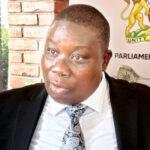


Finance Minister Simplex Chithyola Banda has been in town— albeit for the first time in his capacity as Malawi’s Chancellor of the Exchequer— soliciting views to be incorporated into the next budget.
The consultations are not new.
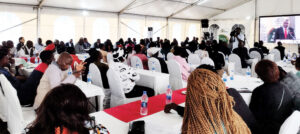
Each year, Treasury officials go around engaging private sector players, economists, the academia, civil society organisations and the public in shaping what could be an ‘accommodative budget.’
A history of woes
At the beginning of the consultations in Blantyre last week, Chithyola Banda said the 2024-25 national budget will be crafted to facilitate economic recovery. The financial plan is also aimed at cushioning the populace from possible effects of recent monetary and fiscal policy changes by the government.
- Advertisement -
The economy remains volatile and Malawians are not unaware of the hardships they endure. Almost all macroeconomic indicators are seen in red.
For a greater part of the past twelve months for instance, activities were subdued due to macroeconomic uncertainty and the lingering effects of external shocks.
This has had a bearing on the country’s already fragile job market where the ugly menace of unemployment and underemployment is vivid.
Malawi—a predominantly importing nation— also faced myriad challenges including shortages of foreign exchange which led to scarcity of fuel and other essential commodities, misalignment of the local currency, the Kwacha—which piled pressure on the unit’s footing, high inflation and borrowing rates and an ever soaring public debt.
- Advertisement -
- Advertisement -
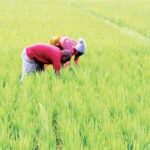
Weather- related shocks such as Cyclone Freddy shattered dreams of recovery for the agrarian economy in 2023. It squeezed chances for an improved agricultural yield from the preceding year’s, thereby leaving about 3 million Malawians food insecure.
Bruises brought about by the Covid pandemic are still evident. The pandemic eroded the little glory the country registered on the export market. Malawi is still navigating through the storms of carryover effects of the pandemic, evidenced by glaring and prevailing imbalances between imports and exports.
Due to the challenges, the Reserve Bank of Malawi revised downwards Malawi’s real gross domestic product growth projection for 2023 to 1.5 percent, from the earlier estimate of 1.9 percent.
But to attain a lower middle-income economy mark by 2030 as scribed in the Malawi 2063 development plan, the country needs to grow by at least six percent annually within a space of ten years.
In a desperate attempt to fix some of the errors, the central bank adopted a tight monetary policy stance, among other interventions.
In November 2023 the central bank devalued the Kwacha by a whopping 44 percent—a move which has seen commodity prices rocketing—but with optimism among some economists that it would ensure stability.
Already, the country now has a running Extended Credit Facility programme with the International Monetary Fund (IMF). Its signaling effect could be felt in the coming financial year as some development partners contemplate resuming direct budget support which is essential on improving the Balance of Payment position, among other things.
Path to recovery
But the economic recovery trajectory would not be an easy ride.
The path requires sacrifices; hard work, radicalisms and a complete ditch from the deemed traditional approach, populist and lavish expenditures.
Focus should be on interventions necessary for growth where massive investment should be made towards the development part of the budget and not consumptive.
It goes without mention that one of the key roles of a national budget is to eradicate poverty and foster economic growth.
Although mostly rated as pro-poor— one which directly target poor people, or that are more generally aimed at reducing poverty— Malawi’s budgets have largely succeeded in keeping a tight lid on the people’s poverty, cushioning them from falling deep into the abyss.
They haven’t propelled the much sought after growth, neither have they necessitated he desired development.
In the past decade, the local economy has been growing by an average of just about three percent, a rate which calls for realignment of the budget framework to accommodate interventions and enablers for growth.
The development budget has not exceeded 30 percent of the total expenditure plan each year, largely, on the pretext that present expenditure needs remain enormous against an ever thin resource envelope.
But to navigate through the challenges the economy has sailed through, there is need for rejig of the financial plan structure—some sort of migration from the tradition.
An investment-oriented budget— one that speaks to the aspirations in the Malawi 2063— remains a catalyst for not only recovery but sustainable growth and development.