By Gracious Chitakata, contributor:
Getting a child undergo a cancer diagnosis at the referral Queen Elizabeth Central Hospital (QECH) in Blantyre can, sometimes, be time consuming.
On average, it takes a day or two to get the diagnosis done as the hospital has one machine for the task.
Sometimes, a child can undergo the same procedure twice, especially when the first sample goes missing.
Then, there is fear of the unknown, which may engulf the parent or guardian as they see their child’s health deteriorating while waiting for results.
- Advertisement -
Fortunately, these are things of the past. The past in question is the pre-2023 period.
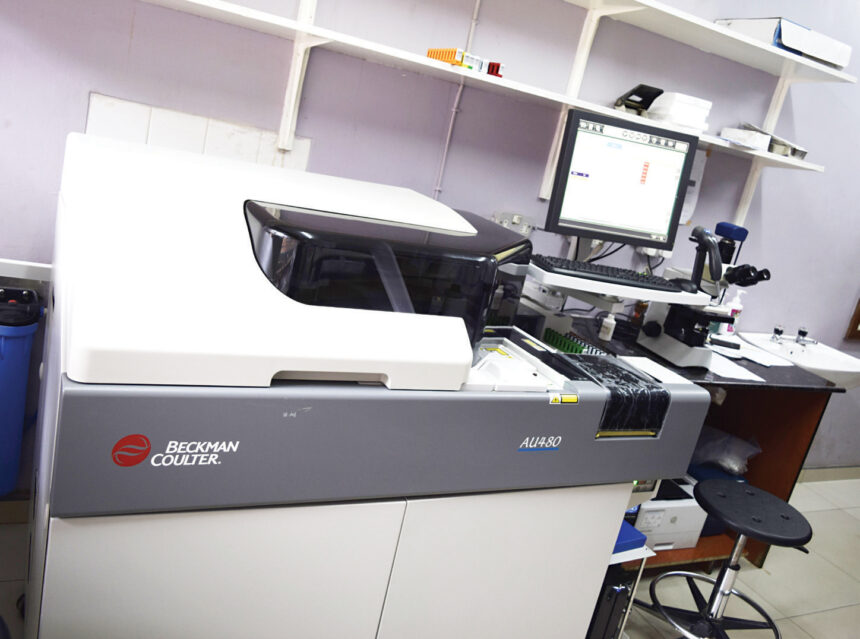
In 2023, National Bank of Malawi plc donated a chemistry analyser to the hospital, thereby easing some of the challenges that those in the Child Cancer Ward were facing prior to 2023.
The machine brings out accurate and factual results, helping in early detection of cancer in children.
Experts indicate that five common types of cancer that affect children in Malawi are Leukemia, Burkitt Lymphoma (cancer that affects the B lymphocytes, Wilms tumor (cancer of the kidney), Retinoblastoma (cancer of the eye) and Non- Hodgkin Lymphoma.
- Advertisement -
- Advertisement -
In Malawi, 500 children are diagnosed with cancer per year, with QECH receiving an average of between 20 and 30 new patients per month.
This came to light when the world commemorated World Cancer Day last month.
That month, the Children’s Cancer Ward, which last year alone made 264 diagnoses, clocked a year and two months after receiving the chemistry analyser.
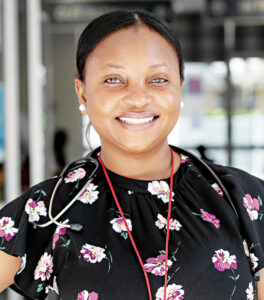
QECH pediatric oncologist Dr Beatrice Chikaphonya Phiri said the coming of the chemistry analyser has greatly improved their work.
“Usually, we could send the samples to the main lab and, sometimes, the lab did not have reagents to do kidney or liver function tests. There were also some delays because, as you know, the main lab caters for the whole hospital, not just a department.
“But now, you can get the results in one or two hours and, at least, we know we get results that are reflective of the state in which our patients are at that point,” Chikaphonya Phiri explained.
Chikaphonya Phiri said, so far, they have run 550 samples, “and, probably, very few tests would be repeated for the same patient”.
Echoing Chikaphonya Phiri’s sentiments is Pediatrics Department Registrar Dr Nthambose Simango.
He explained that in the past, the main lab would get overloaded or run out of reagents, adding that the other research machine at the facility had a limited number of samples it took, delaying the treatment of patients in the process.
“We were unable to do those tests, delaying management and sometimes treating patients blindly. So, having this machine in the department has enabled us to have consistent availability of those tests, and we can manage our patients throughout the year,” Simango indicated.
She, however, pointed out that the department needed constant supply of reagents and a mobile X-ray machine.
“We require a mobile X-ray machine because, sometimes, you have a sick child you cannot take to the X-ray department,” Simango said.
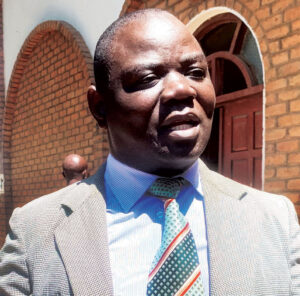
On his part, Malawi Health Equity Network Executive Director George Jobe pointed out that advanced equipment was key to service delivery.
“These tools of the trade make the life of health workers easier,” Jobe said.
NBM plc Marketing and Corporate Affairs Manager Akossa Hiwa said they valued the impact they made on the society.
“We, as a bank, consider two things to be paramount in each corporate social investment [activity]: sustainability and impact. It is a rule of thumb that the causes we invest in create positive impact and are self-sustaining.
“It is, therefore, fulfilling to note that the chemistry analyser we gifted the Child Cancer Ward within 2023 continues to make a difference in the lives of Malawian children,” she said.
A report, which the World Health Organisation (WHO) released on February 4 this year, indicates that childhood cancer remains a challenge in the world.
The global body indicates that each year, an estimated 400 000 children and adolescents of 0–19 years old develop cancer.
“In high-income countries, where comprehensive services are generally accessible, more than 80 percent of children with cancer are cured. In low-and middle-income countries (LMICs), less than 30 percent are cured.
“Avoidable deaths from childhood cancers in LMICs result from lack of diagnosis, misdiagnosis or delayed diagnosis, obstacles to accessing care, abandonment of treatment, death from toxicity and relapse. Only 29 percent of low-income countries report that cancer medicines are generally available to their populations compared to 96 percent of high-income countries,” WHO indicates.