By Ousman Kaliati:
When she was impregnated by a fellow primary school learner, it was a dream deferred for the-now 17-year-old Ivy Banda, who comes from Matumba Village, Senior Chief Khombedza, in Salima District.
But she has reclaimed her life and has the belief that life will go on. The resolute girl is now back in Standard 7 at Katitima Primary School.
“While in Standard 7, I had a boyfriend who impregnated me and, due to anger, my parents forced me into marriage,” she said.
Banda adds that she faced abuse from her husband and also experienced hunger issues due to financial constraints.
- Advertisement -
“We also used to sleep without food most of the times,” Banda explained.
Banda could not have been in a position to narrate her life story had it not been for mother group members’ intervention.
Eventually, the mother group members helped her through a Salvation Army initiative that aims to reduce cases of early marriage in the district.
Mother group chairperson for Katitima, Elena Vikitala from Thawuzen Village, says they are working tirelessly to address challenges related to early marriages in the area.
- Advertisement -
- Advertisement -
She says they work in collaboration with traditional leaders because other parents do not allow their children to leave their marriages.
Senior Group Mankhwazi says traditional leaders are discouraging parents from sending their children into marriage.
Mankhwazi explains that, on monthly basis, they receive reports from mother group members on how they are working.
“We, as chiefs, do not want to be party to a situation that is culminating in the proliferation of teenage pregnancies or early marriages in our areas,” he said.

Salima District Social Welfare Officer Edgar Kasiyafumbi says the country is making strides in reducing cases of early marriage.
He explains that they work with others— including traditional leaders, Malawi Police Service officers, organisations such as the Salvation Army, among others—to address vices that stand between girls and their education ambitions.
“Progress is being made, notably in areas under Senior Chief Khombedza,” he said.
Kasiyafumbi says in 2024, 91 children were withdrawn from marriages while in 2025, 69 were withdrawn from marriages.
“The district wants to reduce these numbers further in 2026.
“Most early marriages are driven by poverty, as parents ask their children to get married at a young age as one way of running away from their responsibilities,” Kasiyafumbi pointed out.
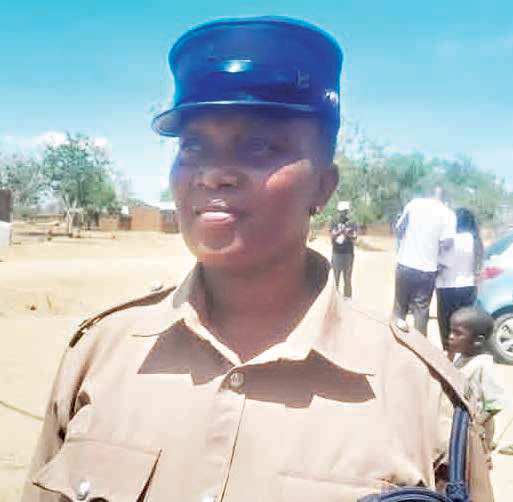
Sub-Inspector Memory Siyama, who is the community policing officer under the Crime Prevention Desk and Victim Support Unit in Salima District, says collaboration is key to addressing challenges that affect girls.
“Of course, we know that cultural practices as well as the presence of the lake [Lake Malawi] in the district contribute to the proliferation of early marriage cases.
“The good thing is that interventions of organisations in the district are helping a lot, in terms of helping stakeholders address challenges related to early marriages. The government alone cannot deal with this challenge and this is why we commend other stakeholders’ roles in ending child marriages,” she said.
Siyama also cited mother groups as a crucial player in efforts aimed at eliminating child marriages.
“We urge parents not to allow their children to get married at an early age as this also contributes to the country’s [high] poverty [levels],” she explains.
She also said, through the United Nations Children’s Emergency Fund, they introduced complaints boxes in primary schools, where learners open up on their problems.
Police officers then open the boxes every two weeks to follow up on various issues.
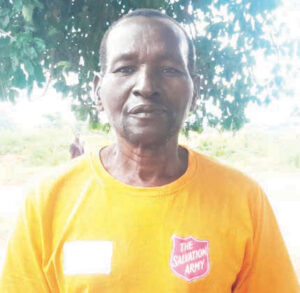
Meanwhile, The Salvation Army Development Service Secretary Mathews Tumbolombo says they are collaborating with mother groups, victim support unit offices, school management committees and parents-teacher associations to address the challenges.
“We work with these people because we observed that, most of the time when children go on holiday, some do not return to school after being forced into marriage,” he says.
Tumbolombo says it is high time parents were advised not to allow their children to get married while young, as this is increasing poverty levels.

He adds that their project aims to strengthen governance and child protection structures as well as increase meaningful participation of children in governance activities.
Tumbolombo is referring to their intervention in areas under Senior Chief Khombedza , where they aim to achieve a measurable reduction in early child marriages.
“We want to establish functional child councils, train children in rights advocacy and also create platforms for children’s voices to be included in governance processes,” he said.
He says the organisation has, so far, rescued 30 girls from marriage.
“Some of the girls have returned to primary school while others have been sent to technical colleges. It is sad that some people hold the outdated perception that the girl-child is someone who cannot do anything except being in marriage,” he explained.
However, Banda is showing that girls, too, have a stake in school as well as the right to see their dreams materialising.