
By Funsani John Scander:
Malawi’s bread industry appears to be in crisis, but we are mute. Just as Asa the Nigerian artist sang in her song “There is fire on the mountain, And nobody seems to be on the run; Oh, there is fire on the mountain top, And no one is a-running”, I humbly write to express my concerns.
What was once a source of pride—fluffy, aromatic and long-lasting loaves from memorable brands has been reduced to crumby, tasteless and perishable products that barely resemble real bread. Today’s bread is well-packaged but poorly made, costly yet low in quality, and seems designed for quick sales rather than consumer satisfaction. What went wrong?
Gone are the days when bread had a distinct aroma and could last for days without losing its freshness. The bread produced today in Malawi is often made with substandard flour blends, excessive additives and little regard for traditional baking standards. Many bakeries now prioritise profit margins over quality, using cheap ingredients to cut costs while charging consumers premium prices.
- Advertisement -

I concur with the view shared by Mr. D. Nyirenda in an article titled ‘The Shift from Wheat Flour in Malawi’s Bakeries: Economic Drivers and Consumer Impact’ (2022) who expresses his disappointment over the quality of such a valuable product.
- Advertisement -
It is disheartening to see that today’s bread is no longer made with real wheat flour as the primary ingredient. Instead, it is packed with fillers—cassava, soybean and likely even maize flour while only a token amount of wheat flour is added, just enough to deceive consumers. What was once the foundation of good bread has now been reduced to a mere afterthought.
Even more troubling is the inaction of regulatory bodies tasked with safeguarding food quality. Despite clear evidence of declining standards, authorities continue to allow manufacturers to mislead the public as highlighted in the 2023 Consumer Association of Malawi (Cama) report.
If bakeries insist on using these substandard blends, they should at least be transparent and label their products honestly, admitting that this is no longer the wholesome bread Malawians once enjoyed; instead, profit motives have overshadowed both quality and consumer trust.
During a recent conversation, a colleague at my workplace angrily declared: “I will never buy bread again!” When I pressed him for an explanation, he shared a disturbing claim from a local shop owner: When unsold bread goes stale, some manufacturers allegedly take it back, grind it up and reuse it as an ingredient in “fresh” batches.
- Advertisement -
If true, this practice is not just unethical—it’s a public health hazard. Bread that has already molded or spoiled could contain harmful mycotoxins, which are linked to cancer, liver damage and immune system suppression, according to a World Health Organisation 2023 report. Are we unknowingly poisoning our families with recycled, substandard food?
Malawi’s bread crisis goes beyond taste and texture—it is now a question of safety and accountability. Where are the food inspectors? Why are some manufacturers allowed to prioritise profit over people’s health? If this recycling rumour is even partly true, it demands immediate investigation by the Malawi Bureau of Standards (MBS) and Consumer Protection agencies such as Cama.
We deserve transparency. If some bakers are repurposing expired bread, they must be exposed and held accountable for their actions. Otherwise, how can we trust anything on our plates?
This shift from quality to cost-cutting reveals a troubling trend—where business greed overrides consumer well-being and the authorities fail to enforce the standards meant to protect the public. How long will Malawians tolerate being sold ‘imitation’ bread while regulators turn a blind eye to perpetrators of the practice?
A key factor in this decline is the shift from pure bread flour to mixed or inferior flour substitutes. Historically, Malawian bakeries used high-quality wheat flour, which gave bread its signature texture and taste. Today, some producers blend wheat flour with other fillers, resulting in a product that is dry, tasteless and quick to spoil.

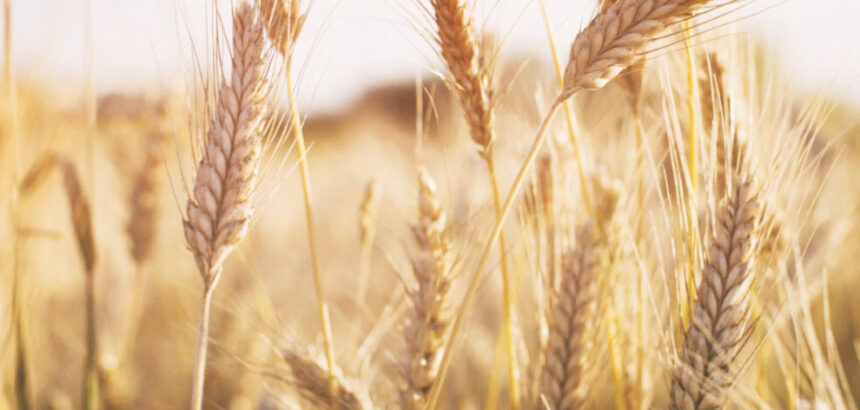
My instincts tell me that Malawi had once demonstrated the capacity to produce wheat. Many may be surprised to learn that wheat was cultivated locally, including in districts such as Ntcheu, Dedza and Chiradzulu, where farmers grew it successfully. However, due to a lack of government support, lopsided agricultural policies and the dominance of maize-centric farming or other reasons possible, wheat production dwindled.
Instead of promoting wheat varieties that can thrive in Malawi’s climate, the country has become heavily dependent on imports, exposing consumers to price volatility and substandard products. If Malawi revived wheat farming, especially drought-resistant varieties, it could reduce import costs and improve the quality of locally made bread.
If we are, indeed, committed to retain our forex by reducing imports, why not invest in a product that is on high demand?
As at now, some bakeries seem to be focusing on attractive packaging and aggressive marketing while neglecting the fundamentals: taste, texture and shelf life. Consumers are left with expensive, low-quality bread that molds within days.
Where are the regulatory bodies? MBS should enforce stricter quality controls to ensure that bread meets basic nutritional and durability standards.
Meanwhile, the government must incentivise wheat farming to reduce reliance on imports and improve local production.
Unlike Malawi, neighbouring countries such as Zambia and Zimbabwe have prioritised domestic wheat production, reducing reliance on imports and stabilising bread quality. Zambia now produces over 200,000 metric tonnes of wheat annually, meeting nearly half of its national demand according to a 2023 Fao report.
Similarly, Zimbabwe revived its wheat sector through government-supported irrigation schemes, achieving self-sufficiency in 2022 for the first time in decades as reported by The Herald newspaper. If these nations can cultivate wheat successfully, why can’t Malawi? It’s time to demand better bread, revive our agricultural potential and hold producers accountable. Otherwise, we will remain stuck with wheatless, tasteless, and soon, hopeless bread.
About the Author:
Funsani John Scander is a seasoned Digital Media Specialist with over 14 years of experience, currently working at the Malawi Revenue Authority, where he specialises in digital marketing strategy, creative content development and branding design. He is also a certified PROSCI Change Management Practitioner and a member of the Public Relations Society of Malawi. He is writing in his own personal capacity.