Researchers Mardge Cohen, Chantal Benekigeri and Kathryn Anastos have called for concerted efforts in overcoming challenges that women with HIV face in their daily lives.
The three state that the struggle requires equitable and enhanced access and resources, with a woman-determined focus and a human rights perspective.
They recently published an expert article in the Journal of the International Aids Society as part of commemorating International Women’s Day, which falls on March 8.
Cohen, Benekigeri and Anastos noted that in 2022, 630,000 people globally, nearly half of them women, died from Aids-related illness and that each week 4,000 girls and young women aged between 15 and 24 years acquired HIV.
“Sub-Saharan Africa carries the greatest burden of HIV, with 66 percent of global infections overall and [approximately] 80 percent of infections in women,” the article says.
- Advertisement -
It adds that even those with well-managed HIV are at continued risk of gender- based violence (GBV) and of other preventable and treatable conditions, including cardiovascular disease and cervical cancer.
The researchers state that recent pooled data from sub-Saharan African national surveys affirm the adverse effects of intimate partner violence (IPV) on HIV acquisition and treatment outcomes.
They add that ending the HIV epidemic, a global public health goal, cannot be achieved without preventing GBV.
“Integrating HIV care and IPV programmes is critical to addressing the increased transmission and treatment issues associated with IPV.
- Advertisement -
- Advertisement -
“While HIV acquisitions often result from sexual abuse for the individual, other structural factors like gender power inequity and policies also influence both transmission and poor treatment outcomes,” the article says.
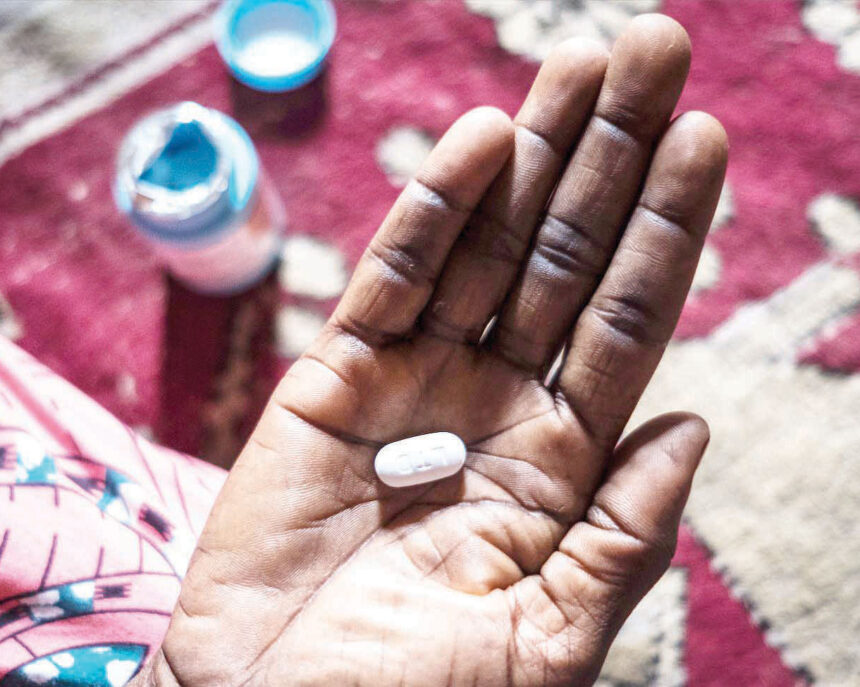
On the other hand, the researchers state that widespread use of antiretroviral therapy (ART) globally has resulted in dramatic decreases in new HIV acquisitions and lower mortality for people living with HIV.
Malawi is said to have registered “tremendous progress” in the fight against HIV, even though acquisition rates among girls and young women “remain matters of great concern”.
On the general outlook, the country has surpassed UNAids targets, that 95 percent of people with HIV should know their status, 95 of them be on treatment and 95 percent of those on treatment be virally suppressed.