By Cathy Maulidi:
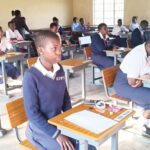
Some 9,226 students have been selected to pursue tertiary education in Malawi’s public universities out of 19,250 who applied.
According to a statement signed by Secretary for Education Mangani Katundu, 19,250 students applied for the 2023-24 public universities selection but it is 17,907 applicants who were eligible, meaning 8,681 of the eligible ones have been left in the cold.
This represents a 48 percent ‘rejection’ rate, reigniting concerns over inadequate space in the universities.
The selected students, according to the Ministry of Education, will join six public universities including Kamuzu University of Health Sciences, Lilongwe University of Agriculture and Natural Resources and the University of Malawi.
- Advertisement -
Additionally, 1,896 students have been selected to join Domasi and Nalikule colleges of education.
“This brings the total number of students selected to public universities and the two colleges of education to 11,122, representing a 10.4 percent increase from last year’s combined figure of 10,072,” the statement reads.
Of the selected students, 57 have special needs, 28 of whom were selected on merit while the remaining 29 were affirmatively picked upon meeting the minimum entry requirement.
Katundu has encouraged students who have not made it to seek alternative modes of entry, such as open distance e-learning and economic fee-paying programmes.
- Advertisement -
- Advertisement -
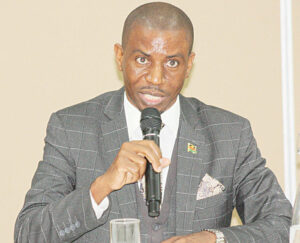
Meanwhile, education rights activist Benedicto Kondowe has sounded an alarm on what he has described as a glaring gender disparity among the selected applicants.
With 42.3 percent of the selected students being female, Kondowe argues that the trend reflects a deeper issue in Malawi’s education system.
Last year, 40 percent of the selected candidates were female, meaning there has been some improvement.
Still, Kondowe feels “a lot still needs to be done”.
“This gender imbalance is a symptom of broader societal issues, including socioeconomic barriers, cultural attitudes and differences in academic performance. We need to address these underlying factors to create a more inclusive education system,” Kondowe said.
He has recommended strengthening initiatives that support female education, such as scholarships and mentorship programmes.