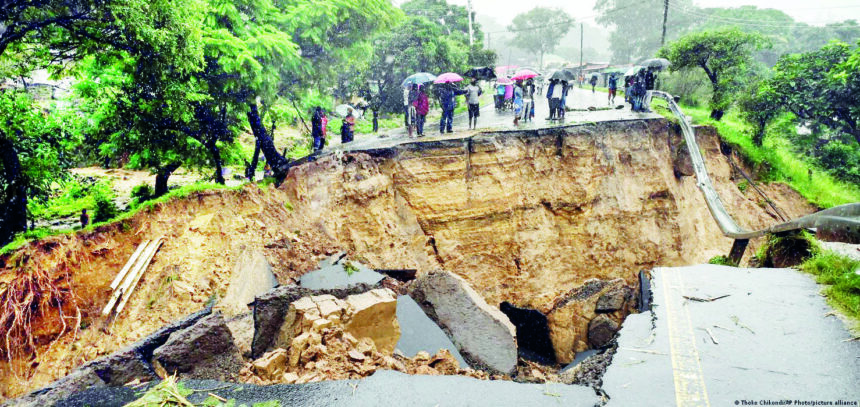
I n southern Malawi, the Shire River swells with the first heavy rains of the season, a sight that has become familiar in recent years. Villages are cut off by washed-out roads and families huddle in homes battered by wind and water. For thousands living with HIV, each flood brings not only property damage but also anxiety over whether they will be able to access their lifesaving medication on time.
Fatima, a mother of three in Chikwawa District, recalls previous storms with a mix of fear and fortitude.
“I have seen the river rise and roads vanish. Each time it rains, I worry if I can get my pills. It is both fear of water and fear for my life,” she says from the windswept veranda of her grass thatched house.
Her home sits at the foot of a hill stripped bare by charcoal producers and firewood collectors, landscapes that are more vulnerable to flooding. She and several others in her village face the double challenge of recurring climate disasters and disrupted HIV treatment.
In many parts of the country, cyclones, floods and unpredictable rains routinely disrupt clinics and supply chains. Global funding shifts further threaten programmes that have kept hundreds of thousands alive.
- Advertisement -
Every disaster, whether a swollen river, washed-out road or collapsed clinic, is a reminder that staying on treatment depends not only on personal discipline but also on environmental and systemic resilience.
Despite these obstacles, Malawi has made remarkable progress. The country has surpassed the United Nations Joint Programme on HIV and AIDS (UNAids) 95-95-95 targets ahead of schedule. These targets aim for 95 percent of people with HIV to know their status, 95 percent of those diagnosed to receive treatment and 95 percent of those on treatment to achieve viral suppression by 2030.
Chikwawa and Mulanje are among districts that have suffered repeated cyclones and seasonal flooding. Houses have been washed away and many rural clinics rendered inaccessible as roads are cut. For people who depend on regular access to antiretroviral therapy (ART), this brings both anxiety and risk. Mercy, a 29-year-old mother in Mulanje, reflects on the compounded challenge.
“In the past, when the rains first came, I thought only of the roof. Now every downpour also reminds me of whether I will access my pills on time,” she says.
- Advertisement -
- Advertisement -
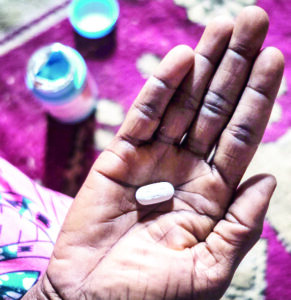
Just as climatic challenges test Malawi’s health services, 2025 introduced another strain. International aid, especially from the United States, which has historically been the largest single donor supporting the HIV response, was terminated. These cuts affected staffing and certain prevention services.
A UNAids report noted that adolescent girls and young women experienced reduced capacity for prevention services and that non-facility condom programming was paused. Drop-in centres for key populations faced closures or had to develop new plans to remain operational.
While official policy prioritised the continuation of treatment where stocks remained available, the reduction of partner funding increased the sense of vulnerability among clients.
In Lilongwe, one young man on treatment said, “I hear people worried that if funds dry up some clinics might struggle to keep drugs in stock. If I lose access to my medication I do not just lose pills, I lose my future.”
Officials have sought to reassure the public. “All HIV services, including testing, viral load sample collection, supply chain management and record-keeping, should be provided by trained personnel to ensure continued access to HIV prevention, care and treatment services,” Secretary for Health at the time, Samson Mndolo, said.
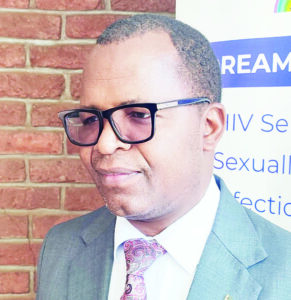
He added that Malawi still had adequate quantities of ARVs, test kits and other supplies. Malawi’s HIV prevalence among adults has declined from more than 14 percent in the late 1990s to around seven percent by 2024.
New infections have dropped sharply and AIDS-related deaths have fallen from tens of thousands per year in the early 2000s to fewer than 14,000 in 2024. Yet climate disasters continue to test these gains. Activists say innovative approaches are needed to keep services operational during floods and cyclones.
The Ministry of Health and its partners have extended measures such as multi-month dispensing of ARVs. This allows patients who are stable on treatment to receive several months of medication in a single visit, reducing the travel burden for clients whose access to roads may be cut by floods or transport costs. Guidelines issued this year ensure that people displaced by emergencies or who lose documentation can still receive ART.
Local health workers and community based organisations have also adapted by supporting mobile outreach clinics in disaster-affected areas. These clinics bring primary health services, including ART refills, directly to displacement camps and isolated communities.
Community volunteers, known in some areas as mentor mothers, continue to trace and support people who have missed appointments, especially children and adolescents who are more likely to be lost to follow-up. Health partners have noted the role of climate resilience in maintaining HIV services.
“With more than 25 severe storms and floods in the last decade, climate change is pushing Malawi’s health systems to the brink,” the Country Director of Save the Children, Ashebir Debebe, said at the unveiling of an initiative to equip Malawi to safeguard people against climate-related health risks.
Similarly, Health Minister at the time, Khumbize Kandodo Chiponda, described the support as timely in addressing what she called the country’s fragile health system. “The new grants give us the opportunity to follow through to the point where our health system can withstand climate shocks and give quality services to the people of Malawi,” Kandodo Chiponda said.
In the meantime, domestic resource mobilisation remains a challenge. Although the Global Fund and other partners continue to invest in Malawi’s HIV response, development partners still account for about 77 percent of total HIV expenditure while domestic resources contribute around 23 percent. For people living with HIV, like Esther in Zomba, the attainment of 95- 95-95 ahead of schedule brings hope.
“Knowing that most of us have viral suppression and that services are improving gives me strength. But I still wake up worried if the weather will ruin the road or if funding changes will make it harder to get my medication,” she says.
Activists maintain that Malawi’s achievement in surpassing the UNAids 95-95-95 targets ahead of the 2025 deadline represents one of the most significant gains in the country’s public health history. They still express concern that climate change and funding uncertainty remind the nation that the fight is not over.
“Keeping health services accessible, mobilising local resources and strengthening resilience to unpredictable weather remain central to continued success,” Chimwemwe Zimba says.