








By Roy Howa:
The Special Law Commission on the Development of Legislation for the Eradication of Child Marriage Friday gathered input from traditional leaders, child rights activists and others on proposed legislation intended to strengthen Malawi’s legal framework for combating child marriage.
Speaking at the national consultative conference in Lilongwe, chairperson of the commission, Lyson Kandu, said the proposed law would address gaps in existing legislation and provide clear legal provisions to guide law enforcement officers and prosecutors in handling child marriage cases.
Kandu said the commission was established following concerns raised by the Minister of Gender, Children, Disability and Social Welfare over the need for specific legislation to address child marriage.
He said although Malawi had laws dealing with related offences, the absence of a standalone law on child marriage had created challenges for law enforcers in addressing the practice.
- Advertisement -
“The commission observed that there are gaps in the already established legal framework. We have laws that address related offences, but that specific law for child marriage was not in place, and this created problems for law enforcers,” said Kandu.
Law Commissioner Rosemary Kumitsonyo Kanyuka said standalone legislation would help authorities address child marriage more directly, instead of relying on provisions scattered across different laws.
“If we leave it as it is now, where it is fragmented, then it is difficult and we even miss the point. We want to tackle child marriage specifically,” she said.
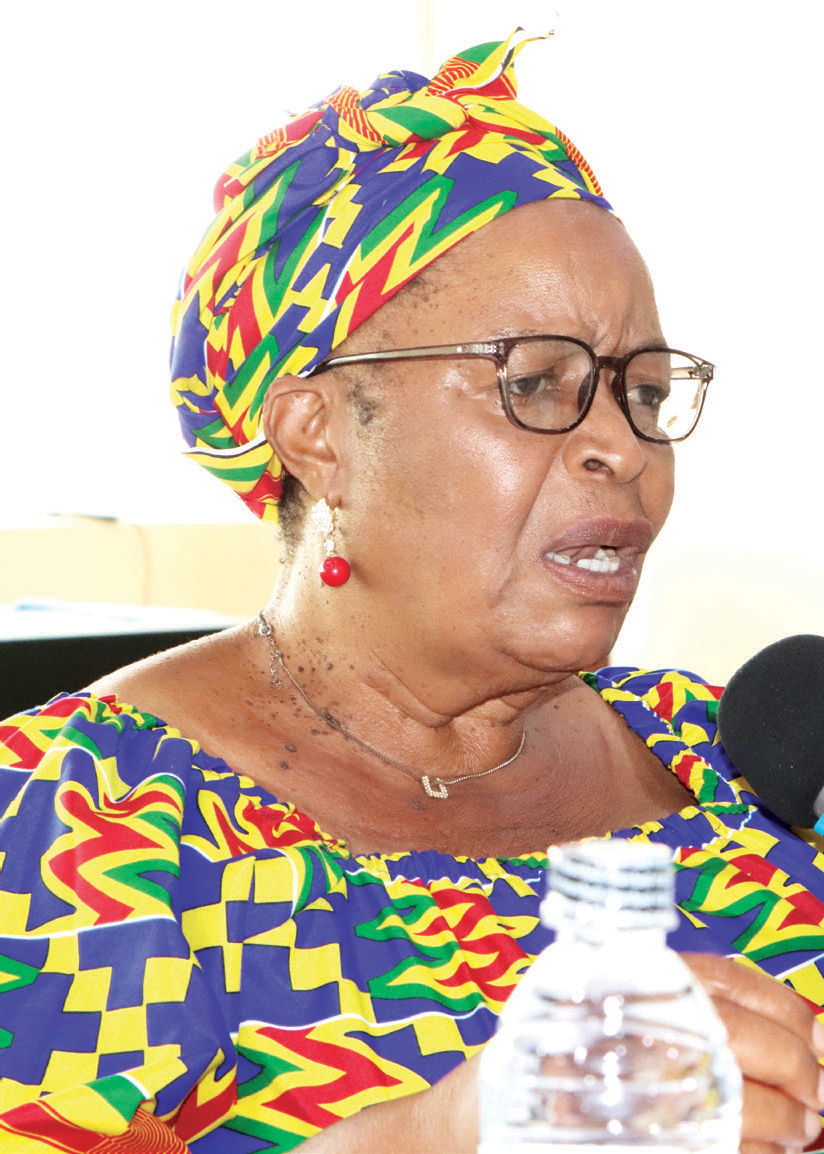
Senior Chief Mlolo of Nsanje North welcomed the proposed legislation.
- Advertisement -
- Advertisement -
She said it would provide traditional leaders with a clearer legal framework for addressing child marriage in their communities.
She observed that some traditional bylaws were either unavailable or lacked sufficient legal force, limiting chief’s ability to effectively deal with cases of child marriage.
Mlolo urged the commission to consider the circumstances surrounding individual cases when determining appropriate penalties, particularly distinguishing between adults who marry children and cases involving two children.
She said cases involving children should prioritise counselling, ending the marriage and facilitating their return to school, while adults who knowingly marry children should face appropriate legal consequences.
Kandu further disclosed that the commission would resume the drafting process after considering recommendations and observations gathered from stakeholders during the consultations.
He said the stakeholder’s contributions would help refine the draft before it proceeds to the next stages of development.
The conference also examined the existing legal and policy framework, criminalisation, preventive and mitigating measures, protection of children already in marriages and children born from child marriages, prosecution and evidence, and institutional arrangements.
The proposed legislation remains under development and has not yet been enacted into law.—Mana
