By Jack McBrams, contributor:
In Madisi, a modest town with red earth roads and resilient dreams, Sarah Gunya, 29, is cooking up something innovative using a crop that has long been taken for granted in Malawi’s kitchens.
Not maize. Not cassava.
Sweet potatoes. Specifically, the bright orange-fleshed kind packed with vitamin A, long overlooked but now repackaged as a symbol of agricultural innovation.
“We started small,” she says, brushing flour dust from her apron. “Just farming. But then I thought, why not turn this into something bigger?”
- Advertisement -
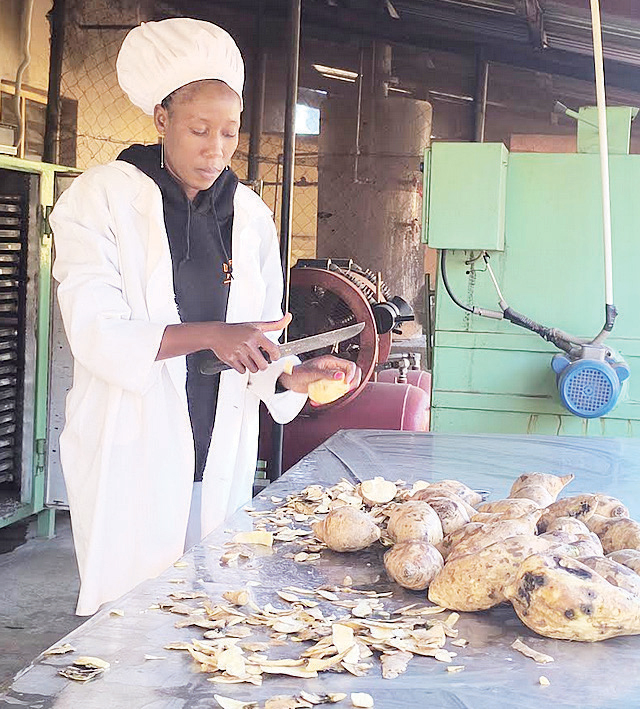
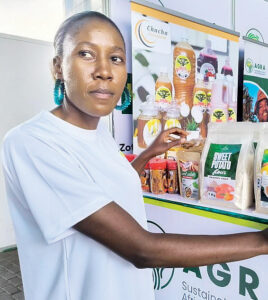
From that simple question grew Daliso Farms, a startup that is now turning sweet potatoes into a range of innovative, market-ready products: baking flour, soup thickeners, polished flour and crackers, all made from the humble root that once fed villages but now could feed a movement.
Sarah’s journey kicked off in 2019 with a few supportive voices: friends, family and a patch of land. But it was her willingness to try, fail and try again that transformed her into a processor, not just a planter.
“We had a lot of failed attempts. But that is how we learned, experimenting with how to turn sweet potatoes into shelf-ready products,” she says.
By 2022, Sarah was not just harvesting. She was minting value from sweet potatoes.
- Advertisement -
- Advertisement -
Sarah’s secret? Value addition. She realised that sweet potatoes, though seasonal and perishable, could become perennial staples through processing.
In doing so, she is addressing three big problems at once: nutritional deficiency, as orange sweet potatoes are rich in vitamin A which is vital for children under five; post-harvest losses, as value addition extends shelf life and prevents waste; and youth unemployment, as her business currently employs eight people and counting.
“Sweet potatoes are simple to grow, yet we were not doing much with them. Now we can eat them all year round, even when they are out of season,” she says.
But the journey has not been smooth. The biggest hurdle? Machinery.
“Right now, we rent the equipment. But with the right support, we want to own it to scale up and export,” she says.
Enter the Youth Entrepreneurship for the Future of Food and Agriculture (Yeffa) programme.
Through connections with the Alliance for a Green Revolution in Africa (Agra) and the Lilongwe University of Agriculture and Natural Resources, with funding from the Mastercard Foundation, Sarah has gained access to training, networks and national platforms such as the National Youth Summit, where she pitched Daliso Farms to potential investors and partners.
He ambition is to become one of Malawi’s biggest processors and buyers of sweet potatoes, purchasing from farmers, producing in bulk and selling both locally and internationally.
“There is a massive gap in value addition,” she notes. “We grow sweet potatoes, yes, but we are not doing enough to process and store them. That is the game changer.”
In a country where agriculture employs over 80 percent of the population but contributes far less to GDP than it should, Sarah is a living case study of what happens when young farmers dare to think like CEOs.
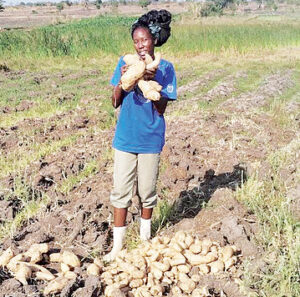
Backed by programmes like Yeffa, which aims to create over 746,000 work opportunities for youth in agriculture, Sarah’s story is not just about flour. It is about possibility.
“Farming is the one thing that never fails. If you don’t sell, you eat. Either way you benefit,” she says.
Her advice to other young people?
“Just start. Don’t wait for capital. Don’t wait for perfect conditions. Just begin. People will support you if they see you are serious,” she says.
At just 29, Sarah Gunya is the face of a new Malawi, where youth-led agribusinesses are pushing past maize monocultures and betting on nutrition, innovation and climate-smart crops.
With every packet of sweet potato flour, she is rewriting the narrative of farming from survival to success.
So, the next time you stir soup or slice a cracker, think about Madisi. Think about flour. And think about how a young woman took a root vegetable and built a business from the ground up.