As the temperature rises on the political calendar, one would expect our presidential hopefuls to meet the public head-on, armed with ideas, accountability and courage.
But instead of stepping into the arena of real dialogue, some prefer the comfort of silence.
We are a nation hungry for leadership that listens and responds and, so, the presidential debate is not merely a televised ritual.
It is one of the few remaining spaces where power is forced to explain itself.
Yet, even as the stakes grow higher ahead of what promises to be a fiercely contested election, key players have chosen to miss from the stage.
- Advertisement -
It is in this light that presidential aspirants Dalitso Kabambe, Joyce Banda and Atupele Muluzi deserve commendation for stepping forward to participate in Thursday’s debate.
Their presence signalled to Malawians that they are not only prepared to lead, but also willing to listen.
They made it clear that they understand the issues that matter and are ready to be questioned on them.
Most importantly, they showed respect for the electorate by acknowledging that voters are not just spectators but essential stakeholders in the democratic process.
- Advertisement -
- Advertisement -
During the campaign period, presidential candidates often avoid real engagement with citizens.
Speeches at rallies are rarely interactive and are often choreographed to avoid difficult questions. The average voter has no direct line of questioning, no platform to demand specifics.
This is precisely why debates matter. They provide a rare opportunity for citizens, through moderators and journalists, to ask the questions that genuinely affect their lives.
It is a space where leaders are expected to respond with clarity, honesty and vision.
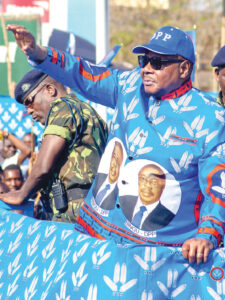
The decision by President Lazarus Chakwera and former president Peter Mutharika to shun the debate is regrettable and a display of disregard for the people they aim to lead once more.
The reasons offered for their absence are unconvincing and diminish the spirit of democratic engagement.
Avoiding such a forum sends a message that they are above being questioned, above scrutiny and above accountability.
This behaviour is not new. Mutharika has previously avoided debates while in power, again offering excuses that lacked credibility.
His continued absence suggests either a reluctance to be transparent or a shortage of new ideas.
Over the past several months, he has remained largely absent from public discourse, appearing only occasionally with vague pronouncements aimed at silencing critics.
This pattern of disengagement does not inspire confidence, especially at a time when the country is in need of forward-looking leadership.
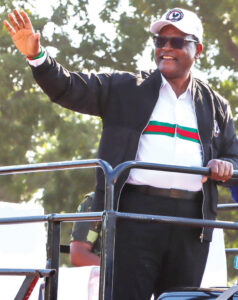
Chakwera’s decision to stay away is equally troubling. While he was in opposition, he participated in debates and challenged the incumbent government.
Now, in power, he seems unwilling to face similar questions about his own record.
This reversal is telling. It suggests that once in government, the urge to avoid uncomfortable truths becomes stronger than the will to engage.
It becomes increasingly difficult to convince people to grant another term when there is little to show for the current one.
For any sitting president, the most effective campaign tool should be the visible impact of their leadership.
Infrastructure projects, economic progress, healthcare improvements and education reform should form the basis of their appeal to the electorate.
These are measurable outcomes that should speak for themselves. However, if a leader avoids debate, it undermines public trust in those very achievements.
It creates the impression that there is something to hide, or at the very least, that the leader lacks the confidence to defend their record.
Some supporters within Malawi Congress Party and Democratic Progressive Party may argue that debates are irrelevant or that they do not change voting behaviour.
This is a misleading assumption. While it is true that not every voter is swayed by a single performance, debates help shape national conversation.
They offer insights into a candidate’s values, depth of understanding and ability to think on their feet.
More importantly, they signal a willingness to be part of a democratic process that values dialogue over monologue.
By appearing on that stage, Banda, Kabambe and Muluzi have shown political maturity.
They understand that respect for voters is demonstrated both through campaign promises and a willingness to be held accountable.
Their participation suggests that they are ready to lead in a way that values transparency and public dialogue. This is what democracy demands.