By Symon O. Mandala
Agriculture is the backbone of many economies, more so in developing countries. It provides livelihoods to millions of people. Despite this, agriculture is highly vulnerable to a range of natural and manmade disasters.
These include floods, droughts, cyclones, heatwaves, pest infestations and soil degradation. These events can not only devastate crops and livestock but also disrupt food security, water availability and rural economies.
As climate change intensifies and extreme weather events become more frequent and severe, it is crucial to focus on disaster risk reduction in agriculture. This is key to ensuring sustainability of food production systems and resilience of rural communities.
Disaster risk reduction in agriculture refers to a series of proactive measures aimed at minimising the impact of disasters on agricultural systems and rural communities.
- Advertisement -
It involves identifying, assessing and reducing disaster risks as well as promoting preparedness and adaptive capacity to cope with future shocks.
Changes in precipitation patterns, rising temperatures, increased frequency of droughts and floods and the spread of pests and diseases are all associated with climate change.
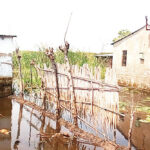
These events can lead to reduced agricultural productivity which, in turn, affects food supply, income levels and the ability of community members to recover. Floods can wash away entire fields of crops while prolonged droughts can cause crop failure and water shortages.
To effectively reduce disaster risks in agriculture, it is essential to adopt a holistic approach that combines early warning systems, sustainable agricultural practices, risk sharing mechanisms and government support.
- Advertisement -
- Advertisement -
One of the most effective ways to mitigate the impact of natural disasters is through early warning systems. They provide timely information about impending disasters. This allows farmers to take preventive measures.
Early warnings can enable farmers to adjust their planting schedules, harvest crops before the disaster strikes or implement water management strategies in anticipation of drought.
Promoting climate resilient agricultural practices is another crucial aspect of disaster risk reduction.
These practices not only help farmers adapt to changing environmental conditions but also reduce their vulnerability to disasters.
Crop diversification is one such strategy as it reduces dependency on a single crop, ensuring that if one crop fails due to a disaster, others may still thrive.
Further, adopting agro-ecological approaches such as conservation tillage, agroforestry and organic farming can enhance soil health, improve water retention and reduce the risk of soil erosion.
Improved infrastructure plays a vital role in reducing the impact of disasters on agriculture.
Building disaster resilient infrastructure, such as flood-proof storage facilities, resilient irrigation systems and stronger rural roads, can ensure that farmers have access to markets even during and after disasters.
Well-designed irrigation systems can help farmers cope with droughts. Access to financial protection is critical for farmers, especially smallholders who are often the most vulnerable during times of disaster.
Crop insurance, livestock insurance and disaster[1]related financial mechanisms are essential tools for risk management in agriculture.
The financial instruments can offer farmers a safety net, enabling them to recover and rebuild their farms more quickly after a disaster. Disaster risk reduction in agriculture must be a collective effort that involves community members, local governments and external actors.
Community-based disaster risk management empowers local farmers and stakeholders to assess their own vulnerabilities and develop appropriate risk-reduction strategies.
Establishing local disaster response teams, training farmers in emergency preparedness and creating seed banks or food reserves can improve community resilience.
Farmers should also be involved in local decision making processes related to land use, resource management and disaster preparedness.
Policymakers must integrate disaster risk reduction into agricultural development plans, ensuring that the risk of disasters is systematically considered in planning and development processes.
National and local governments should invest in disaster-resilient infrastructure, support research into climate smart agriculture and provide access to disaster related financial tools.
Additionally, international cooperation and funding play a significant role in supporting agricultural communities in vulnerable regions. In conclusion, disaster risk reduction in agriculture is not just about responding to crises but about preparing for them in a way that builds long-term resilience.
Through early warning systems, climate-resilient agricultural practices, insurance and community based approaches, farmers can better manage the risks posed by disasters and adapt to the changing climate.
The Department of Climate Change and Meteorological Services released the Malawi 2024- 25 Seasonal Climate Outlook as well as District Downscaled Seasonal Forecast for the 2024-25 season across districts in Malawi.
Therefore, stakeholders in the climate sensitive sectors, agriculture inclusive, can familiarise and act accordingly.