Malawi registered a sharp decline in legumes and oilseeds production in the 2024-25 farming season, figures contained in the 2026 Malawi Government Annual Economic Report show.
This, experts warn, could undermine efforts to diversify the agriculture sector production, and further lower its contribution to the economy. According to the 2024-25 third round Agriculture Production Estimates Survey, most legumes and oilseeds recorded significant production declines compared to the previous year.Groundnut output dropped by 40.7 percent, from 468,045 metric tonnes (MT) in the 202324 season to 277,591 MT.
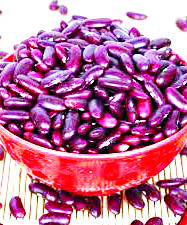
Beans production declined by 17.4 percent, from 235,089 MT to 194,175 MT, while cowpeas production fell by 20.8 percent. Soya bean output dropped by 23.4 percent, sunflower by 17.4 percent, while cotton recorded the steepest decline of 55.5 percent, falling from 13,822 MT to 6,147 MT.
However, sesame was the only crop to register output growth, increasing by 13.9 percent, from 9,686 MT to 11,031 MT. This was attributed to favourable weather conditions, attractive prices and the availability of improved seed varieties. But the overall downturn comes at a time Malawi has been promoting crop diversification to reduce reliance on maize and strengthen exportoriented crops.
In contrast, cereal crops recorded overall growth during the 2024-25 season, with maize production increasing by 5.4 percent, from 2,712,578 MT in 2023/24 to 2,859,948 MT in 2024/25.
- Advertisement -
The improvement is largely attributed to increased input uptake in some Agricultural Development Divisions (ADDs), favourable prices and relatively good weather conditions.
Agricultural policy expert Leonard Chimwaza attributed the decline largely to policy shifts that have prioritised maize production.
“In the past five years government policies have largely favoured maize, with most programmes focusing on maize while other sub sectors have been neglected,” Chimwaza said.
He also said slow adoption of improved technologies and low uptake of improved seed varieties in leguminous crops has exposed the crops to pests and diseases, resulting in low yields. Another agricultural policy expert, Tamani Nkhono Mvula, attributed the decline to unfavourable weather conditions as well as a shift by farmers towards maize production.
- Advertisement -
- Advertisement -
“A lot of farmers moved into maize production due to the hype around maize under the Mega Farms initiative,” Mvula said.
However, he emphasised the need to promote legumes because of their strong linkages with other industries. Economics Association of Malawi President Bertha Chikadza said the situation highlights the urgent need for scaling up irrigation and water management systems to break the cycle of rain-fed agriculture dependence.
In the 2026/27 national budget, the government has allocated K931.1 billion to the agriculture sector. Of this amount, nearly K300 billion will go towards maizerelated interventions, including the subsidy programme, maize purchases and irrigation development, as well as K11.3 billion for local maize seed production and procurement.