Fyness had been taking her HIV medication diligently for four years when her pastor prayed for her, declaring that she was healed and encouraging her to stop her treatment.
As a devoted Christian who deeply respected her pastor, she believed there was nothing her God could not overcome.
“My heart was filled with joy at the thought of being free from the virus,” she recalls, rubbing her palms together on the veranda of her raw-brick house in Blantyre’s Kabula Township.
In the absence of a medical cure for HIV, Fyness had long prayed for relief from the daily pills. She tried various local remedies, including those widely advertised on social media as potential cures.
“There is no herb I haven’t consumed. In my desperation, I grasped at everything that was said to cure my condition,” Fyness explains, her eyes blinking rapidly.
- Advertisement -
She remembers returning to church to share her testimony, declaring to the congregation that she had been cured.
The mother of two admits it felt surreal and overwhelming to announce her freedom from a condition she had lived with for four years.
After the service, she received numerous congratulatory messages, encouraging her to continue inspiring others with her story.
“I waved my medical report, which showed I did not have HIV in my blood. The evidence was there for all to see,” Fyness states.
- Advertisement -
- Advertisement -
However, a few weeks later, she began to feel weak and frequently fell ill, realising that what she thought had left her body might have returned to inflict further damage.
When she returned to the hospital for a test, she was shocked to learn that she was HIV positive again.
“I almost fainted. It didn’t make sense. The same hospital had confirmed I was HIV negative just weeks before and I had not exposed myself to the virus,” she reflects.
After being prayed for by her pastor and believing she was healed, she had returned to the hospital as if she were testing for HIV for the first time.
Fyness believes this was the source of her confusion. Medical personnel used standard testing methods that cannot detect the virus in someone who adheres to their medication.
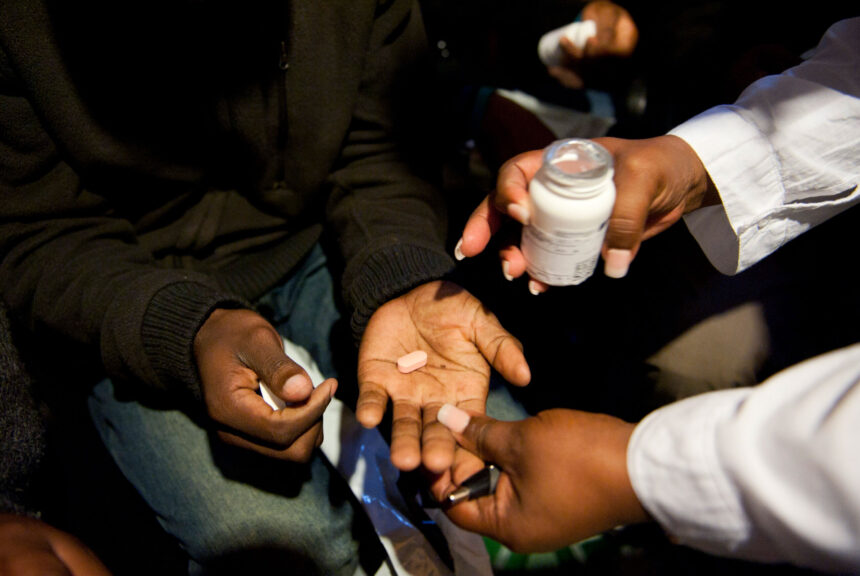
“Antiretroviral therapy (ART) is designed to target and inhibit the replication of the HIV virus in the body.
“By consistently taking these medications, individuals can reduce their viral load—the amount of HIV in the blood—to very low levels, often below the threshold of detection in standard tests,” explains Dr Joseph Mangani, a private-practice physician.
He adds that a suppressed viral load allows the immune system to recover, enabling it to control any remaining virus.
However, the doctor warns that missing doses can lead to viral replication and drug resistance, making treatment less effective.
Today, Fyness is back on her medication and feels fortunate to have regained her strength and immunity, even though she reports frequently falling ill.
In Malawi, a country known for its high levels of religiosity, the intersection of spirituality and medical treatment remains complex and evolving, impacting many aspects of health and well-being.
Recently, during a consultation meeting organised by the University of Blantyre Synod, stakeholders in the fight against HIV expressed concern over the detrimental influence of certain religious leaders who encourage people living with HIV to abandon their medication.
Professor Isabel Apawo Phiri, vice-chancellor of the university, pointed out the dangerous consequences of the belief that faith alone can cure HIV and Aids.
“Misleading messages suggesting that prayer alone can cure HIV have led some individuals to abandon their medication, resulting in premature deaths,” she said.
Participants agreed that while prayer and spiritual support are important, they should complement—not replace—medical treatment.
Reverend Billy Gama, chairperson of the Malawi Council of Churches, noted that faith communities can play a vital role in saving lives by disseminating accurate information and supporting those in need of treatment.
“Adherence to treatment is crucial, and faith leaders must promote this. Offering spiritual support to those on treatment can lead to holistic healing,” Gama says.
Sheikh Jaafar Kawinga, vice-chairperson of the Qadria Muslim Association of Malawi, also underscores the importance of balancing spiritual and medical approaches to healing in accordance with Islamic teachings.
Kawinga states that while the Quran is viewed as a source of healing, it should be complemented by appropriate medical care.
He elaborates on the Islamic perspective of healing, stressing the need for both natural and divine methods.
“Islam teaches that there is both natural healing and divine healing. By combining the two through prayer, we strengthen ourselves spiritually, mentally and physically, preparing for complete healing,” Kawinga explains.
Practices such as meditation, mindfulness and prayer are said to be crucial in enhancing mental health and may improve the effectiveness of certain medications by alleviating anxiety and stress.
Studies show that spiritual beliefs can influence how individuals perceive their illnesses and adhere to medication.
“I believe in the power of spiritual healing; yet, I also recognise that medical remedies are an integral part of the system. There is an element of spiritual healing in the medication we take,” Fyness observes.
She admits that she is now more enlightened about HIV treatment and that faithfully taking her medication does not indicate a lack of faith.
In her community, she has become involved in providing emotional and social support to those with chronic illnesses.
“We strive to offer a sense of hope and purpose, which has proven effective in improving outcomes for those with serious health issues,” Fyness says.
She acknowledges that if she had taken time to reflect on whether her spiritual beliefs conflicted with medical advice, she would not have abandoned her treatment after that blood test.
In recent years, a growing number of Malawians receiving HIV care have turned away from medical professionals in favour of prayer, influenced by new Pentecostal church leaders who specialise in faith healing.
These leaders often encourage the sick to reject medicine and turn solely to God, citing Mark 10:52, where Jesus tells a blind man that his faith has healed him.
Zione Ngonya, a member of the Zion Apostolic Church—which discourages its members from seeking medical treatment—expresses her unwavering faith in God.
“He is a healer and I need not worry if I fall ill. Sometimes it is just a test of my faith and I must rely on the giver of life,” she asserts.
However, the Malawi Interfaith Aids Association (MIAA), which works to combat HIV and Aids through a multi-faith approach, insists on a holistic approach to health that includes both spiritual support and medical care.
It warns against the manipulation of biblical verses that discourage medical treatment by suggesting that reliance on medicine indicates a lack of faith.
“Faith and medicine can coexist. Seeking medical treatment is a responsible way to care for one’s health while also maintaining faith,” MIAA states.
The association calls for a healthy interpretation of scripture that encourages believers to seek assistance in various forms, including medical help, while trusting in their faith.
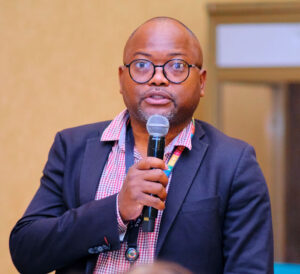
Health rights activist Maziko Matemba explains that discussions about halting treatment for those with HIV frequently occur in forums attended by religious leaders.
“We remind one another that the Malawi HIV and Aids Act clearly states that anyone who causes another to stop treatment commits an offence and must be prosecuted,” Matemba explains.
He encourages individuals receiving care to undergo regular viral load testing to be aware of the amount of HIV in their blood.
“This enables those who have been misled into believing they have been healed to recognise that with low viral loads, the virus becomes undetectable,” he adds.
Nonetheless, he acknowledges that faith can be difficult to shift, leading some people to believe they can be healed from HIV.
“The challenge is that many realise too late that they still have the virus. Some even lose their lives when the virus resurfaces with full force and resists treatment,” Matemba warns.
According to experts, while advancements in treatment enable individuals to live healthy lives with an undetectable status, a definitive cure for HIV remains elusive.
Research is ongoing to explore potential cures, but current strategies focus on lifelong management of the virus.
“Should a cure be found, that will be a great relief. But in the meantime, the current treatment is prolonging lives and that matters a lot to us,” Fyness says, hope and confidence evident on her face.