By Sarah Solomon, contributor:
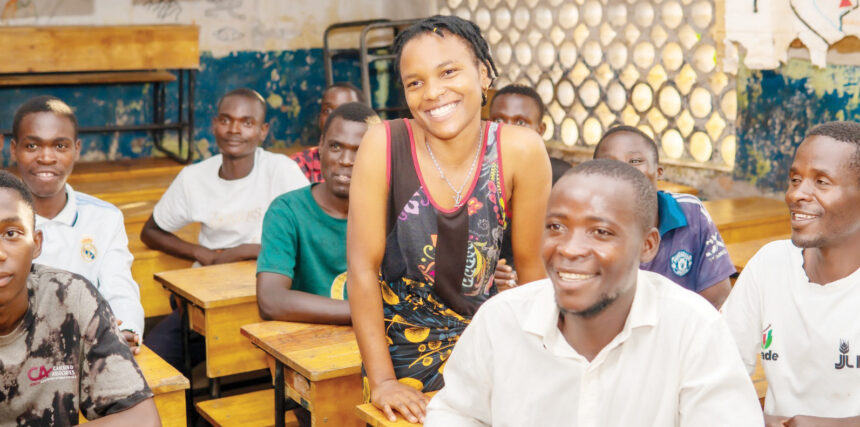
At just 17, Ireen Zimba’s life changed abruptly. Pregnant, out of school and facing stigma from her community in Mchinji District, her future seemed uncertain.
Now 24, she is rebuilding her life and helping other young people avoid the challenges she faced.
“I wish I had known about comprehensive sexuality education (CSE) and community-based distribution agents when I was younger.
“It would have helped me make better decisions about my body and my future. I am grateful for the support I have received and I want others to access the same services,” she says.
- Advertisement -
Zimba is now vice chairperson of Chiosya Youth Club in Traditional Authority Simphasi, a local organisation that is transforming access to sexual and reproductive health (SRH) information and services for young people.
In Malawi, where adolescent pregnancy rates remain among the highest in sub-Saharan Africa, access to SRH services is still a major challenge.
However, interventions such as CSE and youth community-based distribution agents (YCBDAs) are beginning to change that.
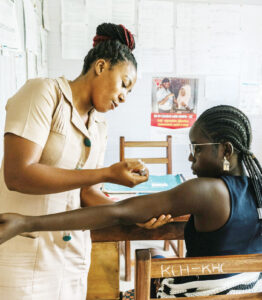
Through the TiKuma Programme, members of Chiosya Youth Club have been trained by the Girls Empowerment Network (Genet) to promote CSE and provide peer-based SRH support in their community.
- Advertisement -
- Advertisement -
TiKuma, which stands for Tikwaniritse ndi Kuteteza ma Ufulu a Ana (Let us Fulfil and Protect Children’s Rights), is a five-year K18 billion initiative running from 2024 to 2028.
It is funded by the Norwegian Agency for Development Cooperation through Save the Children.
The programme aims to ensure that all children in Malawi enjoy their right to quality education and are protected through strengthened community and government systems.
It also seeks to reduce teenage pregnancies and HIV infections among adolescent girls and young women.
Key partners in Mchinji include Save the Children Malawi, Malawi Economic Justice Network, Girls Activist Youth Organisation, Network and Parents of Disabled Children Association of Malawi.
Sylvester Nathan Banda, Chairperson of Chiosya Youth Club, says the impact is already visible.
“We have seen a significant reduction in teenage pregnancies in our community since the introduction of CSE and YCBDA.
“Young people are now equipped with accurate information and are making informed decisions about their reproductive health,” Banda says.
CSE provides structured, age-appropriate education on sexuality, reproductive health and relationships.
It equips young people with the knowledge to make informed decisions about their health and well-being.
“CSE has helped me understand my rights and responsibilities as a young person. It is not just about biology, it also covers healthy relationships, consent and gender equality,” another club member says.
YCBDAs complement this by bringing services closer to young people. These trained peer educators provide information, contraceptives and referrals within their communities, offering a safe and confidential entry point to SRH services.
“CBDAs are particularly effective in reaching marginalised groups, including out-of-school youth and those in rural areas. They are helping to reduce stigma and improve access to services,” Banda says.
Mchinji Youth Friendly Health Services Coordinator Agnes Jarafi says the combined approach has been key to reducing child and unplanned pregnancies.
“We trained about 16 health providers from different cadres, including statistical officers, nurses, midwives and clinical officers.
“The project has also trained YCBDAs who work in communities to provide information and encourage their peers to seek services at health facilities,” Jarafi says.
The programme also uses theatre for development to engage communities.
“This approach attracts large audiences who come for entertainment but also receive important information,” Jarafi adds.
The results are reportedly encouraging. Before the project, fewer than 50 percent of young people accessed SRH services. This has now increased to 70 percent.
Data further shows improvements in knowledge of SRH issues, increased uptake of modern contraceptives and a reduction in teenage pregnancies.
Community engagement has also played a role.
“We have worked with parents, parent groups, male champions and mother groups. Once they understand the rights of young people, they are better able to support adolescents,” Jarafi says
Despite the progress, challenges remain. Limited funding, stigma, cultural barriers and restricted access to services in rural areas continue to affect outcomes.
For Zimba, however, the change is already meaningful. Her experience now drives her work to ensure that other young people have the knowledge and support she lacked.
She hopes scaling up initiatives such as CSE and YCBDAs could help Malawi accelerate progress towards the Sustainable Development Goals and ensure that all young people can access the information and services they need to thrive.