commemorative
By Habiba Osman:
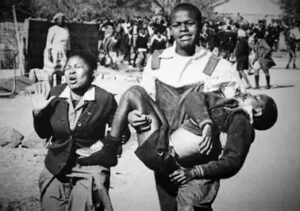
On June 16, 1976, the children of Soweto walked out of their classrooms to protest an education system designed to keep them small, the imposition of Afrikaans and, behind it, the machinery of apartheid schooling. By day’s end, police had opened fire. Hundreds of children would die in the weeks that followed. The image of a dying boy carried through the streets became one of the century’s indelible records of a State turning its guns on its young.
In 1991, the Organisation of African Unity established the Day of the African Child in their memory. It was an act of continental claiming. The children who fell in Soweto were South African, but Africa claimed them as its own and declared, in effect, that an injury to the African child anywhere is the business of all of Africa. That is what this day was meant to signify, not a South African anniversary but a pan- African covenant.
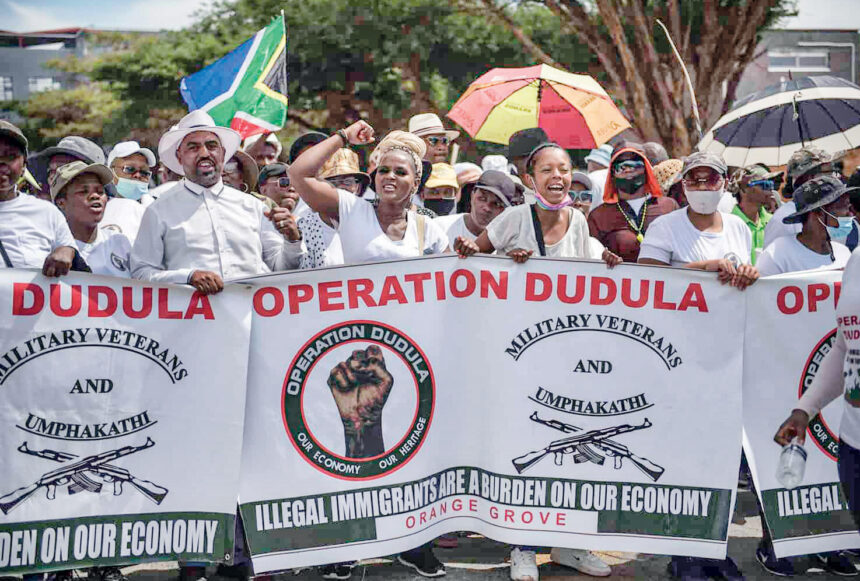
I have been thinking about that covenant because of another child. On July 31, 2025, a one-year-old Malawian boy died in Alexandra, Johannesburg, after members of the anti-migrant movement Operation Dudula turned his family away from two public clinics because they could not produce a South African identity card. He was a year old. He died because, in the country where this day was born, the wrong nationality had become grounds for denying care.
It matters that we name this accurately. What we have witnessed is not a generalised fear of foreigners. Western migrants are rarely the target. It is Afrophobia: African turning on African. And it has reached the very group the continent swore, on this day, to protect.
- Advertisement -
Operation Dudula has campaigned to bar undocumented foreign children from public schools and has stationed its supporters at clinic doors to decide who may pass. A day created to honour children whom a State once denied dignity now coincides with children being denied dignity in the same country and, this time, the hands turning them away are African. That continuity should frighten us more than the contrast.
Yet it would be wrong to conclude that South Africa has surrendered the meaning of this day. Its Constitution guarantees basic education and health care to everyone within its borders, including migrants. Its courts have not blinked: the High Court in Johannesburg has interdicted Operation Dudula from blocking access to schools and clinics, and the right of every child, documented or not, to attend school is settled law. South African civil society has put itself between the mob and the child.
The spirit of Soweto did not die in South Africa; it is fighting for its life there against South Africans who would extinguish it.
This is the balance we must hold. The fault line does not run between South Africans and the rest of Africa. It runs between people of every nationality who believe a child’s rights travel with the child and those who believe rights are a privilege of papers.
- Advertisement -
- Advertisement -
Afrophobia is fueled by real desperation: unemployment, collapsing services and scapegoating that intensifies before elections. Recognising that is not absolution; it is the precondition for dismantling it.
Solidarity must be more than commemorative. It obligates sending states like Malawi and others to protect their nationals abroad rather than look away, and it obligates African governments to use the instruments we built for exactly this purpose: the African Charter on the Rights and Welfare of the Child and the Committee of Experts that convenes on this day each year. We should read this year’s theme as the rebuke it is. The 2026 Day of the African Child calls for water, sanitation and hygiene for every child in Africa. That one word is the whole argument. Not every documented child. Not every citizen child. Every child.
In the end, there are not two children. The schoolchild of Soweto and the infant of Alexandra are the same African child, separated by 50 years and an invented border. Whether June 16 still means anything depends on whether we can see that and whether we will defend the child who does not share our flag with the same fury we reserve for the child who does.
That was the promise of 1976. It is still ours to keep, or to break.
*Habiba Osman is a human rights and gender-equality advocate with over two decades of experience across Africa. She writes here in her personal capacity.