When Joseph Mkoma first began feeling unwell, diabetes was the last thing on his mind.
“I was always tired. I was going to the toilet many times, even at night. I was losing weight, but I thought it was just stress or hard work,” he recalls.
Mkoma, who lives in Chigumula, a peri-urban area outside Blantyre, continued with his daily routines for months.
He assumed the symptoms would pass.
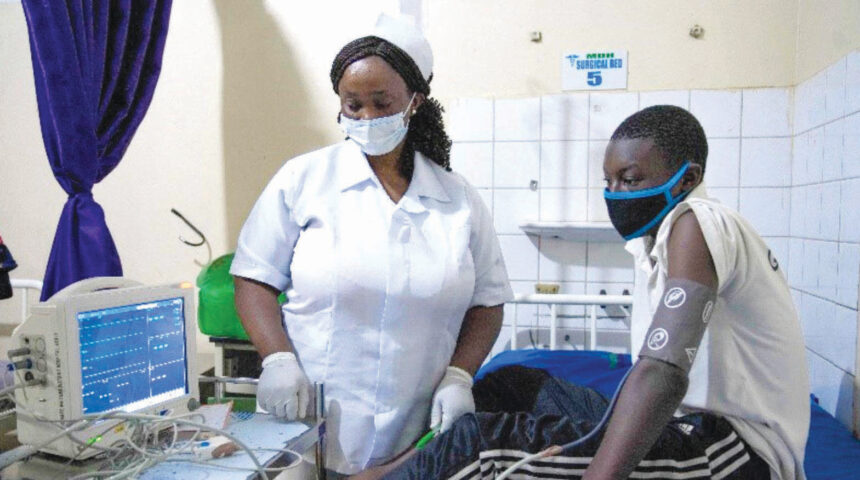
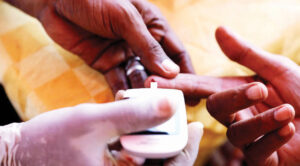
It was only when his condition worsened three years ago that he went to hospital, where blood tests revealed dangerously high sugar levels.
- Advertisement -
“I was shocked. I did not know I had been living with this illness for so long,” he says, staring at the insulin pen resting on a squat stool in his sitting room.
By the time of diagnosis, the disease had already progressed. What might have been managed earlier through screening and lifestyle changes had become a lifelong condition requiring constant monitoring, medication and clinic visits.
In Malawi, diabetes often reveals itself late, after months or years of silent damage.
A condition hidden in plain sight
- Advertisement -
- Advertisement -
In 2025, a report on diabetes in Malawi described the condition as a “silent killer”. According to that report, 78.7 percent of cases remain undiagnosed.
The disease killed at least 2,960 individuals in 2024, reads the report, referring to the latest figures by the International Diabetes Federation.

Health rights activist Maziko Matemba says this pattern reflects a growing but largely overlooked public health crisis.
“Previously, we had fewer people with diabetes, but now we are seeing many cases, including among young people,” Matemba says.
He attributes the rise to lifestyle changes and limited public awareness, warning that diabetes has become a major public health and economic challenge.
For Mkoma, diagnosis marked the beginning of a difficult but necessary adjustment.
“After they told me, everything changed. I had to think about what I eat, how I live, when I go to the hospital. It is not easy,” he says.
Transport costs and time away from work made regular clinic visits difficult. At times, medication supplies were inconsistent.
Familiar concerns
In August last year, then Chief of Health Services Martias Joshua warned that having 7.3 percent of Malawians living with diabetes, many of them unaware of their condition, posed a major threat to the country’s health system.
“This is a time bomb,” Joshua said as stakeholders gathered in Lilongwe to launch a National Diabetes Training Workshop aimed at addressing the growing epidemic.
International Diabetes Federation President Peter Schwarz also pointed to the alarming rise of diabetes across Africa, where 24.6 million people were affected in 2024.
The World Health Organisation defines diabetes as “a chronic, metabolic disease characterised by elevated levels of blood glucose or blood sugar, which leads over time to serious damage to the heart, blood vessels, eyes, kidneys and nerves”.
According to the UN agency, the disease affects vision, circulation, kidney function and heart health over time, often irreversibly.
“The starting point for living well with diabetes is an early diagnosis. The longer a person lives with undiagnosed and untreated diabetes, the worse their health outcomes are likely to be,” it says.
Mkoma’s experience reflects this reality.
“If I had known earlier, maybe it would not be like this,” he says. “Now I just try to follow what the doctors tell me.”
Early warning signs many never see
While thousands of Malawians are already living with undiagnosed diabetes, research suggests many more are at risk without realising it.
A study published in June 2025 in the Malawi Medical Journal examined adults in peri-urban Blantyre and found early metabolic changes that signalled future disease.
The researchers reported that “the prevalence of prediabetes was 9.8 percent”.
Prediabetes is a critical stage where progression to diabetes can be prevented or delayed, yet it rarely causes obvious symptoms.
The same study found that “obesity was significantly associated with prediabetes”.
Without routine screening, individuals move from prediabetes to full diabetes silently until complications force them into care.
Many public health facilities, particularly in rural and underprivileged areas, lack basic diagnostic equipment, trained personnel and essential medicines.
“Donor funding has historically prioritised communicable diseases, leaving non-communicable diseases underfunded. As a result, many people live with diabetes unknowingly, especially in rural and underprivileged communities,” Matemba says.
In hospitals across Malawi, diabetes increasingly appears alongside other long-term conditions.
A major 2025 multicentre study involving Malawi and Tanzania found that nearly half of adults admitted for acute care were living with multimorbidity, meaning two or more chronic diseases at the same time.
Experts say diabetes commonly co-exists with hypertension and cardiovascular disease, making treatment more complex and increasing the risk of death.
For patients, this means managing multiple medications and clinic appointments. For health workers, it means treating chronic illness in facilities long focused on infectious diseases.
“Diabetes can be treated and its consequences avoided or delayed with diet, physical activity, medication and regular screening and treatment for complications,” WHO says.
In practice, maintaining all these elements consistently remains difficult for many Malawians.
A global burden, resilience in place
According to WHO, about 830 million people worldwide have diabetes, the majority living in low and middle-income countries.
For patients like Mkoma, the global statistics feel personal.
“You realise you are not alone. But you also see that many people are suffering quietly,” he says.
In response to the growing burden of diabetes and other severe non-communicable diseases, Malawi has begun expanding chronic care services.
In 2025, WHO highlighted the country’s progress in scaling up the Package of Essential Noncommunicable Disease Interventions, known as the Pen- Plus model.
The national scale-up is under way, with over 440 clinicians and nurses trained and six secondary-level health facilities providing Pen-Plus care to over 300 patients living with severe non-communicable diseases.
The model brings specialised care closer to patients who previously had to travel long distances to referral hospitals.
In a statement issued on November 24, 2025 to mark World Diabetes Day, Secretary for Health Dan Namalika drew attention to what he described as a “vital truth” that diabetes affects people from childhood to old age.
“To change this course, there is need for early detection and diagnosis, effective and affordable treatment, lifelong support and education and integrated care through primary health systems,” Namalika said.
For Matemba, however, service expansion must be matched by sustainable financing. He is advocating stronger domestic resource mobilisation and the establishment of a national health fund to pool resources and improve equity.
“Currently, some conditions are privileged with more resources than others. Diseases like diabetes and cancer are left behind,” he says.
He hopes the government will approve the fund so that non-communicable diseases receive an equal share of national and global resources.
Mkoma now attends regular clinic appointments and follows medical advice as closely as possible.
“I have accepted that this is part of my life now. But I wish people talked about this disease more,” he says, as he prepares for his next clinic visit.