


By Ousman Kaliati:
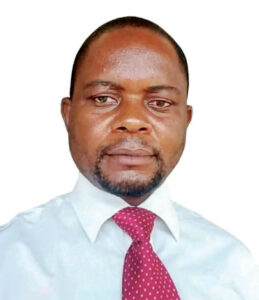
While others celebrated Christmas in style on December 25, 2025, 41-year-old Anderson from Salima faced a dilemma of whether to live or die.
This internal struggle began as he grew weary of the derogatory words from his wife, directed at him for failing to provide food for the family that day.
As the head of a household with five children depending on him, Anderson woke up with tasks to complete in order to earn at least K500 for the family’s lunch.
However, not every day goes as planned and this day was no exception. He returned home around 6pm empty-handed, prompting his wife to ask what they would eat that night, having already gone without food in the afternoon.
- Advertisement -
Anderson struggled to find words. Despite his efforts to provide a Christmas meal, he had failed.
His wife argued that others in the neighbourhood had started cooking dinner while they remained without food. She told him to leave the house if he could not provide for the family.
In despair, Anderson left home around 9pm and headed to the graveyard with a rope, contemplating hanging himself from a tree.
Just as he was about to carry out his plan, some villagers passed by, saw him and rushed to save him from committing suicide.
- Advertisement -
- Advertisement -
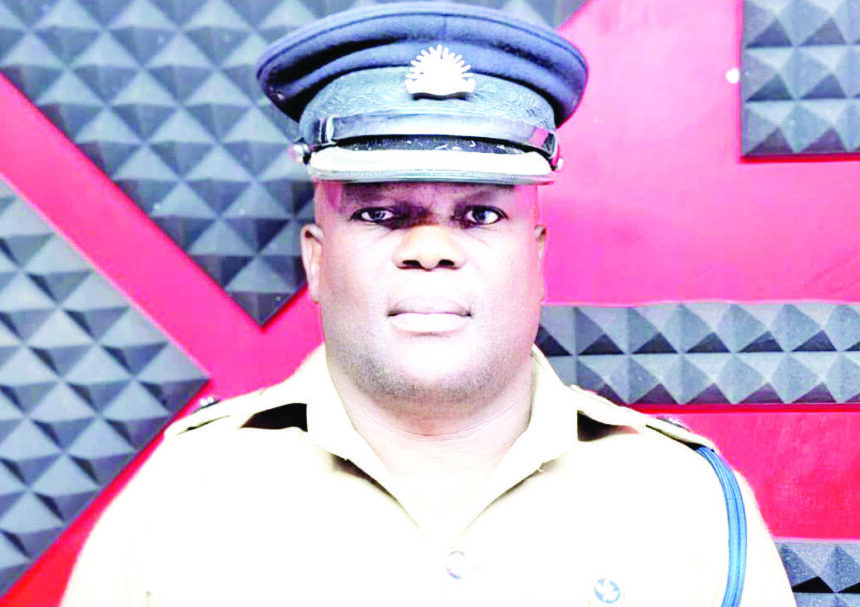
National police deputy spokesperson Alfred Chimthere reported that as of September 2025, there were 415 male and 67 female suicide cases, totalling 482 for the year.
In 2024, 522 males and 75 females committed suicide, resulting in 597 cases from January to December.
In 2022, there were 408 suicide cases, with 365 involving males and 46 involving females. In 2023, the total rose to 527 cases, comprising 479 males and 48 females.
Chimthere noted that the data is not definitive as some cases remain unreported. The Malawi Police Service, in partnership with health institutions and the social welfare department, is working to provide counselling.
“We are collaborating with various stakeholders to raise awareness in our communities about mental health issues,” he said.
He added that addressing mental health requires a multi-sectoral approach, not just the efforts of the police.
Health rights advocate George Jobe defines mental health as a condition that requires public awareness of its signs and symptoms.
Jobe points out that individuals often display warning signs before attempting suicide, such as changes in behaviour, which community members may not recognise.
“Mental health is a critical issue that must be taken seriously by the government and other stakeholders to prevent loss of life,” he says.
Jobe expresses concern over the impact of mental health challenges on males, largely due to economic pressures, as they are often viewed as the primary breadwinners in their families.
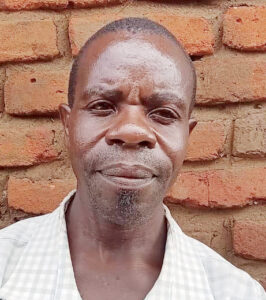
Group Village Head Kalombodza, under Senior Chief Kalonga, says he has learned about mental health issues through the Salima HIV and Aids Support Organisation (Saso).
Kalombodza admits that he previously had little understanding of the causes of suicide and often wondered why people attempted it.
“To date, I have successfully helped over 25 people in my community avoid suicide by providing civic education on its effects,” he says.
Saso is implementing mental health initiatives aimed at raising awareness and encouraging engagement in mental health activities within the lakeshore district.
The project empowers communities to undertake initiatives using local knowledge and resources, particularly targeting men and boys. Activities include bawo, pool games, aerobics and football.
Saso Executive Director Paul Duncan says they are collaborating with various stakeholders, including the district health office, police, social welfare, civil society organisations and traditional leaders to address related conditions.
“Our goal is to tackle mental health issues in the country by shifting power to the people, allowing them to decide on activities that bring them together to discuss and address issues related to mental health,” Duncan says.
Chairperson of Salima District Pastors Fraternal, Jame Chilowa, says religious leaders play a vital role in spreading awareness about mental health.
“We must take a leading role in assisting the government in addressing these issues, as they impact the nation economically,” Chilowa says.
Mufti Shamuna Sosola describes cases of suicide as tragic and that such actions are forbidden. He urges individuals to seek guidance and counselling from appropriate authorities when facing difficulties.
He also calls on relevant authorities to take mental health counselling seriously, as many do not treat it with the seriousness it deserves.
“We must acknowledge that individuals seek guidance and counselling, but it is unfortunate that they often do not receive the necessary support. This issue needs to be addressed,” Sosola says.
Anania Charles Matenje, mental health coordinator at Salima District Hospital, says since Saso’s initiative to raise awareness about suicide prevention, there has been greater public understanding of the measures to take against suicide.
He adds that clients attempting suicide are now often brought to the hospital by relatives and some seek counselling and guidance independently.
“This initiative has significantly helped reduce the stigma associated with mental health issues in the community. People are now more willing to openly discuss their mental health,” he says.
Saso is carrying out the initiative under the Shifting the Power Programme, supported by Tilitonse Foundation in collaboration with Comic Relief and the Foreign, Commonwealth and Development Office of the United Kingdom.