By Wezzie Gausi:
The World Bank has asked Malawi’s district councils to return more than $700,000 (about K1.2 billion) after a review found that some administrative expenses under a major social support project lacked proper documentation.
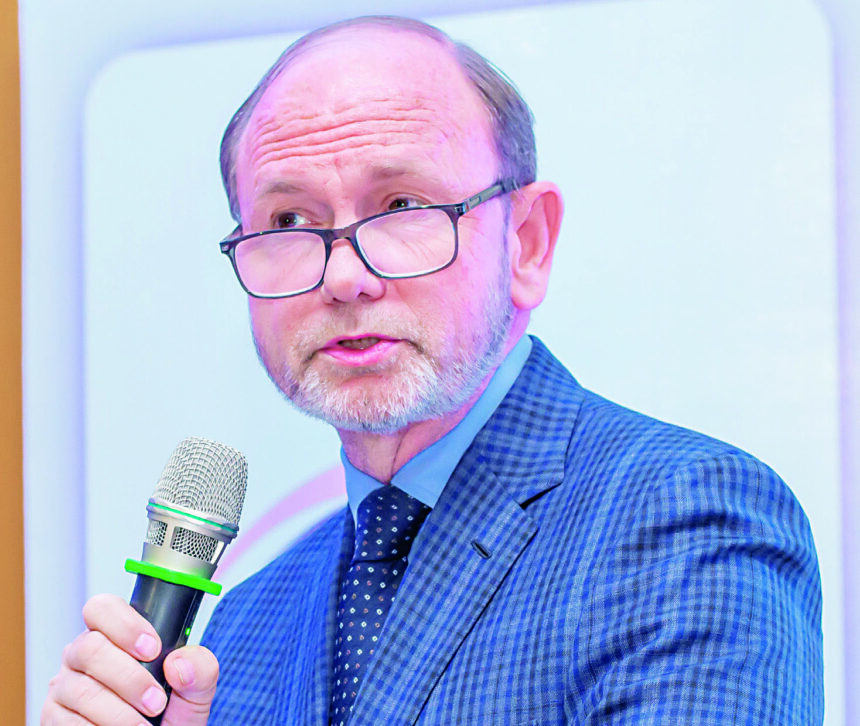
World Bank Country Manager for Malawi Firas Raad said the request follows a fiduciary review of transactions between April 2021 and March 2022 under the $489 million Social Support for Resilient Livelihoods Project, which runs from 2020 to 2027.
The review sought to confirm that funds were used correctly and in line with project guidelines.
He said the checks showed that some expenses could not be backed by supporting documents across all 28 district councils.
- Advertisement -
“The review identified that a portion of project administration expenses lacked adequate supporting documentation across all 28 districts, resulting in their classification as questionable expenditures,” he said.
Following the findings, the bank asked councils to refund about $709,000.
Sixteen councils have made partial repayments. These include Phalombe, Neno, Karonga, Rumphi, M’mbelwa, Mwanza, Salima, Balaka, Nkhata Bay, Mangochi, Nkhotakota, Kasungu and Dowa.
However, a balance of $481,000 remains unpaid.
- Advertisement -
- Advertisement -
Raad said the World Bank considers this amount non-compliant and that it would now request the Ministry of Finance to return the funds by the end of June 2026.
The Malawi National Local Government Finance Committee has confirmed the development.

Its executive director Kondwani Santhe said councils acted on the matter once the issue was raised.
He added that the issue was escalated to the Treasury, where the Secretary to the Treasury committed that government would settle the balances on behalf of the councils.
“Some district councils already refunded the money and, of course, some councils missed the deadlines. They will be deducting the funds from the affected councils’ allocations,” he said.
Civil society has described the development as troubling. Centre for Social Accountability and Transparency Executive Director Willy Kambwandira said the demand for a refund exposed long-standing governance failures in local authorities.
“When over K1.2 billion in administrative expenditures cannot be justified, it signals not just poor record keeping but deeper structural weaknesses in internal controls, procurement discipline and ethical conduct,” he said.
He warned that Malawi’s reliance on donor financing made such cases damaging to the country’s reputation.
“The councils involved must account for the funds and there is also a need for strict financial compliance measures and disciplinary action where misconduct is confirmed,” Kambwandira said.
Meanwhile, the World Bank has said it will continue supporting social protection programmes but says it wants stronger controls.
Raad said new measures would be applied to all councils under the project and to resources from the Social Protection Multi donor Trust Fund linked to the Social Support for Resilient Livelihoods Project, which runs until December 2027.