By Cathy Maulidi
The Parliamentary Committee on Health has bemoaned an increase in mental health illness cases in the country.
The committee attributes the rise to alcohol and drugs abuse and poverty.
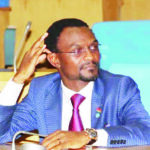
Chairperson of the committee, Mathews Ngwale, said this in Parliament when he presented a report on mental health situation in the country.
According to Ngwale, during their inquiry, the committee found that between 22 percent and 30 percent of people accessing health services have a mental health condition such as depression.
- Advertisement -
“Despite the increasing statistics of people with mental health problems, only few access treatment,” Ngwale said.
He said the committee also noted that there is an increase in addiction problems such as of alcohol, drugs and gambling, which he said are contributing to mental health problems.
“The committee was informed that triggers of mental health problems include easy access to alcohol and drugs, increased incidences of gender based violence, soaring forms of abuse and ongoing mental health challenges among special population, poverty, impact of Covid-19 and other life stressors,” Ngwale said.
Despite that these challenges are widespread, the committee observed that mental health services in Malawi remain mostly centralized and concentrated in cities and urban areas. The committee also bemoaned that other health conditions are often prioritized over mental health which is hindering access to mental health services.
- Advertisement -
- Advertisement -
“The committee further observed that there is inadequate mental health professionals in the country, a thing that has left many people with mental health illnesses being treated by general health care workers and most of these health workers do not have enough capacity to handle mental health problems,” he said.
At the moment, Malawi has only one state-owned psychiatric hospital following closure of Bwaila Unit in 2017.
In addition, there is no dedicated budget line for mental health and wellness services in the Ministry of Health’s budget.
Furthermore, the country is currently using an old legislation, specifically, the mental health Act of 1948 in providing mental health services.
Ngwale has since appealed to government to address these challenges.
The World Health Organization defines mental health as a “state of mental well-being that enables people to cope with the stresses of life, realize their abilities, learn well and work well, and contribute to their community.”
“Mental health is a basic human right. And it is crucial to personal, community and socio[1]economic development,” says WHO.