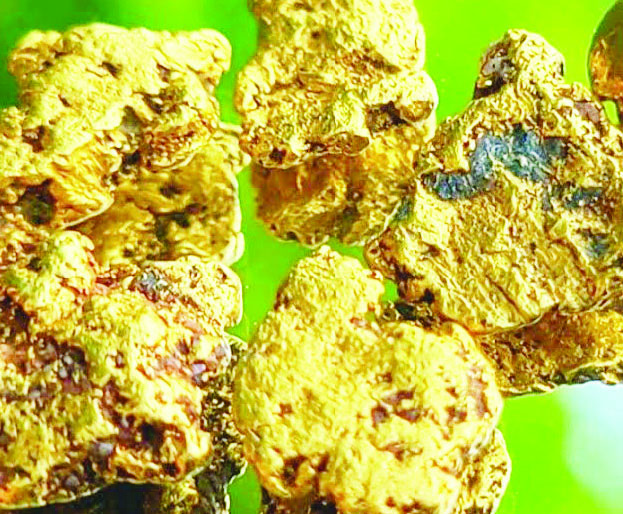
President Lazarus Chakwera has reiterated that the gold that Reserve Bank of Malawi (RBM) has procured will not be sold but purified and used as reserves.
Chakwera said this when he took time to respond to questions posed by Members of Parliament yesterday particularly question five from Zomba Central Legislature Silvester Awali.
Awali’s question was why the government is not selling the gold it already has to boost foreign exchange reserves and if the gold will be sold in raw form or processed.
He further wanted to know where the processing will take place and how government will ensure the country is not duped if it decides to process it.
Chakwera said the decision to have a structured market for gold in Malawi followed confirmation of the existence of gold deposits in the country which were being illegally externalized with no export proceeds declaration.
- Advertisement -
He said recognizing that gold is a national treasure as well as the need to sanitize the sector and capture new sources of foreign exchange generation, the government took a strategic move to operate the structured market for gold.
“You may wish to know that since the start of the project RBM has purchased a total of 187 Kilograms of gold at a total cost of K19.2 billion with a total value of K22.1 billion. The gold is currently being held within RBM and undergoing further refining process and casting into gold bars to be part of the official reserves.
“You may also wish to know that the gold will not be sold until we have accumulated substantial stocks and international gold prices improved beyond the current levels. This should not be a cause of concern however since the advantage with gold is that when it is held by the bank it still forms part of the official reserves thereby improving the foreign exchange position of a country.
“I wish to clarify that the gold will be purified to 99.99 percent grade and be held by the RBM as gold bullion. I am pleased to update the house that the process of purification already commenced. RBM is now at a stage where the gold will be purified to the said grade at the end of the first quarter of 2024. This process is being done locally with a local gold refining company located at Kamuzu International Airport,” Chakwera said.
- Advertisement -
- Advertisement -
Mining expert Grain Malunga concurred with Chakwera saying the artisanal and small-scale miners producing gold cannot produce enough to consider selling.
“What we are getting is alluvial gold found by these small-scale miners. It is out of poverty that they are mining this gold. In as far as keeping the gold that is the right decision because a country can keep gold bar the same as foreign currency. The more gold bars you have, the richer the country,” Malunga said.
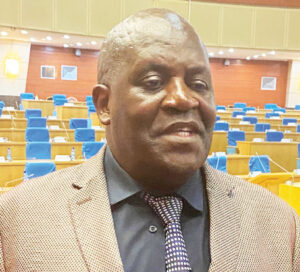
In an earlier interview, Natural Resources and Climate Change Committee Chairperson Welani Chilenga said the decision is welcome as it is standard practice in the whole world.
“It is a good idea because it’s a common practice worldwide for Central banks to keep gold to demonstrate their worth. Also, even if that gold was sold the monetary value is very small to change anything on the ground,” Chilenga said.
According to goldprice.org, on Wednesday, the price of the commodity reached $65,102.85 (about K130.2 million) per kg.